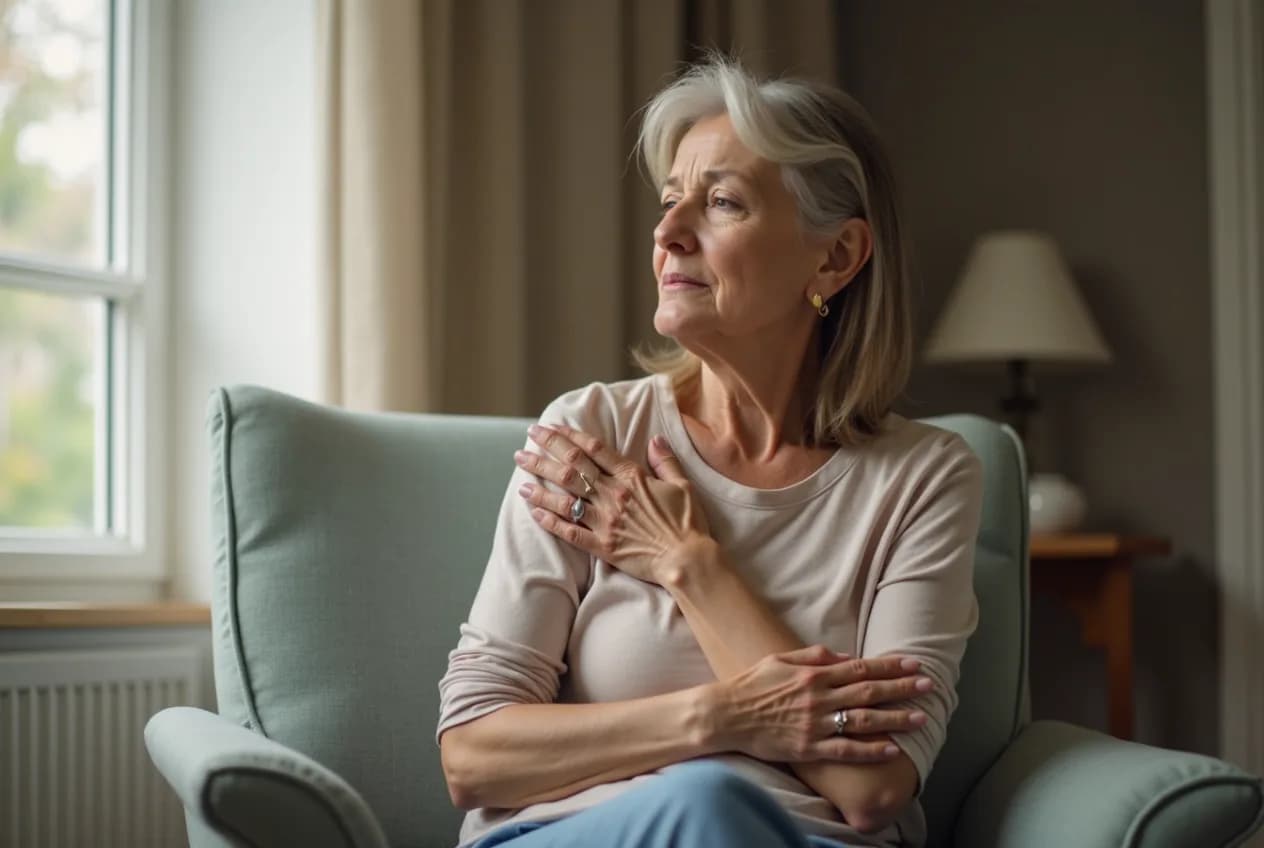
Heart disease is the leading cause of death in women, yet it is still widely under-recognised. One reason: heart attack symptoms in women can look different from the dramatic, chest-clutching scene most of us picture. Chest pain or pressure is still the most common symptom for everyone, but women are more likely to also have subtler "atypical" symptoms that get brushed off, by the women experiencing them and sometimes by clinicians too.
The most important rule first
If you or someone near you may be having a heart attack, call emergency services (911 in the US) right away. Do not wait to "see if it passes," do not lie down and hope, and do not drive yourself to the hospital. Minutes matter for heart muscle. Emergency dispatchers can give instructions, and an ambulance can begin treatment on the way. It is always better to be checked and sent home than to wait too long.
Classic vs. commonly-missed-in-women symptoms
Both men and women can have any of these symptoms. The difference is one of likelihood: women more often report the "atypical" signs in the right-hand column, sometimes without obvious chest pain at all.
| "Classic" heart attack symptoms | Often missed or dismissed in women |
|---|---|
| Chest pain, pressure, tightness or squeezing in the centre or left chest | Pain or discomfort in the jaw, neck, back, shoulder or arm(s) |
| Pain spreading down the left arm | Shortness of breath with or without chest discomfort |
| Sudden, severe, crushing chest pain | Nausea, vomiting or indigestion-like discomfort |
| Collapsing or clutching the chest | Breaking out in a cold sweat |
| Obvious distress | Lightheadedness or feeling faint |
| — | Unusual or extreme fatigue, sometimes for days beforehand |
Because these signs can be vague, women may put them down to stress, anxiety, the flu, acid reflux or simply being run down. That delay is dangerous. Trust your instincts. If something feels seriously wrong, and especially if symptoms come on with exertion or do not ease with rest, treat it as an emergency.
Why women's heart disease is under-recognised
For decades, heart disease was studied mainly in men, and the "textbook" heart attack was built around the male experience. Several things follow from that:
- Women's subtler symptoms are more likely to be attributed to non-cardiac causes by patients and, at times, by health professionals.
- Women are sometimes diagnosed and treated later than men, and may be less likely to receive certain investigations or treatments promptly.
- Some risk factors raise heart-attack risk especially steeply in women. Type 2 diabetes tends to erode women's natural cardiovascular advantage, and smoking is particularly harmful; high blood pressure or diabetes during pregnancy also adds long-term risk.
None of this means women should panic. It means women, and the people who care for them, should take cardiac symptoms seriously and speak up. If you feel your concerns are being dismissed, it is reasonable to ask directly: "Could this be my heart?"
What happens when you are assessed
Knowing what to expect can make it easier to seek help quickly. In an emergency assessment, a clinician will usually take your history and check your pulse and blood pressure, record an ECG (a quick, painless heart tracing), and order a blood test for troponin, a protein released when heart muscle is injured. These tests are sometimes repeated over a few hours because results can evolve. None of this is something to fear; it is how a heart attack is confirmed or safely ruled out, and going early gives you the best chance of fast, effective treatment.
Warning signs of heart disease over time
Heart disease is not only sudden heart attacks. It often builds quietly over years. Patterns worth discussing with a clinician include:
- Chest discomfort, pressure or breathlessness brought on by exertion (walking uphill, stairs, hurrying) that eases with rest, sometimes called angina.
- Getting breathless more easily than you used to, or waking breathless at night.
- Swelling in the ankles, feet or legs.
- Reduced ability to do activity you once managed comfortably.
These are reasons to book a non-emergency appointment, not to wait. Risk also rises with high cholesterol, raised triglycerides, high blood pressure, smoking, diabetes and a strong family history. Knowing your numbers matters, but remember that healthy ranges and treatment targets are individualised; they depend on your overall risk, so use general reference ranges as a guide and review your own with a clinician.
The menopause connection
A woman's risk of heart disease rises around and after menopause. As estrogen levels fall, blood pressure and "bad" LDL cholesterol tend to climb and the balance shifts in ways that are less heart-protective. This is one reason midlife is such an important window for prevention, and why it is worth reviewing your heart risk alongside any menopause treatment decisions.
An important caveat: menopausal hormone therapy (HRT) is not recommended specifically to prevent heart disease. It may be appropriate for managing menopause symptoms in some women, but the decision, including timing and individual risks, belongs with your clinician. Separately, many women notice heart palpitations around menopause; these fluttering or pounding sensations are usually benign, but new, frequent, or palpitations with chest pain, fainting or severe breathlessness should be checked promptly.
What actually lowers your risk
The most powerful tools are everyday ones, and they are first-line:
- Don't smoke, and avoid second-hand smoke.
- Eat a Mediterranean-style, mostly plant-forward diet rich in vegetables, fruit, legumes, whole grains, fish and olive oil.
- Move regularly; even modest activity helps (see the science-backed benefits of exercise).
- Keep blood pressure, cholesterol and blood sugar in a healthy range, with medication if your clinician advises it.
- Limit alcohol and excess salt, and aim for a weight that is healthy for you.
Lifestyle is genuinely powerful, but it is not always a substitute for needed medication. Statins and blood-pressure drugs are clinician decisions, and target numbers depend on your overall risk profile, not a single one-size-fits-all figure.
When to see a clinician
Call emergency services (911) immediately if you or someone else has chest pain or pressure; pain spreading to the arm, jaw, neck or back; shortness of breath; a cold sweat; nausea; lightheadedness; or sudden, severe fatigue, especially if several occur together or come on with exertion. Do not wait and do not drive yourself.
Book a non-emergency appointment if you notice breathlessness or chest discomfort on exertion, ankle swelling, new palpitations, or declining exercise tolerance, or if you want to review your risk factors and numbers. If you feel a cardiac concern is being brushed off, ask plainly whether your heart could be the cause, and seek a second opinion if needed. This article is general information, not a substitute for personal medical advice.