In short: Heart health refers to how well your heart and blood vessels work to circulate blood, oxygen, and nutrients throughout your body. Good cardiovascular health means healthy blood pressure, cholesterol, blood sugar, and weight, plus habits like regular movement and not smoking. For women, heart risk rises notably after menopause as estrogen declines.
Heart disease is the leading cause of death in women, yet it's often thought of as a men's problem, which means women's symptoms and risks are easy to overlook. Your risk changes across your life, and one of the biggest shifts happens around menopause: as estrogen levels fall, blood pressure and LDL ("bad") cholesterol tend to rise, body fat can redistribute toward the abdomen, and blood vessels lose some flexibility. Understanding these changes early gives you real leverage to protect your heart for the decades ahead.
This hub gathers evidence-based, plain-English guides to help you make sense of your numbers and your choices. You'll find explanations of key risk factors like blood pressure, cholesterol, and blood sugar, how heart symptoms can look different in women (sometimes fatigue, jaw or back pain, or shortness of breath rather than classic chest pain), and practical, food-and-movement approaches that support cardiovascular health at midlife. We also cover how menopause and hormone changes fit into the bigger picture. Nothing here replaces personalized medical care, but it can help you ask sharper questions and partner more confidently with your own clinician.
Frequently asked questions
What are the signs of heart problems in women?
Women can have classic chest pressure, but they're more likely than men to have subtler symptoms: unusual fatigue, shortness of breath, pain in the jaw, neck, back, or arm, nausea, cold sweats, or lightheadedness. These signs are easy to dismiss. If you have sudden, severe, or unexplained symptoms, call 911, because heart attacks in women are often missed or delayed.
Does menopause increase heart disease risk?
Yes. Estrogen helps keep blood vessels flexible and supports healthy cholesterol, so as levels decline around menopause, women often see rising blood pressure, higher LDL cholesterol, more belly fat, and stiffer arteries. This is why cardiovascular risk climbs notably after menopause. Tracking your numbers and heart-healthy habits during this transition can meaningfully lower your long-term risk.
What are the best ways to keep your heart healthy?
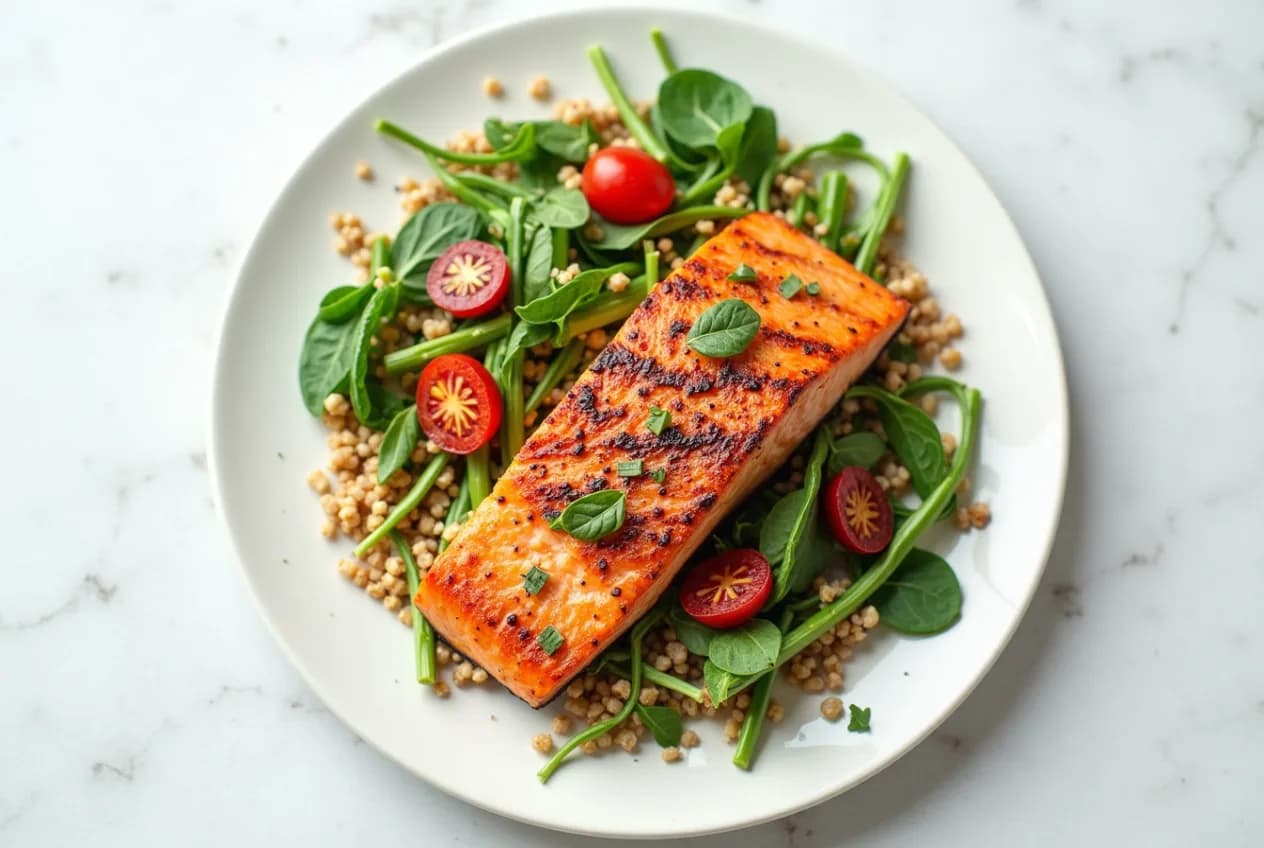
The core steps are consistent: move regularly (aim for most days), eat a diet rich in vegetables, fruit, whole grains, legumes, and healthy fats, limit added sugar, sodium, and ultra-processed foods, don't smoke, keep alcohol modest, prioritize sleep, and manage stress. Just as important, know your blood pressure, cholesterol, and blood sugar numbers and review them with your clinician.
What blood pressure and cholesterol numbers should women aim for?
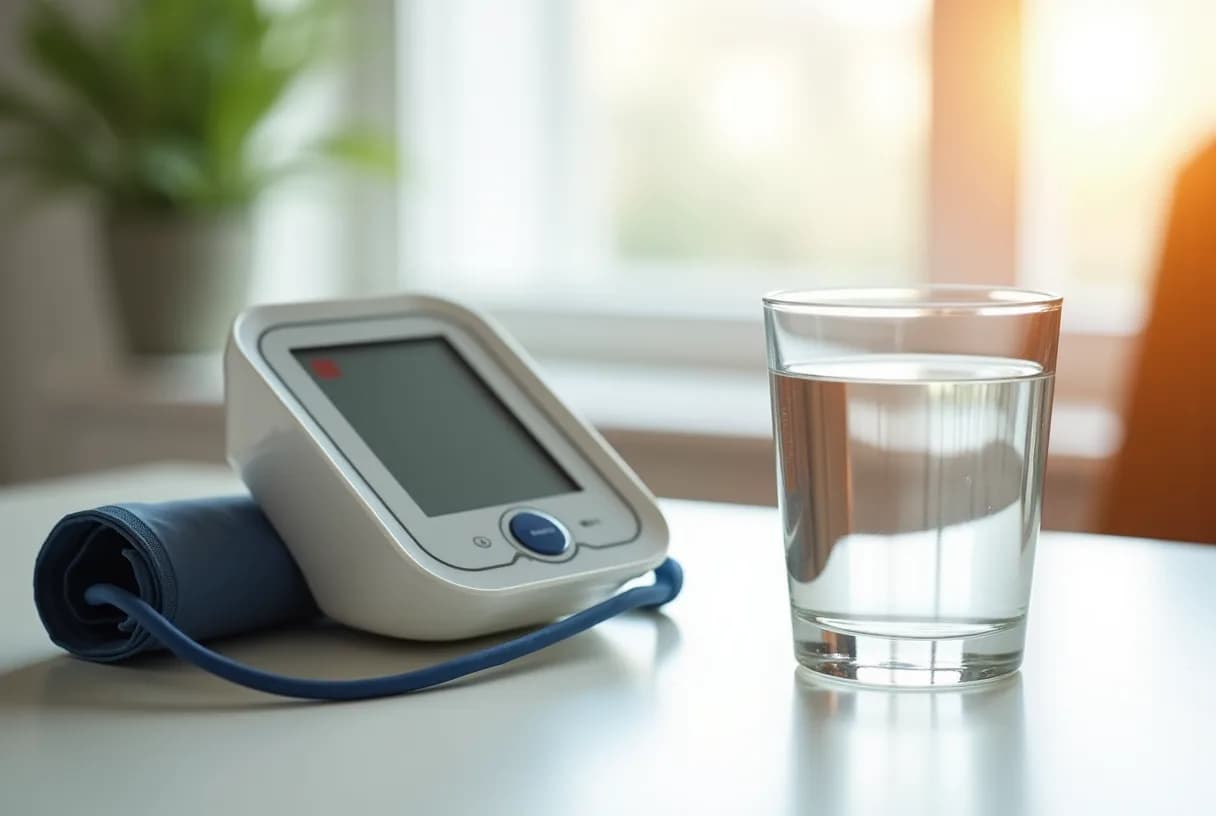
Targets are individual, but generally normal blood pressure is below 120/80 mmHg, and readings of 130/80 or higher are considered high. For cholesterol, lower LDL and higher HDL are usually better. Your ideal targets depend on your overall risk, age, and health history, so ask your clinician what numbers are right for you and how often to recheck them.
Can heart disease in women be prevented or reversed?
Much of cardiovascular risk is preventable, and many risk factors, like high blood pressure, high cholesterol, and elevated blood sugar, can be improved with lifestyle changes and, when needed, medication. Some existing artery damage may be slowed or partly improved, but results vary by individual. Earlier action generally works better, so it's worth discussing prevention with your clinician well before problems appear.