High cholesterol is one of the most common and most overlooked risk factors for heart disease in women. It rarely causes symptoms, it often worsens quietly after menopause, and the only way to know your numbers is to get tested.
What cholesterol actually is
Cholesterol is a waxy, fat-like substance your body needs to build cells, make hormones, and produce vitamin D. Your liver makes all the cholesterol you need; the rest comes from food. The problem is not cholesterol itself but having too much of the wrong kind circulating in your blood. Because cholesterol does not dissolve in blood, it travels in packages called lipoproteins, and the balance between those packages is what shapes your risk.
The key players: LDL, HDL, and triglycerides
A standard cholesterol blood test (a "lipid panel") usually reports four numbers. Here is what each one means, with general reference ranges offered as guidance, not a prescription. Your personal targets depend on your overall risk and are set with a clinician.
| Measure | What it is | General guidance (mg/dL) |
|---|---|---|
| LDL cholesterol ("bad") | Carries cholesterol into artery walls, where it can build into plaque | Lower is generally better; under ~100 is often considered optimal |
| HDL cholesterol ("good") | Helps carry cholesterol away from arteries back to the liver | Higher is protective; ~50 or above is a common goal for women |
| Triglycerides | A type of fat in the blood, tied to diet, weight, and metabolism | Under ~150 is generally desirable |
| Total cholesterol | A combined snapshot of the above | Under ~200 is often used as a general benchmark |
These ranges are a starting point for conversation, not a verdict. A "borderline" number in a low-risk woman may need only lifestyle attention, while the same number in someone with diabetes or existing heart disease may call for more. Treatment is guided by your whole risk picture, not a single value.
Why high cholesterol matters
Over years, excess LDL cholesterol can lodge in the walls of your arteries and combine with other substances to form plaque, a process called atherosclerosis. Plaque narrows and stiffens arteries and can rupture, triggering the clots that cause most heart attacks and strokes. High cholesterol works alongside other risk factors such as high blood pressure, smoking, and type 2 diabetes to raise overall cardiovascular risk. Heart disease is the leading cause of death in women, yet it remains under-recognized, which is part of why managing cholesterol deserves attention.
The menopause angle: why cholesterol often worsens at midlife
Cholesterol in women is shaped by hormones. Before menopause, estrogen helps keep LDL lower and HDL higher, offering some natural protection. As estrogen falls during the menopause transition, that advantage fades: many women see LDL and total cholesterol climb, triglycerides rise, and HDL function change. This shift is one reason cardiovascular risk accelerates after menopause, a theme we explore in menopause and heart health. If you are in perimenopause or past it, this is a natural moment to check your numbers.
An important caveat: while the menopause-cholesterol link is real, hormone therapy is not recommended as a way to prevent heart disease. Decisions about estrogen and hormone therapy are individualized and made for other reasons, with their own timing considerations, benefits, and risks.
High cholesterol usually has no symptoms
Here is the catch that makes cholesterol so easy to ignore: it is almost always silent. You cannot feel high LDL, and there are no reliable warning signs until a problem like a heart attack or stroke appears. That is why testing is the only way to know. Many guidelines suggest starting cholesterol checks in early adulthood and repeating them periodically, with more frequent testing as you get older or if you have other risk factors. Menopause is a sensible checkpoint to review your lipid panel with a clinician.
How high cholesterol is managed
Management almost always begins with lifestyle, which is powerful and first-line, then adds medication when a clinician judges that your risk warrants it.
Lifestyle first
The everyday habits that improve cholesterol also protect your heart broadly:
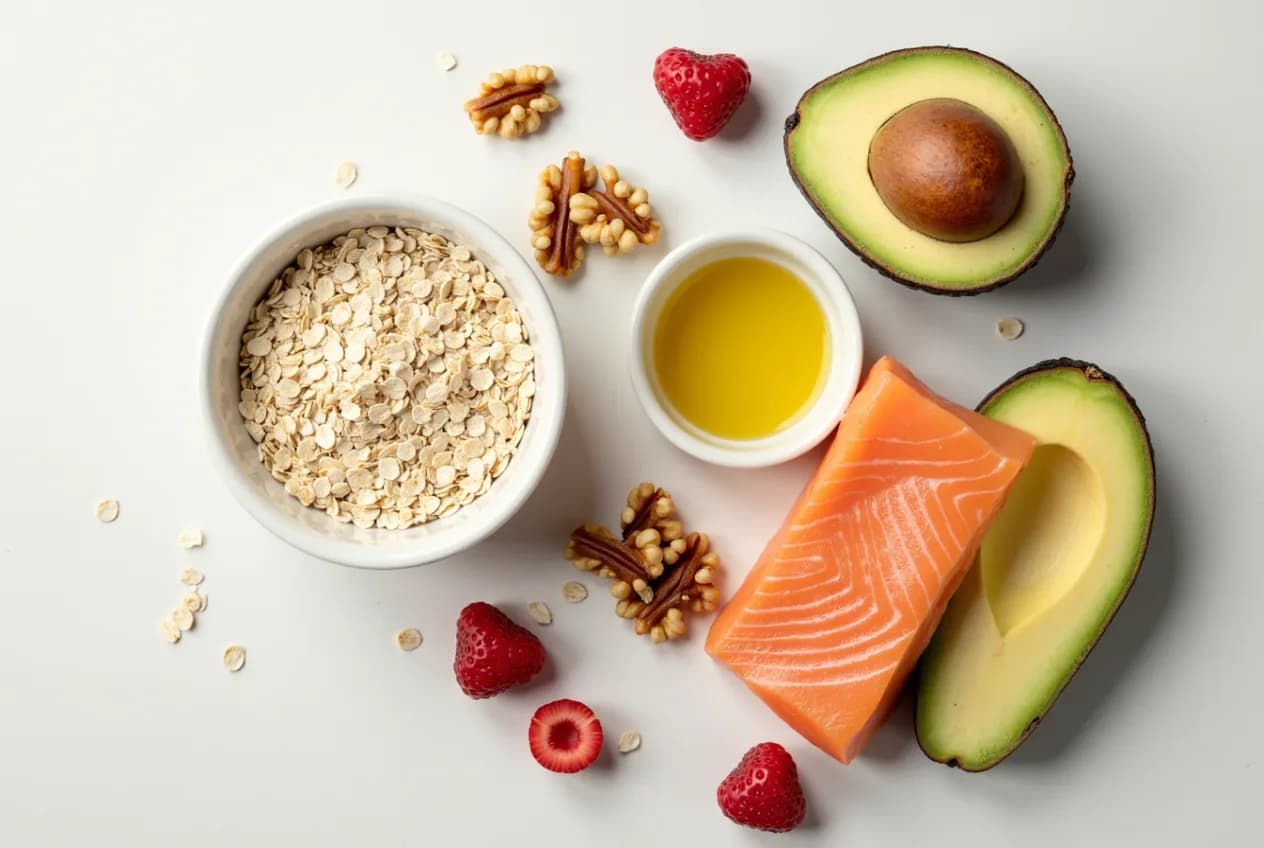
- Eat a heart-healthy pattern. A heart-healthy diet rich in vegetables, fruit, whole grains, legumes, nuts, fish, and olive oil — a Mediterranean-style approach — can meaningfully improve your numbers.
- Move regularly. Routine physical activity raises HDL and lowers triglycerides; see the science-backed benefits of exercise.
- Reach and keep a healthy weight, which especially helps triglycerides.
- Don't smoke, and limit alcohol.
For a step-by-step plan, see how to lower cholesterol. Lifestyle is genuinely effective, but it is not always a substitute for medication when your risk is high.
When medication is considered
Statins are the best-studied cholesterol medicines and are often recommended when LDL stays high or overall heart-disease risk is elevated. Other options, including ezetimibe and newer injectable drugs, may be added in some situations. Whether you need medication — and which one — is an individualized clinical decision based on your numbers, age, and other risk factors. This article describes these options; it does not prescribe them or give doses. That conversation belongs with your clinician.
Know the warning signs of a heart problem
High cholesterol is silent, but a heart attack is an emergency. Crucially, women's heart-attack symptoms are more often subtle or "atypical" than the classic clutched-chest picture, and are easily dismissed. Learn the full picture in heart disease symptoms in women.
| "Classic" symptoms | Symptoms more often seen or under-recognized in women |
|---|---|
| Crushing chest pain or pressure | Jaw, neck, back, or upper-arm pain |
| Pain spreading down the left arm | Unusual or sudden severe fatigue |
| Cold sweat, shortness of breath | Nausea, lightheadedness, or breathlessness without chest pain |
When to see a clinician
Call emergency services (911) immediately — do not wait and do not drive yourself — if you have chest pain or pressure, pain spreading to the arm, jaw, neck, or back, shortness of breath, a cold sweat, nausea, or sudden severe fatigue. These can signal a heart attack, and in women they can be quiet or easily mistaken for something minor.
For routine care, ask a clinician to check your cholesterol and talk through what your numbers mean for you, especially around menopause or if heart disease runs in your family. Bring up your full risk picture, including blood pressure and blood sugar. Together you can decide whether lifestyle changes alone are enough or whether medication makes sense. Cholesterol targets and treatment are individualized — your clinician is the right person to set them with you.
Related: Wondering whether your numbers are actually high for your stage of life? Compare them against the Cholesterol Levels by Age: Charts for Women and Men reference charts.
Related: If your numbers are creeping up, one of the first places to look is your plate — see which High-Cholesterol Foods: What to Limit and What to Eat to help bring your levels back into range.