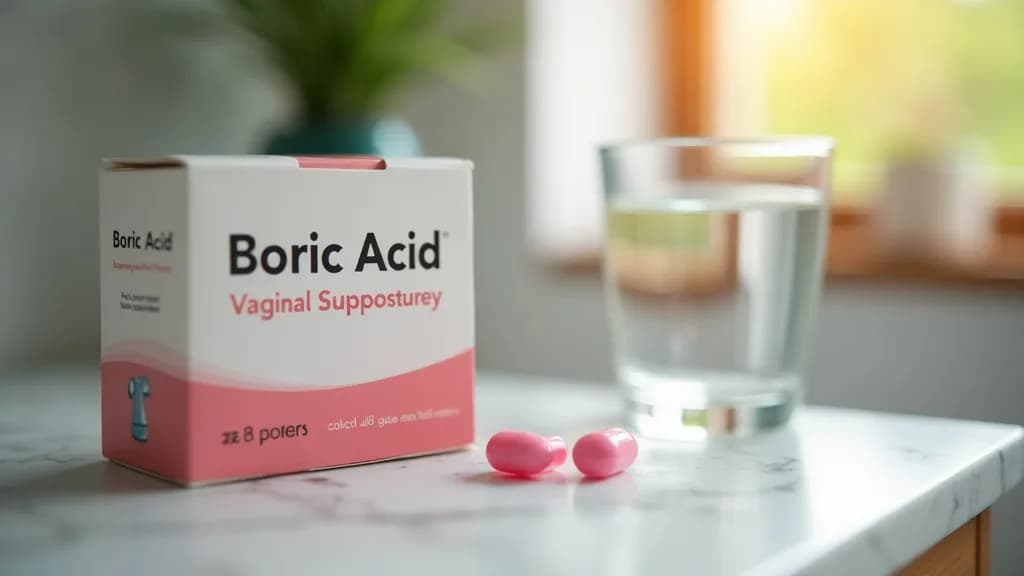
Your vagina is a remarkably self-regulating organ, and most of what feels "off" is common, explainable, and treatable — not something to be embarrassed about. A healthy vagina keeps itself clean through natural discharge, maintains a slightly acidic pH, and hosts a protective community of good bacteria (mostly Lactobacillus) that guards against infection. What counts as normal isn't one fixed state: discharge, moisture, and sensation change with your cycle, birth control, arousal, pregnancy, and age. In perimenopause and menopause, lower estrogen thins and dries vaginal tissue — a very common cluster of changes doctors call the genitourinary syndrome of menopause (GSM) — which can bring dryness, itching, urinary symptoms, or discomfort during sex.
This hub gathers clear, non-judgemental, evidence-based guides to help you tell ordinary variation from something worth checking. We cover everyday care that actually helps (and the "cleaning" habits that backfire, like douching), how to read discharge and odor, dryness and painful sex, common infections such as yeast and bacterial vaginosis, and the treatment options — including vaginal moisturisers and prescription low-dose vaginal estrogen — worth discussing with a clinician. New, persistent, or worrying symptoms deserve a professional opinion, and we flag when to seek one.