In short: Bone health refers to how strong and dense your bones are and how well they resist fracture. Bone is living tissue that constantly renews itself, but around menopause, falling estrogen speeds bone loss. Strong bones depend on adequate calcium, vitamin D, weight-bearing exercise, and, when needed, medication guided by a clinician.
If you have just been told your bones are "thinning," or you are simply wondering what menopause means for your skeleton, you are in the right place. Bone can feel permanent, but it is living tissue that your body constantly breaks down and rebuilds. For most of your adult years those two processes stay roughly in balance. In the years around menopause, though, dropping estrogen tips the scale toward loss — which is why bone health becomes a bigger conversation in midlife, often well before you notice any symptoms at all.
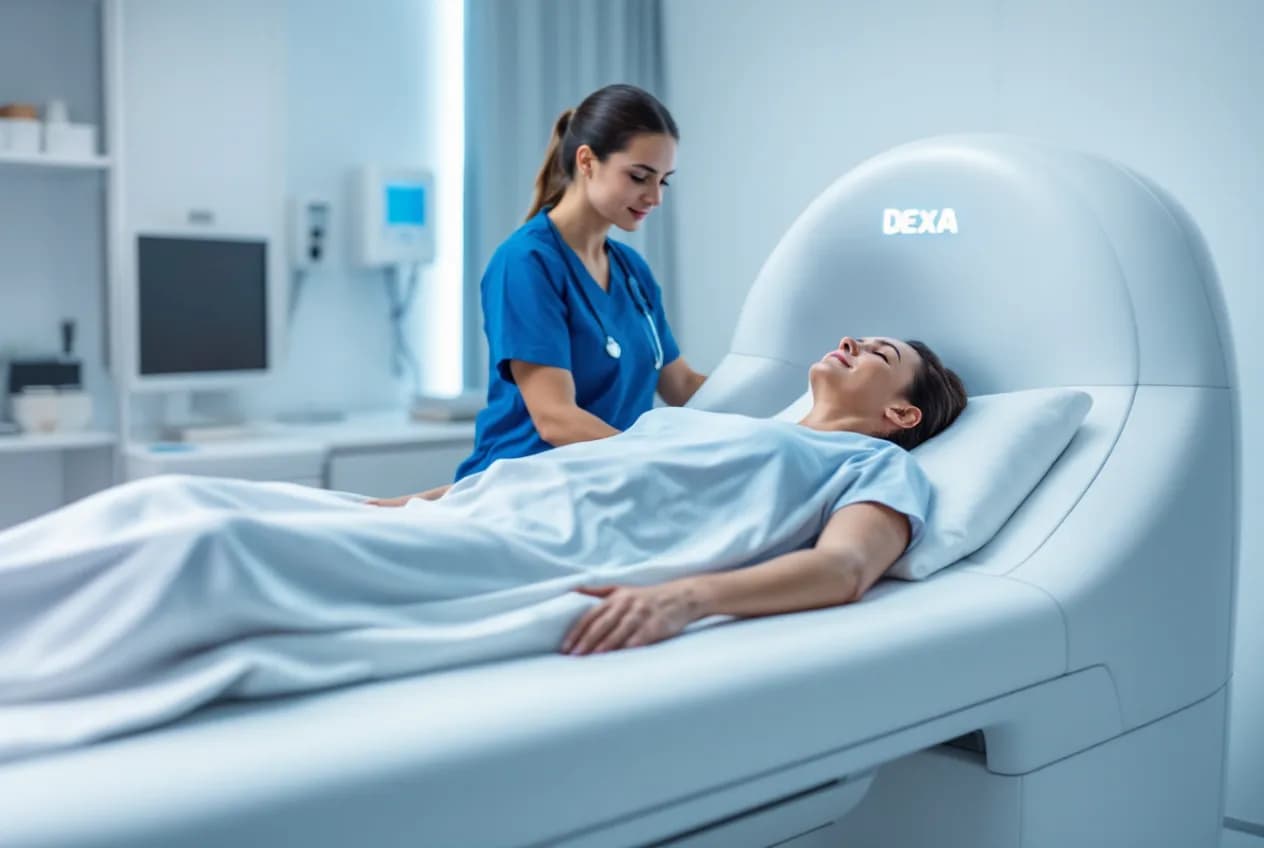
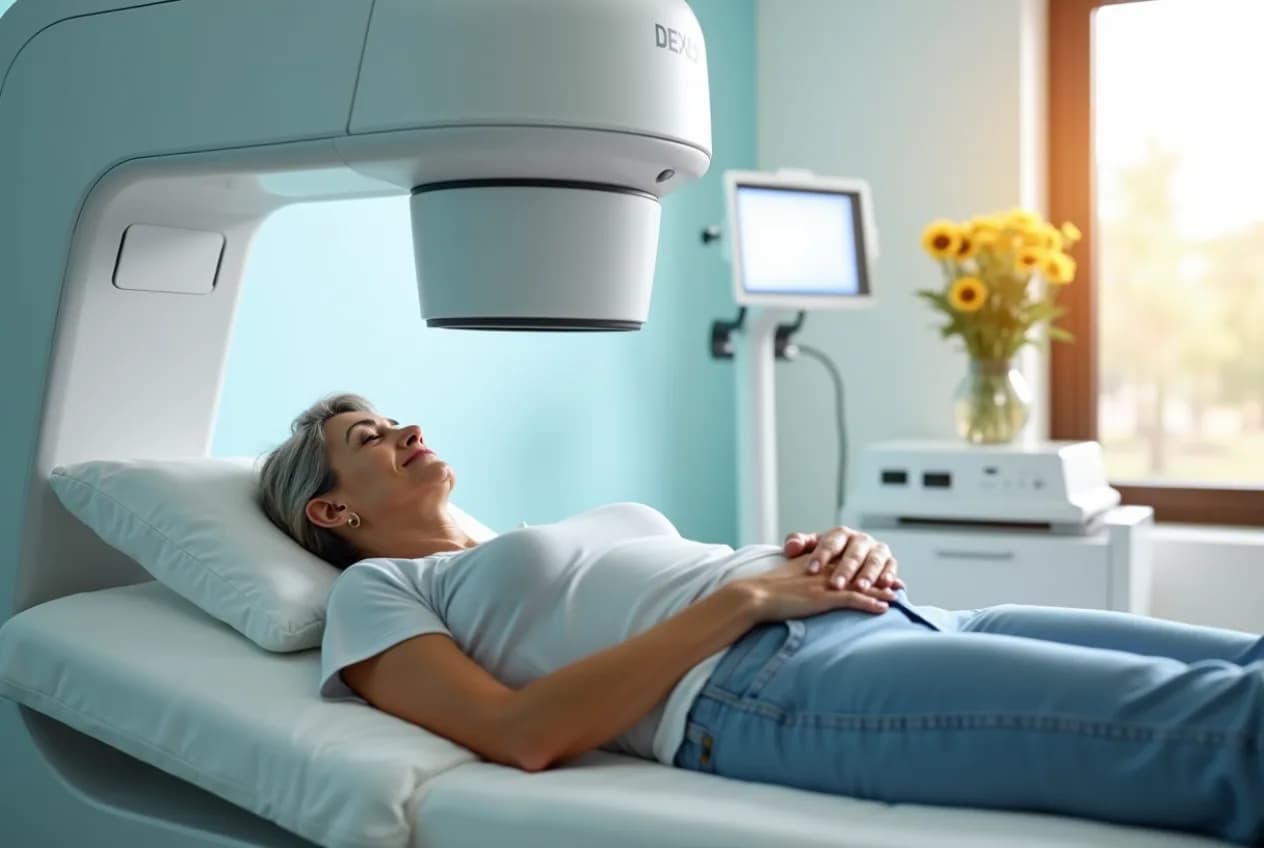
The reassuring part is that bone loss is measurable, and much of it is something you can act on. This hub walks you through the full picture: what a DEXA scan measures and how to read your T-score, the difference between osteopenia and osteoporosis, and the everyday levers that matter most, from calcium and vitamin D to weight-bearing and resistance exercise. We also cover when medication is worth discussing and what the main options involve. None of this replaces a conversation with your own clinician — especially if you have already had a fracture or a family history of osteoporosis — but it will help you walk into that appointment knowing which questions to ask.
Frequently asked questions
What is the difference between osteopenia and osteoporosis?
Both describe lower-than-ideal bone density, but osteoporosis is more advanced. On a DEXA scan, osteopenia usually means a T-score between -1.0 and -2.5, while osteoporosis is -2.5 or lower and carries a higher fracture risk. Osteopenia is a signal to protect your bones early; osteoporosis often prompts a clinician to discuss treatment.
At what age should women get a bone density (DEXA) scan?
Most guidelines recommend a baseline DEXA scan for women at age 65, or earlier if you have added risk factors — early menopause, a previous fragility fracture, long-term steroid use, low body weight, smoking, or a parent who broke a hip. Because risk rises after menopause, ask your clinician whether an earlier scan makes sense for your situation.
Does menopause cause bone loss?
Yes. Estrogen helps protect bone, so when levels fall around menopause, bone breakdown outpaces rebuilding. Women can lose a meaningful share of bone density in the first several years after their final period, which is why this window matters. The loss is often silent, so screening and prevention — not symptoms — are what flag the risk.
How much calcium and vitamin D do women need for bone health?
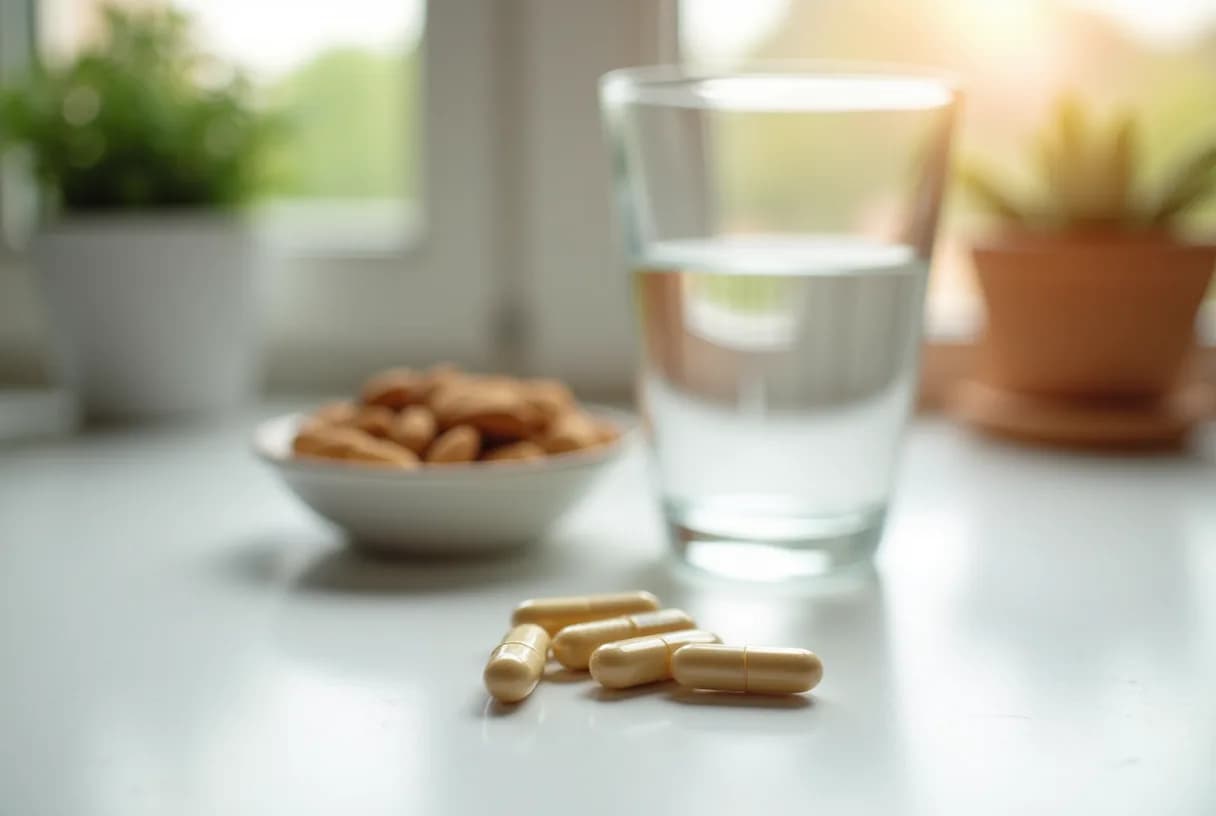
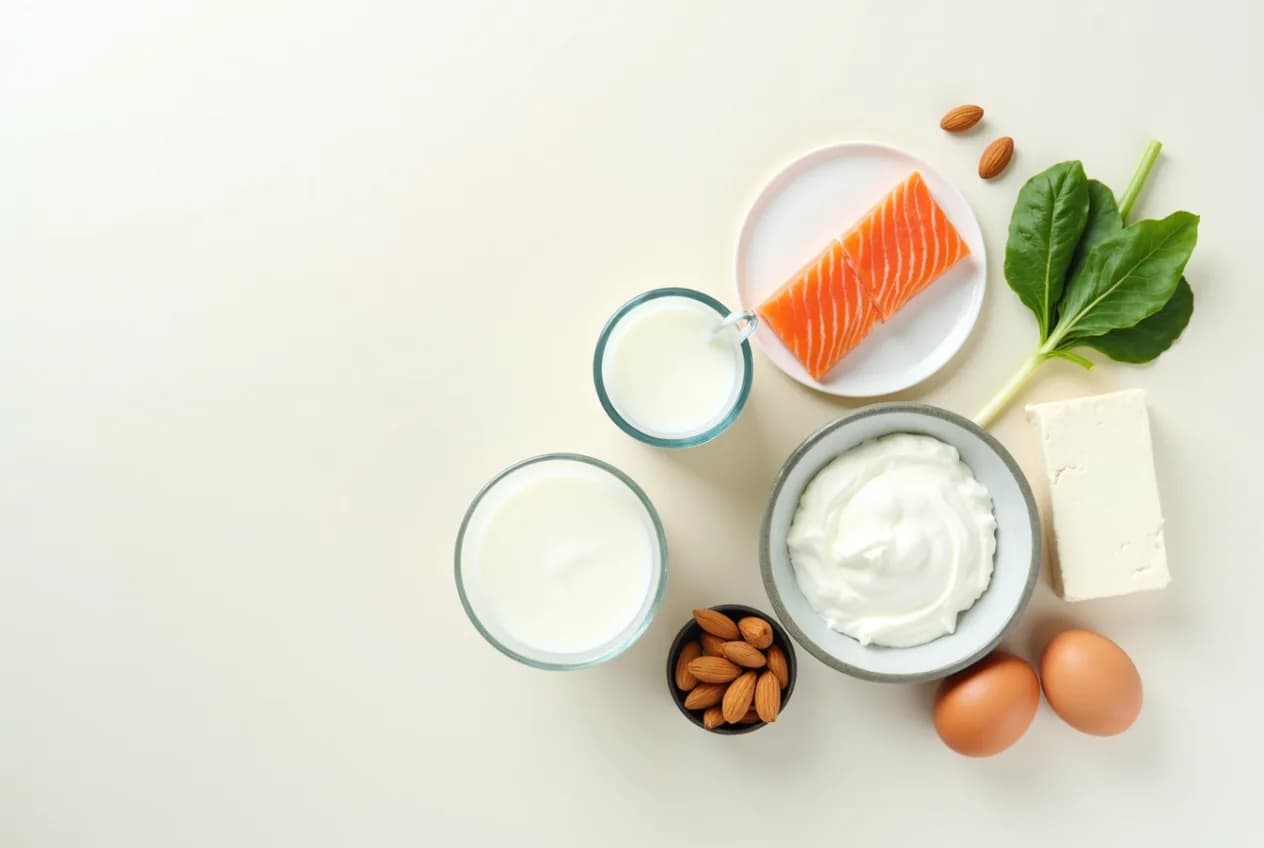
General guidance for women over 50 is roughly 1,200 mg of calcium and 800–1,000 IU of vitamin D daily, ideally from food and sunlight first, with supplements filling gaps. More is not always better, and needs vary. Ask your clinician before adding high-dose supplements, especially if you have kidney issues or take other medications.
Can you rebuild bone density or reverse osteoporosis naturally?
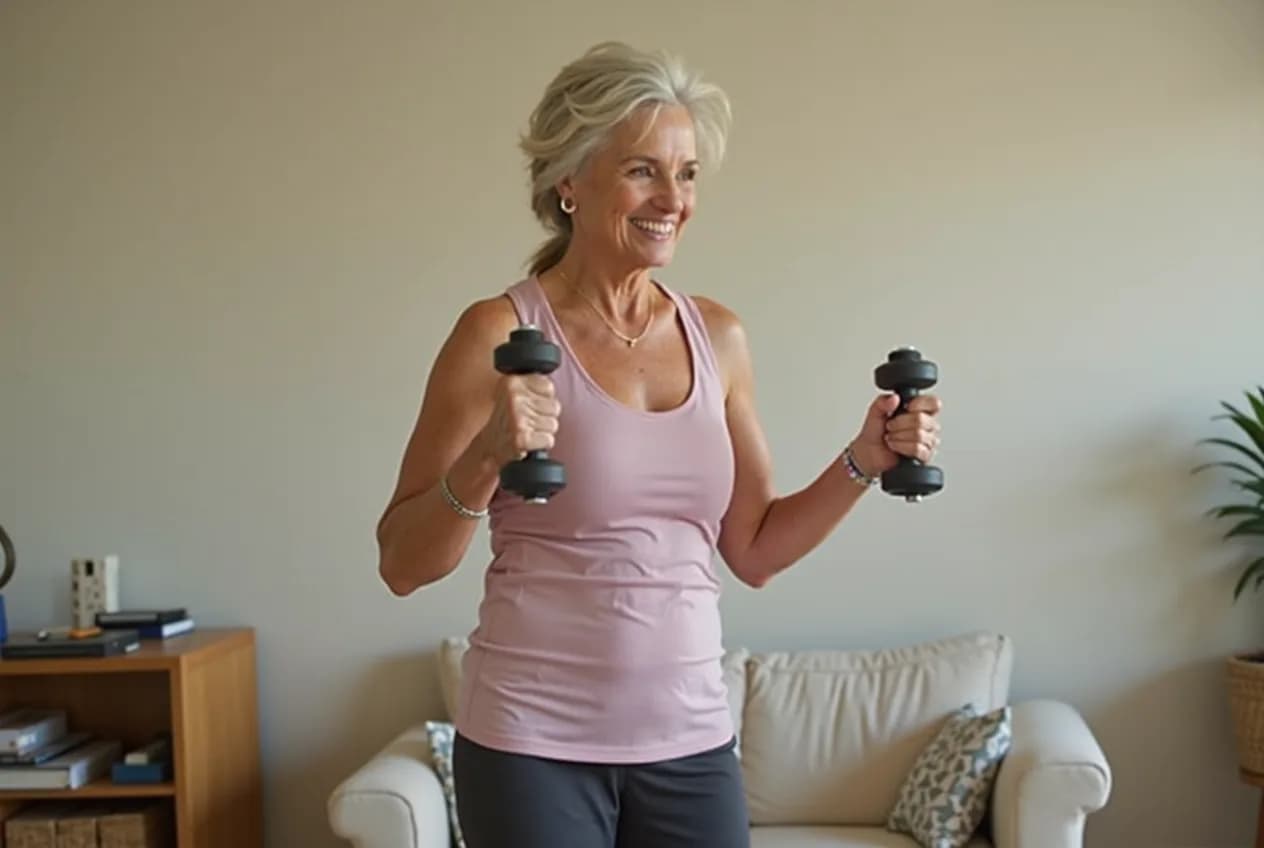
Lifestyle steps — weight-bearing and resistance exercise, enough calcium, vitamin D, and protein, plus not smoking — can slow loss and modestly strengthen bone, but they rarely fully reverse established osteoporosis on their own. When fracture risk is high, prescription medications can rebuild density more effectively. A clinician can help you weigh which combination fits your bone health and overall picture.