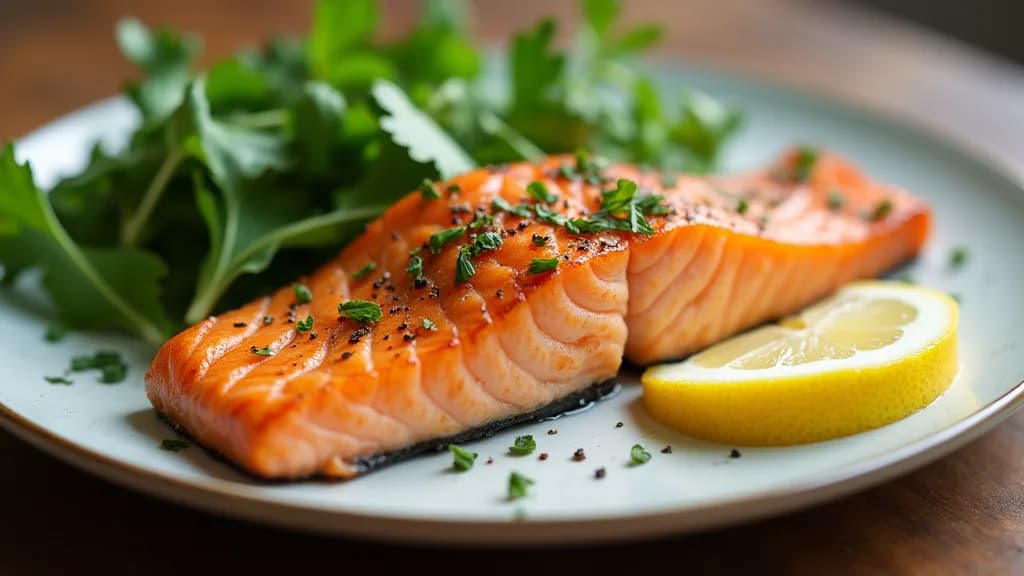
In short: Nutrition and diet is how the food, drinks, and supplements you choose supply the nutrients your body needs to function and stay well. For women in midlife, it means eating patterns that support shifting hormones, bone and heart health, muscle, and steady energy, rather than any single restrictive diet.
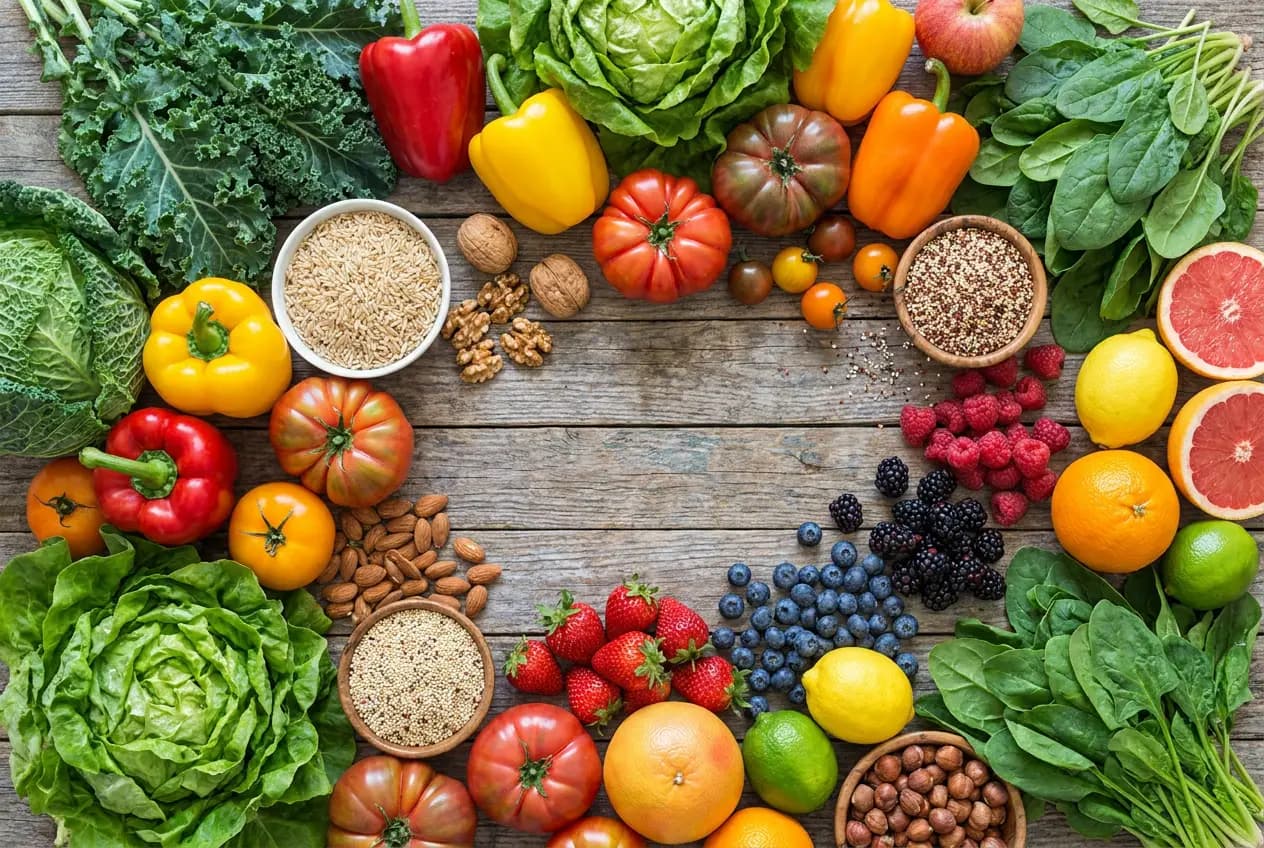
If you have noticed that the way you ate in your 30s no longer feels quite right, you are not imagining it. As estrogen shifts through perimenopause and menopause, your body handles blood sugar, fat storage, muscle, and bone differently, and what you eat becomes one of the most useful levers you have. This hub is a plain-English guide to eating well through midlife, without fad rules or guilt. We focus on patterns backed by research, like getting enough protein to protect muscle, prioritizing calcium and vitamin D for bone health, and leaning on the fiber, produce, and healthy fats of a Mediterranean-style plate.
Here you will find practical guidance on everyday questions: how much protein you actually need, which supplements are worth considering (and which are hype), how soy and phytoestrogens fit in, and how to eat for steadier energy and a healthier heart. We aim to be honest about what the evidence does and does not show. Nutrition needs are personal, and conditions like diabetes, kidney disease, or medication interactions change the picture, so treat this as a starting point and check with your own clinician or a registered dietitian before making big changes.
Frequently asked questions
What should women eat during perimenopause and menopause?
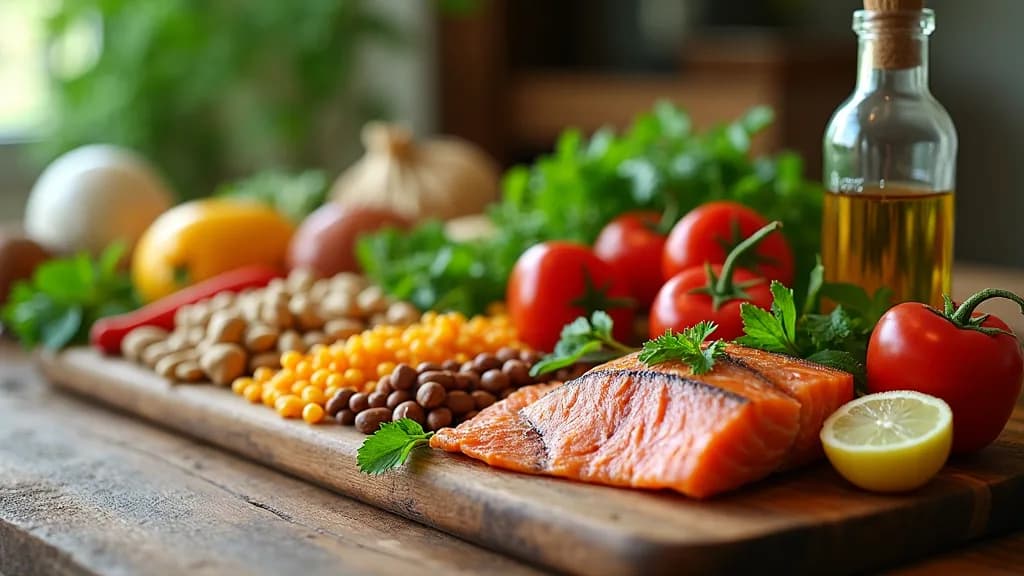
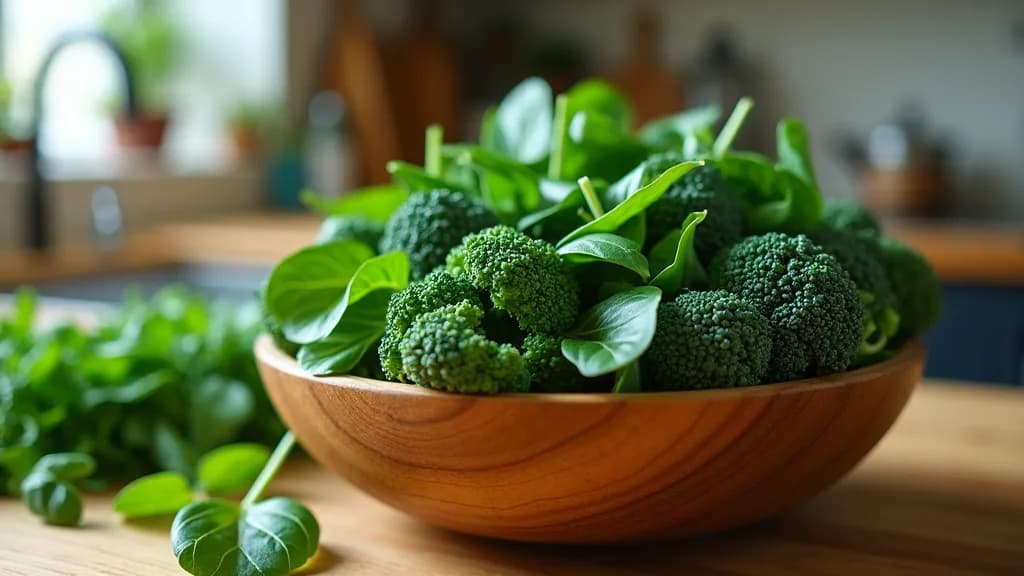
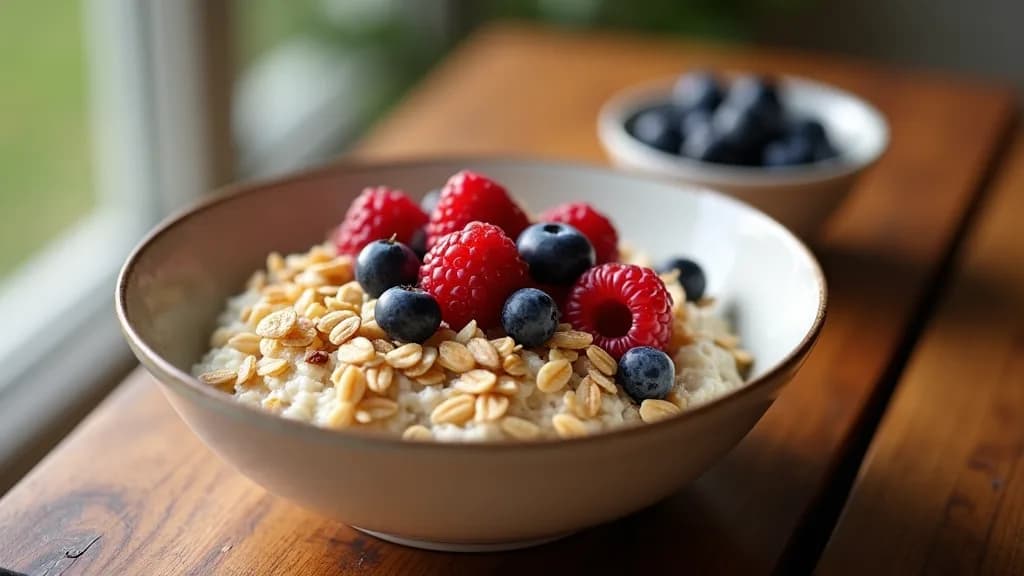
Aim for a protein-rich, plant-forward pattern. Most experts suggest spreading adequate protein across meals to protect muscle, plus calcium- and vitamin-D-rich foods for bones, and plenty of fiber, vegetables, whole grains, and healthy fats like those in a Mediterranean-style diet. Limit ultra-processed foods, added sugar, and heavy alcohol. Individual needs vary, so a dietitian can personalize this.
How much protein do women over 40 need?
Many researchers now suggest women in midlife benefit from more than the old baseline of 0.8 grams per kilogram of body weight, often closer to 1.0 to 1.2 grams, to help preserve muscle as estrogen declines. Spreading protein across meals matters too. If you have kidney disease or other conditions, ask your clinician before increasing intake, since needs differ.
Do I need supplements, or can I get everything from food?
Food first is the general rule, but a few gaps are common in midlife. Vitamin D and calcium often need attention for bone health, and vitamin B12 absorption can decline with age. Whole-food diets rarely need a shelf of pills. Blood tests can reveal true deficiencies, so talk with your clinician before starting supplements, as some interact with medications or cause harm in excess.
Are soy and phytoestrogens safe during menopause?
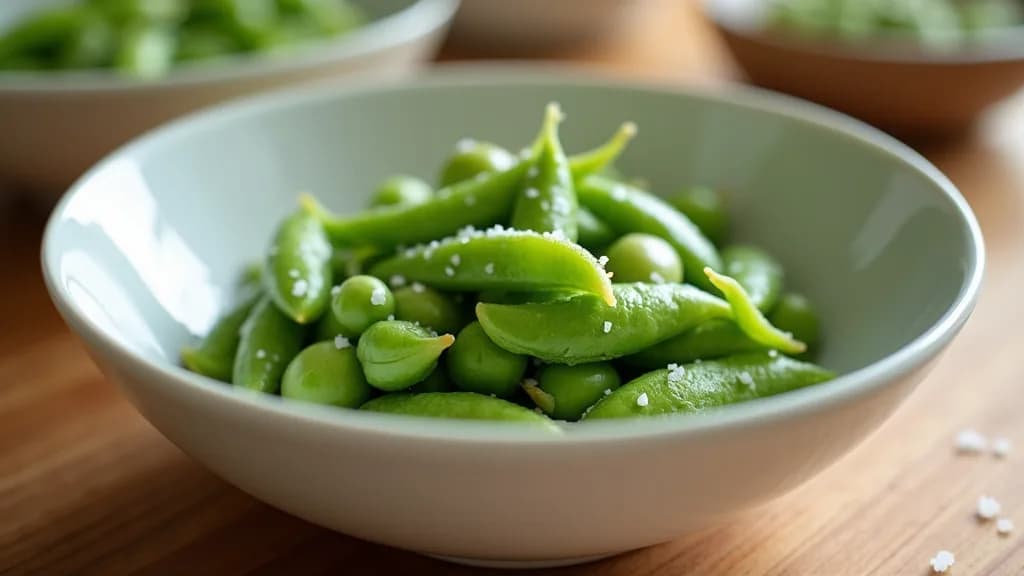
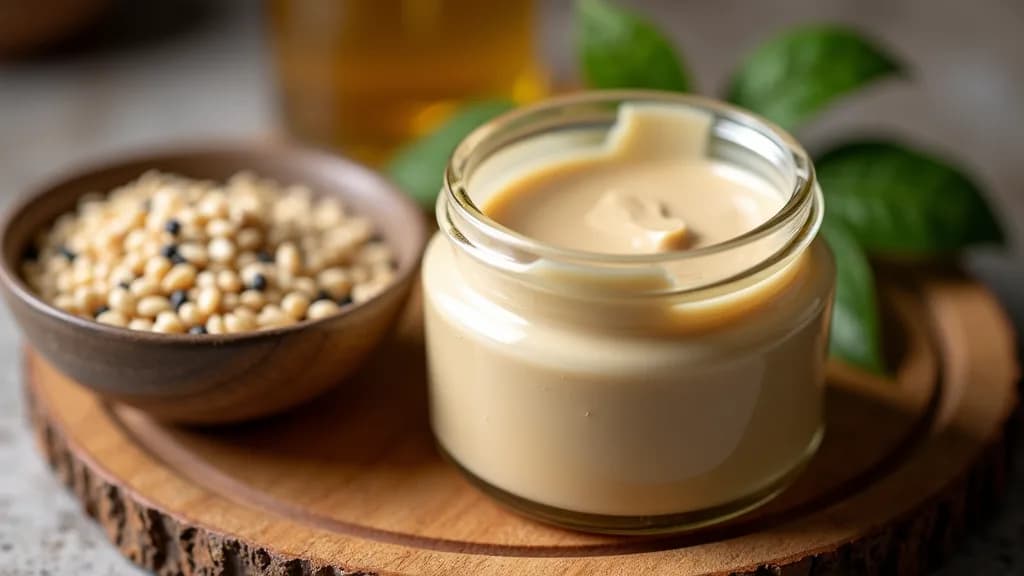
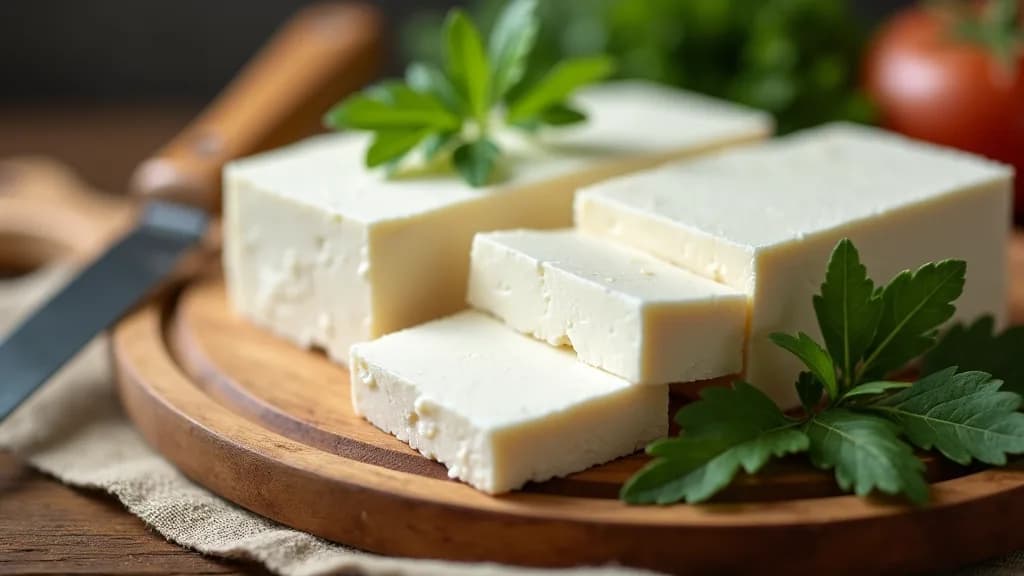
For most women, moderate soy from whole foods like tofu, edamame, and soy milk is considered safe and may modestly ease some symptoms. Phytoestrogens are plant compounds that weakly mimic estrogen; dietary amounts differ greatly from high-dose supplements. If you have a history of hormone-sensitive breast cancer or are on related treatment, discuss soy and phytoestrogen supplements with your oncologist first.
What is the best diet to protect the heart and bones after menopause?
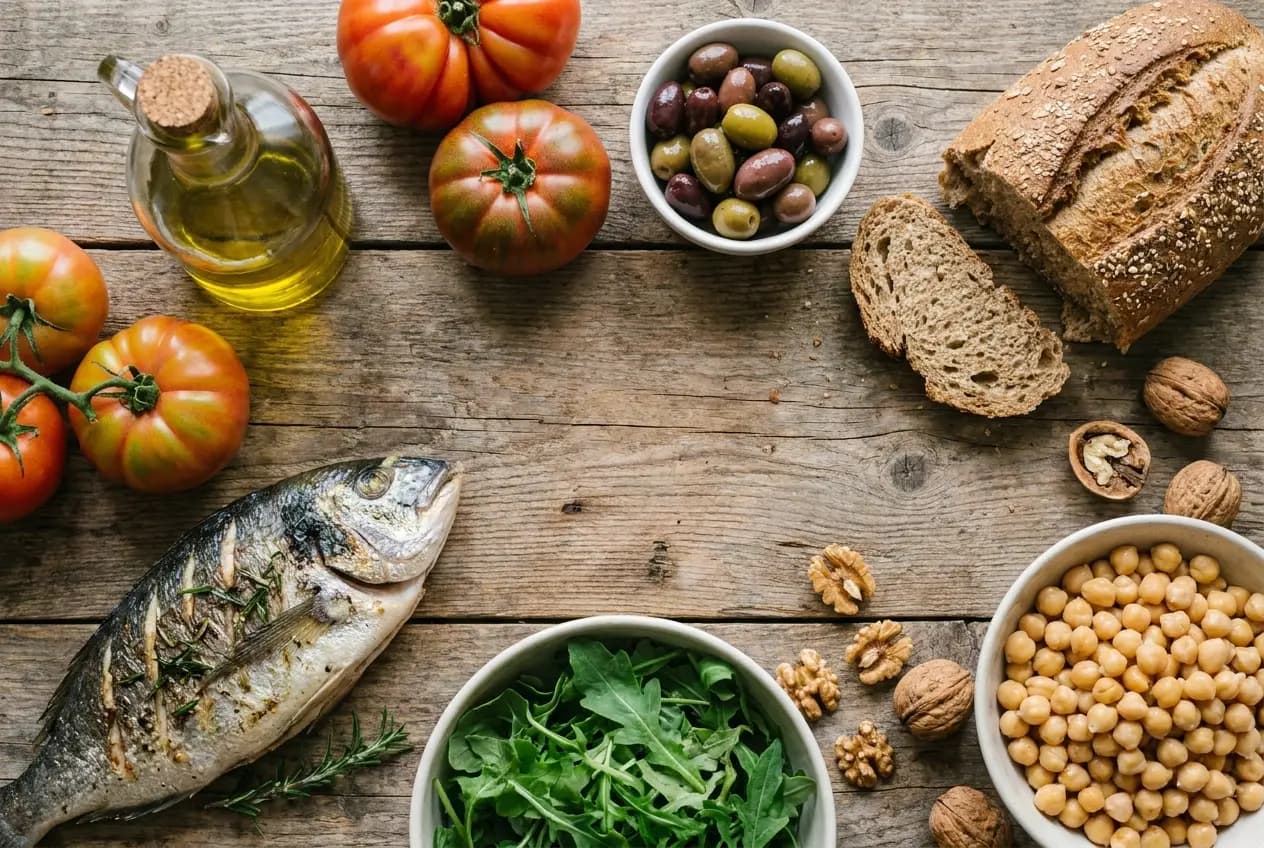
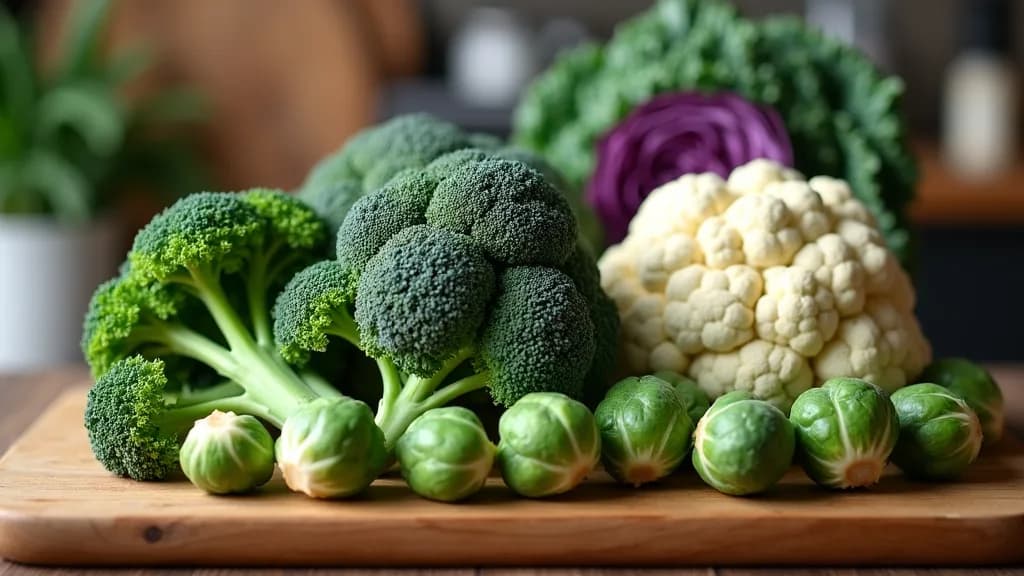
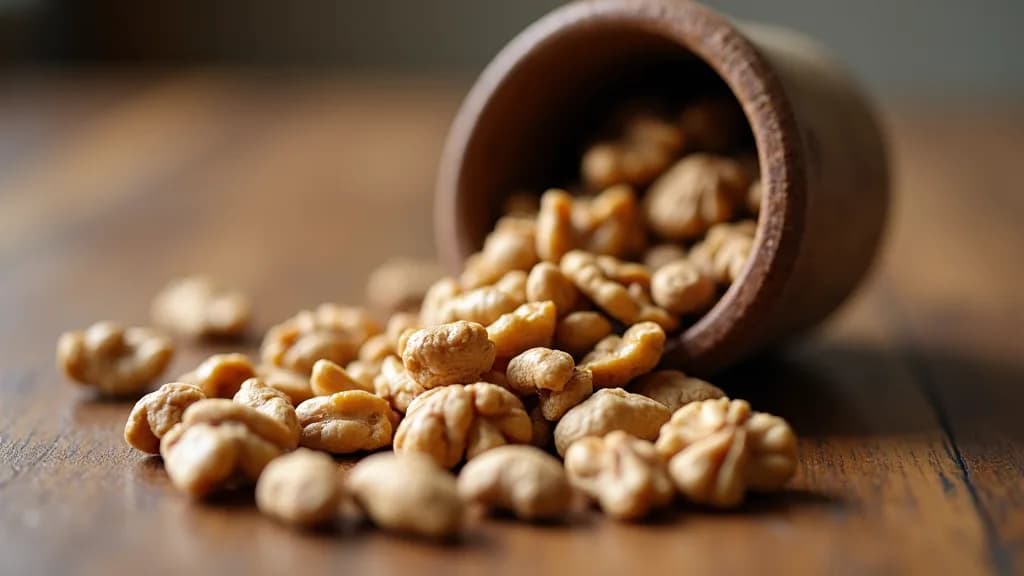
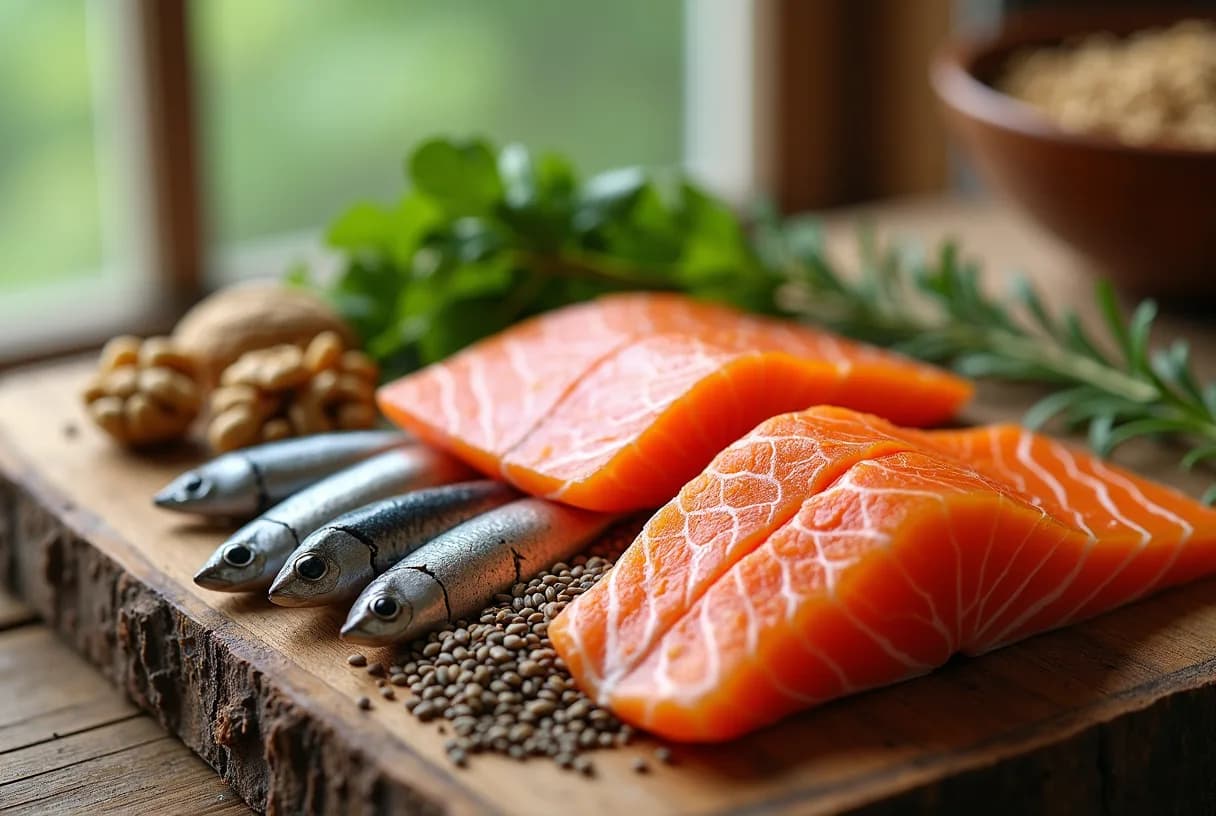
A Mediterranean-style pattern has the strongest evidence for heart health: emphasize vegetables, fruit, whole grains, legumes, fish, nuts, and olive oil, while limiting red and processed meat and added sugar. For bones, ensure enough calcium, vitamin D, protein, and weight-bearing movement. No single food replaces overall pattern and lifestyle. Your clinician can factor in cholesterol, blood pressure, and bone-density results.
Can changing my diet help with menopause weight gain?
Diet can help, though midlife weight shifts are driven by hormones, muscle loss, and aging metabolism, not willpower alone. Prioritizing protein, fiber, and whole foods while reducing ultra-processed items and alcohol supports steadier appetite and muscle. Pair this with strength training and sleep. Crash diets often backfire by losing muscle. If weight changes are sudden or severe, see a clinician to rule out thyroid or other causes.