Dark leafy greens are among the most nutrient-dense foods on the planet: for almost no calories, a serving of spinach, kale, chard, or collards delivers vitamin K, folate, calcium, magnesium, potassium, iron, and a spread of antioxidants. For women moving through their 40s, 50s, and beyond, that combination lines up neatly with the body's changing needs, supporting bones, blood, heart, and brain. Aiming for a serving most days is one of the simplest, highest-value nutrition habits in midlife.
What counts as a leafy green?
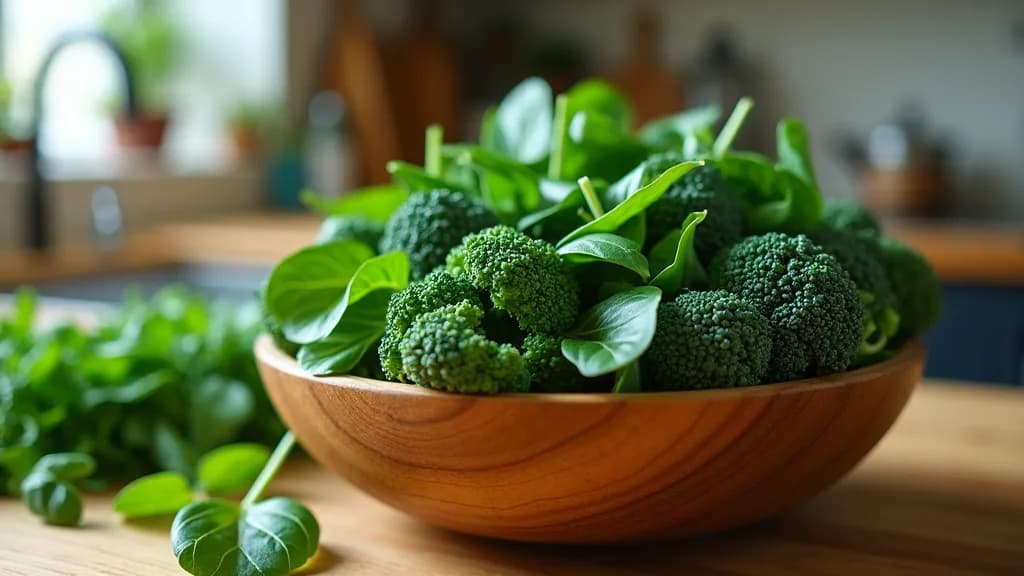
The category is broad and worth mixing up. Spinach is tender, mild, and folate-rich. Kale is sturdier and exceptionally high in vitamin K and vitamin C. Swiss chard brings magnesium and potassium. Collard and turnip greens are calcium standouts with the bonus of low oxalate content. Arugula, romaine, watercress, beet greens, and bok choy all belong here too. Because each leaf leans toward different nutrients, rotating varieties gives you broader coverage than eating any single green every day.
Nutrition at a glance
The figures below are widely cited approximate values for common greens; exact numbers vary by variety, growing conditions, and whether the greens are raw or cooked. Cooking wilts greens down dramatically, so a cup of cooked spinach packs far more nutrition than a cup of raw leaves. For precise, searchable data, the USDA's FoodData Central is the reference to trust.
| Nutrient | Cooked spinach (~1 cup) | Cooked kale (~1 cup) |
|---|---|---|
| Calories | ~40 | ~35 |
| Protein | ~5 g | ~2–3 g |
| Fiber | ~4 g | ~2–3 g |
| Vitamin K | Very high (several times a day's target) | Very high |
| Folate | High | Moderate |
| Vitamin A (as carotenoids) | High | High |
| Vitamin C | Moderate | High |
| Calcium | Moderate (less absorbable) | Moderate (well absorbed) |
| Iron | ~3–6 mg (non-heme) | ~1 mg |
| Magnesium & potassium | Good source | Good source |
Why leafy greens matter in midlife
Bone strength
The years around menopause bring a faster rate of bone loss as estrogen declines, which raises the long-term risk of osteoporosis. Greens contribute on several fronts: vitamin K plays a role in bone metabolism, and calcium and magnesium are structural minerals for the skeleton. Importantly, not all plant calcium is equal. Low-oxalate greens like kale, collards, and bok choy provide calcium the body absorbs well, whereas spinach is high in oxalate that binds much of its calcium and blocks absorption. That does not make spinach unhealthy, it just means you should not count on it as a major calcium source. For the bigger picture, see our guides to menopause and bone health and calcium for women over 50.
Blood, iron, and energy
Folate supports the making of red blood cells and healthy cell division, and greens are one of the richest natural sources. Greens also supply non-heme iron, the plant form. Non-heme iron is absorbed less efficiently than the iron in meat, but you can boost uptake by pairing greens with vitamin C, think a squeeze of lemon, tomatoes, or peppers in the same meal. This matters for women who still menstruate or have heavy periods in perimenopause and may run low on iron. After menopause, iron needs drop, so more is not automatically better. If you feel persistently tired, ask your clinician to check your levels rather than guessing.
Heart and brain
Leafy greens are a cornerstone of heart-protective eating patterns. They are naturally low in calories and rich in potassium and fiber, both of which support healthy blood pressure and cholesterol as part of an overall balanced diet. The American Heart Association consistently ranks vegetables, and greens in particular, among the foods most worth eating more of; you can read more at heart.org. Greens are also a signature food of the MIND and Mediterranean-style eating patterns studied for brain and cognitive aging, thanks to their folate, vitamin K, lutein, and other plant compounds. The evidence here points to greens as part of a healthy overall pattern rather than a single magic food.
How to eat more, easily
Most of us know we should eat more greens; the trick is making it effortless. A few reliable tactics:
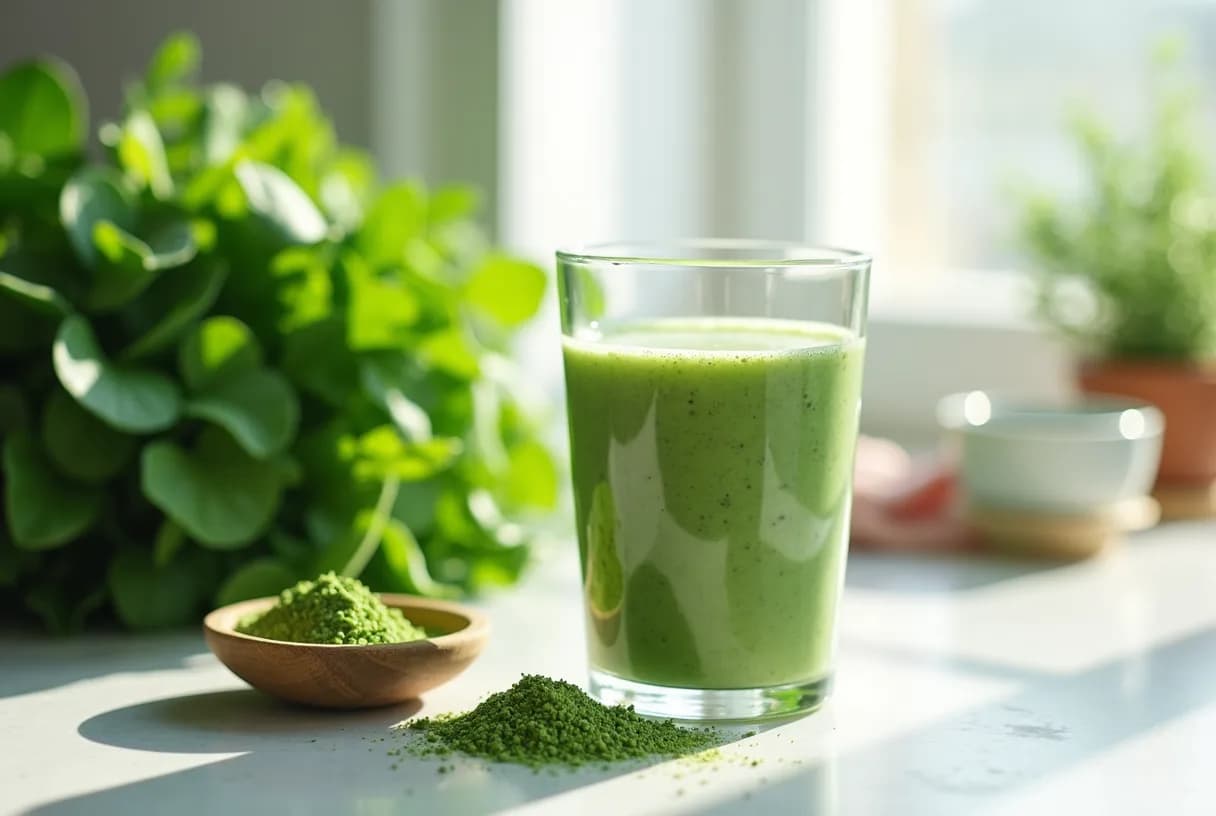
- Blend them. A handful of baby spinach disappears into a fruit smoothie with no change in taste.
- Wilt them in. Stir chopped greens into soups, pasta sauce, scrambled eggs, curries, or a stir-fry in the last few minutes.
- Cook to concentrate. Because greens shrink so much, sauteing a big bunch with garlic and olive oil turns a mountain of leaves into an easy side dish.
- Pair with fat and vitamin C. A little olive oil helps you absorb the fat-soluble vitamins (A and K), and citrus or tomato boosts iron uptake.
- Rotate varieties. Kale one week, chard the next, collards after that, for broader nutrient coverage and less boredom.
Fresh, frozen, and pre-washed all count. Frozen greens are picked and frozen at peak ripeness and are just as nutritious as fresh, often cheaper and quicker.
Honest downsides and cautions
This is food guidance, not medical advice, and a few nuances are worth knowing.
- Oxalates and kidney stones. Spinach, chard, and beet greens are high in oxalate. If you are prone to calcium-oxalate kidney stones, favor lower-oxalate greens like kale, collards, and bok choy, stay well hydrated, and pair greens with a calcium source. See NIDDK for stone-prevention basics.
- Blood thinners. Greens are very high in vitamin K, which affects how warfarin (Coumadin) works. You do not have to avoid greens, but keep your intake consistent from week to week and tell your clinician you eat them, so your dose can be managed. Newer blood thinners are generally not affected, but always confirm with your prescriber.
- Thyroid and goitrogens. Cruciferous greens like kale and collards contain natural compounds that, in very large raw amounts, can theoretically affect thyroid function, mostly a concern with iodine deficiency. Normal food portions, especially cooked, are not a problem for most people. If you have thyroid disease or take thyroid medication, mention your habits to your clinician rather than making drastic changes.
- Digestive comfort. A sudden jump in fiber can cause gas or bloating. Increase gradually and drink enough water.
None of this calls for megadoses or supplements, whole greens in normal servings are the goal. If you have a medical condition or take any medication that interacts with vitamin K, iron, or potassium, check with your clinician or a registered dietitian before making big dietary shifts.
The bottom line
Leafy greens punch far above their calorie count, offering bone-supporting vitamin K and minerals, blood-building folate and iron, and heart- and brain-friendly fiber and antioxidants, exactly the profile that serves women well in midlife. Rotate a few varieties, cook some and eat some raw, pair them with a little fat and vitamin C, and mind the oxalate and blood-thinner notes above. A daily serving is a small habit with an outsized return. For more midlife nutrition foundations, explore our guides to magnesium for women and eating for menopause.