Chia seeds are a concentrated source of soluble fiber, plant-based omega-3 fat (ALA), complete protein, calcium, and magnesium — a lot of nutrition folded into about two tablespoons. For women in midlife, that mix can help with the everyday goals that get harder after 40: steadier blood sugar, more regular digestion, and feeling full between meals. They are a genuinely useful food, but they are a food, not a supplement or a treatment, and a few real cautions apply.
Chia seeds nutrition at a glance
The numbers below are widely-cited approximate values for a standard 1-ounce (about 28 g, or roughly 2 tablespoons) serving of dry chia seeds. Exact figures vary by brand and batch, so treat these as ballpark ranges rather than precise measurements. For a full breakdown you can look up the entry in USDA FoodData Central.
| Nutrient | Approx. amount | Notes |
|---|---|---|
| Calories | ~135–140 | Energy-dense for the volume |
| Protein | ~4–5 g | A complete plant protein — contains all nine essential amino acids |
| Total fat | ~9 g | Mostly the omega-3 ALA (~5 g) |
| Total carbohydrate | ~12 g | Nearly all is fiber |
| Fiber | ~9–10 g | Largely soluble, gel-forming |
| Calcium | ~150–180 mg | Roughly 15–18% of daily needs |
| Magnesium | ~90–95 mg | Supports bone and muscle function |
| Phosphorus & iron | meaningful amounts | Iron is non-heme (less absorbable) |
The standout is fiber: a single serving covers a large share of the roughly 25 grams a day that Harvard's Nutrition Source and most guidelines recommend for women — an intake most people fall short of. The protein is a quiet bonus: unlike most plant foods, chia supplies all nine essential amino acids, though the amount per serving is modest.
Why chia matters for women in midlife
Digestion and gut health
Chia's fiber is mostly soluble. When it meets liquid it forms a gel — that is why chia pudding thickens. This gel adds bulk and softness to stool, which can ease occasional constipation, a complaint that becomes more common with age and with lower activity. Fiber also feeds beneficial gut bacteria. The catch, covered below, is that fiber needs fluid to do this comfortably.
Blood sugar and appetite
Because soluble fiber slows how quickly the stomach empties, chia can blunt the rise in blood sugar after a meal and help you feel full longer. That satiety effect is why chia shows up in weight-management routines. It is worth being honest about the size of the effect: chia is a helpful supporting player, not a metabolic fix. Insulin sensitivity naturally shifts around menopause, and the Menopause Society emphasizes that overall dietary pattern, activity, and sleep matter far more than any single food.
Bone support
Estrogen decline in the years around menopause speeds bone loss, so calcium and magnesium intake earns extra attention. Chia contributes both. It will not replace dairy, fortified plant milks, leafy greens, or — where needed — a supplement your clinician recommends, but it is a useful contributor to your daily total. The NIH Office of Dietary Supplements is a reliable place to check your target calcium intake for your age.
Plant omega-3s (ALA)
Chia is one of the richest plant sources of alpha-linolenic acid (ALA), an omega-3 fat. This is genuinely good, but it comes with a caveat worth understanding: the body converts only a small fraction of ALA into the EPA and DHA forms found in oily fish, which are the ones most studied for heart and brain benefits. So chia is a smart addition to a heart-healthy pattern — the kind the American Heart Association describes — but it is not a like-for-like swap for fish or fish oil.
How to use chia seeds
Chia is nearly flavorless, which makes it easy to fold into food you already eat. A practical starting amount is 1 to 2 tablespoons a day.
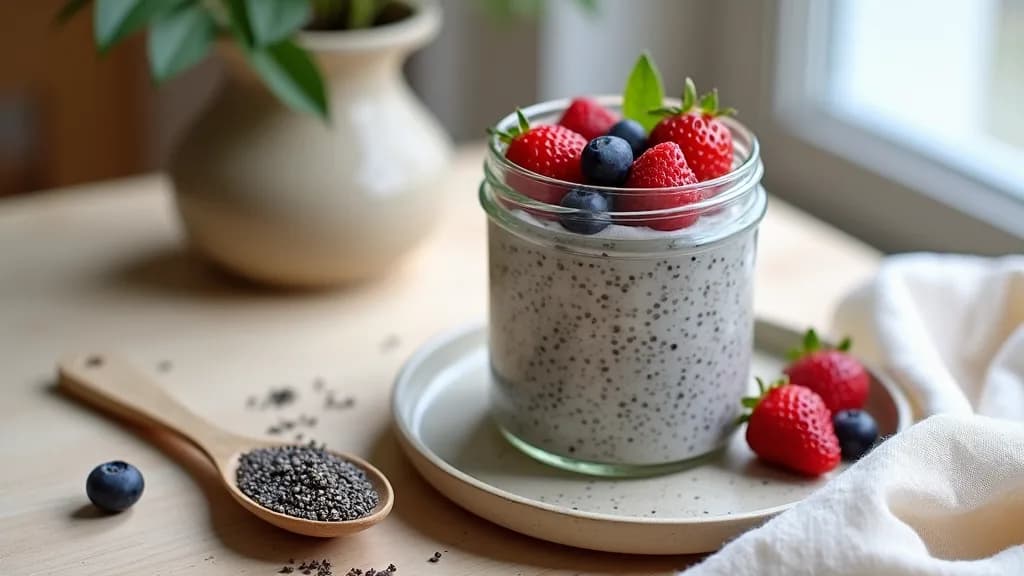
- Chia pudding: stir 2–3 tablespoons into about half a cup of milk or plant milk, refrigerate a few hours, and top with fruit.
- Stir into liquids: add to oatmeal, yogurt, smoothies, or soup. Whole seeds keep their gel; ground seeds blend in invisibly.
- As an egg substitute: 1 tablespoon chia plus 3 tablespoons water, left to gel, works as a binder in baking.
- Whole vs. ground: unlike flax, chia's nutrients are reasonably available even whole, but grinding can improve absorption for some people.
Store chia in a cool, dark cupboard or the fridge. The omega-3 fat means it can eventually go rancid, though its natural antioxidants give it a longer shelf life than many seeds.
Honest downsides and cautions
This is food guidance, not medical advice. Chia is well tolerated by most people, but the same fiber that makes it useful is also where the risks sit.
- Fiber needs fluid. Adding a lot of fiber quickly — without enough water — can cause bloating, gas, cramping, or constipation instead of relief. Start with a small amount and increase gradually while drinking plenty of fluids.
- Never eat dry chia by the spoonful and then drink. Because dry chia absorbs many times its weight in liquid and gels rapidly, there have been reports of it swelling in the esophagus and causing a blockage, particularly in people with swallowing difficulties. Always pre-soak chia, or eat it already mixed into a moist food, and sip water alongside.
- Digestive conditions: if you have IBS, a history of bowel narrowing (strictures), or another gut condition, introduce chia cautiously and talk with your clinician.
- It is calorie-dense. "Healthy" does not mean unlimited — a few tablespoons add up, which matters if you are watching intake.
Who should be careful
A short check-in with your clinician or pharmacist is wise if any of these apply to you:
- Blood thinners: chia's omega-3 content may have a mild effect on blood clotting, so if you take warfarin or similar medications, keep your intake steady and mention it to your prescriber.
- Blood pressure or blood sugar medication: fiber and omega-3s can nudge these numbers, so watch for additive effects if your treatment is already tightly managed.
- Thyroid or other daily medication: a large fiber load can affect how some pills are absorbed, so separate chia from your medication by a couple of hours and check with your pharmacist if unsure.
- Swallowing problems (dysphagia): stick firmly to pre-soaked chia only.
- Low body weight or difficulty eating enough: very filling foods can crowd out needed calories.
No megadoses are needed to get chia's benefits — one to two tablespoons daily is plenty. If a food noticeably changes how you feel, or you have a medical condition or take regular medication, run it by a qualified professional. Reliable, plain-language overviews are also available from the NHS and MedlinePlus.
Bottom line: chia seeds are an easy, low-cost way to boost fiber, add plant omega-3s, and nudge up calcium and magnesium — all things that quietly matter more in midlife. Use them as one steady habit within a varied, mostly-plants eating pattern, keep the water flowing, and let the small wins add up.