Oats are one of the few everyday foods with a genuine, well-documented health story behind them. The active ingredient is beta-glucan, a soluble fiber that forms a gel in your gut. That gel is what helps lower LDL ("bad") cholesterol, blunt the blood-sugar spike after a meal, feed beneficial gut bacteria, and keep you full for longer. For women navigating perimenopause and beyond — when cholesterol tends to rise, blood sugar becomes harder to manage, and appetite shifts — that combination is quietly valuable.
This is food guidance, not medical advice. Oats are a helpful staple, not a treatment. If you have a medical condition or take medication, talk with your clinician before making big dietary changes.
Oats nutrition at a glance
The numbers below are widely-cited approximate values for a typical serving of dry rolled oats (about 40 g, which makes a generous cooked bowl). Exact figures vary by brand and product, so treat these as ballpark ranges.
| Nutrient | Approximate amount | Why it matters |
|---|---|---|
| Calories | ~150 kcal | Steady, slow-burning energy |
| Protein | ~5 g | Higher than most grains; supports satiety and muscle |
| Total fiber | ~4 g | Includes the beta-glucan soluble fiber |
| Beta-glucan | ~1.5–2 g | The cholesterol- and glucose-active fiber |
| Fat | ~3 g | Mostly unsaturated |
| Magnesium | ~55 mg | Bone, muscle, and sleep support |
| Iron | ~1.7 mg | Useful plant iron, though less absorbable than meat iron |
| Zinc & manganese | Meaningful amounts | Enzyme and antioxidant functions |
You can look up precise, brand-specific figures on USDA FoodData Central.
Why oats matter for women in midlife
Cholesterol and heart health
This is the strongest evidence oats have. Regulators including the FDA and the American Heart Association recognize that the beta-glucan in oats can help lower LDL cholesterol as part of a diet low in saturated fat. Research summarized by the Harvard Nutrition Source points to a modest but real reduction when you eat roughly 3 grams of beta-glucan daily — about the amount in one and a half to two bowls of oatmeal. Because a woman's LDL and cardiovascular risk often climb after menopause as estrogen declines, this is worth paying attention to. See our guides to high cholesterol in women and menopause and heart health for the bigger picture.
Blood sugar and insulin
The same gel that traps cholesterol also slows how quickly sugar enters your bloodstream, softening the post-meal spike. Whole, minimally processed oats have a gentler effect on blood sugar than refined grains. This matters for anyone managing insulin resistance, which becomes more common in midlife and is central to PCOS and insulin resistance. Note the caveat below on instant oats, which behave quite differently.
Gut health
Beta-glucan and other fibers in oats act as a prebiotic — food for the beneficial bacteria in your colon. Those bacteria ferment the fiber into short-chain fatty acids linked to a healthier gut lining and less inflammation. A more diverse, well-fed microbiome is one of the simplest wins in everyday eating.
Satiety and weight
Oats are filling for their calorie count, thanks to the fiber-plus-protein combination and the way the gel slows stomach emptying. A savory or lightly sweetened bowl can steady appetite through a morning far better than a sugary cereal or pastry — helpful during a life stage when appetite and metabolism shift.
Minerals for bone and blood
Oats contribute magnesium, iron, zinc, and manganese. Magnesium supports bone and muscle function, relevant as bone density declines after menopause — see menopause and bone loss. The iron is plant (non-heme) iron, which is less readily absorbed than the iron in meat; pairing oats with a vitamin C source like berries or citrus helps. If you struggle with low iron, read iron deficiency in women.
Steel-cut vs. rolled vs. instant
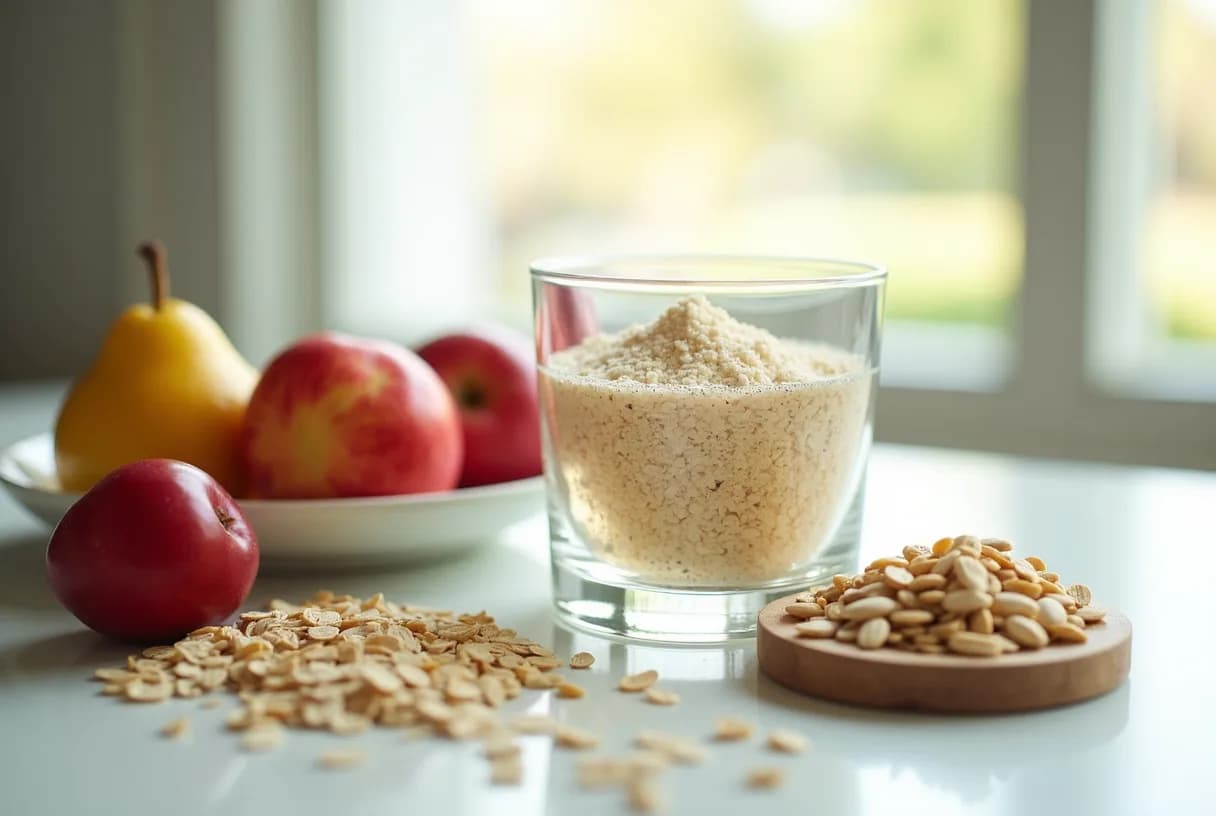
They are all the same grain — the difference is how much it has been processed, which changes cooking time and how fast your body digests it.
- Steel-cut (Irish) oats: the whole groat chopped into pieces. Chewiest, slowest to digest, gentlest effect on blood sugar. Takes 20–30 minutes to cook.
- Rolled (old-fashioned) oats: steamed and pressed flat. A sensible middle ground — cooks in a few minutes, keeps most of the benefits, and works in overnight oats.
- Quick and instant oats: rolled thinner or pre-cooked so they digest fast. Convenient, but the blood-sugar rise is steeper, and flavored instant packets are often loaded with added sugar. If you use instant, choose plain and add your own toppings.
The beta-glucan content is broadly similar across forms; the main trade-off is glycemic speed and added sugar in flavored products.
Are oats gluten-free?
Oats are naturally gluten-free, but standard oats are frequently cross-contaminated with wheat, barley, or rye during growing and milling. If you have celiac disease or gluten sensitivity, buy oats explicitly labeled certified gluten-free. A small number of people with celiac also react to a protein in oats themselves (avenin), so introduce them cautiously and mention it to your clinician.
How to eat more oats
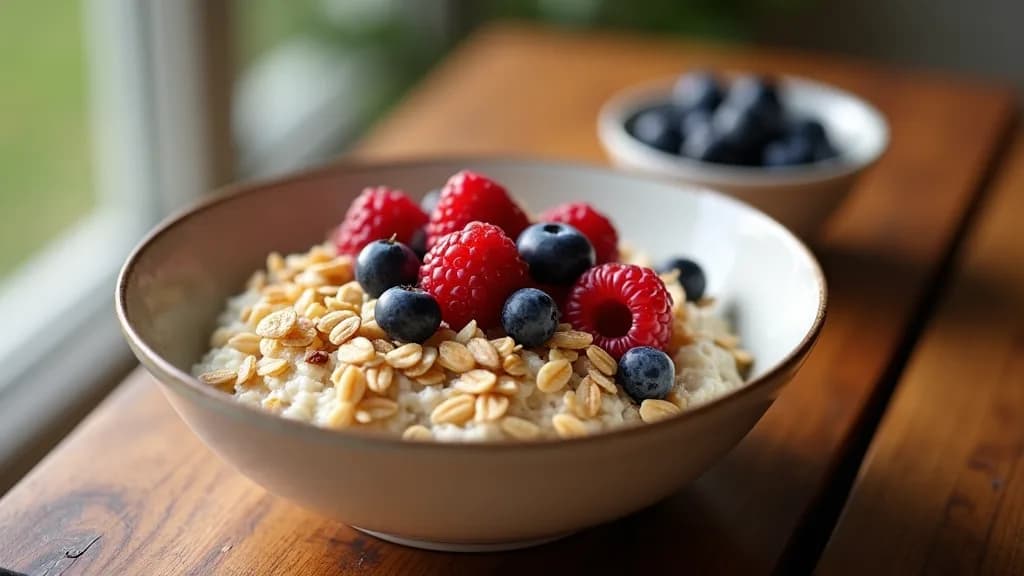
- Overnight oats: soak rolled oats in milk or yogurt overnight; top with berries, nuts, and seeds in the morning.
- Savory oats: cook in broth and top with an egg, greens, and a little cheese for a lower-sugar breakfast.
- Blend into baking: stir oats into pancakes, muffins, or homemade granola.
- Add protein and fat: Greek yogurt, nut butter, or seeds turn a bowl into a balanced meal that holds you longer.
- Watch the toppings: the oats are healthy; a mountain of brown sugar and syrup is what turns the bowl into dessert.
Honest downsides and cautions
- Add fiber gradually with fluids. Jumping straight to large amounts can cause bloating and gas. Increase slowly and drink enough water so the soluble fiber can do its job comfortably.
- Flavored instant oats can be sugar bombs. Some packets rival a bowl of candy. Read labels and default to plain.
- Oats aren't a magic cholesterol cure. The LDL benefit is modest and works only as part of an overall pattern low in saturated fat — not as a licence to ignore the rest of your diet.
- Portion still counts. Oats are nutritious but not calorie-free; large bowls with rich toppings add up.
- Toppings, not oats, are usually the problem. Sugar, cream, and syrup can undo the benefit.
Who should be careful
Most people can enjoy oats freely. Take extra care if you have celiac disease or gluten sensitivity (choose certified gluten-free), a diagnosed oat or avenin allergy, or digestive conditions like IBS where high-fiber or FODMAP-containing foods may trigger symptoms — introduce them slowly. If you have diabetes and use glucose-lowering medication, remember that large fiber changes can affect blood sugar and, in some cases, how medicines are absorbed, so time doses and monitor as your clinician advises. Because soluble fiber can influence the absorption of some drugs, separate oats from medications like thyroid hormone by a few hours and ask your pharmacist if you take regular medication. Anyone with a medical condition or on prescription medicine — including blood thinners or thyroid drugs — should check with a clinician before big dietary shifts. None of this is a reason to megadose fiber or oat supplements; whole oats in ordinary portions are the goal.
Bottom line: oats are a genuinely useful everyday food — real evidence for cholesterol and blood sugar, plus fiber, protein, and minerals. Choose steel-cut or rolled over sugary instant packets, build a balanced bowl, and skip the hype about miracle results.