If you're a woman who feels persistently wiped out, iron is one of the first things worth ruling in or out. Iron deficiency is the most common nutritional deficiency in women, and it's one of the most overlooked drivers of everyday tiredness — partly because the very things that cause it are so ordinary.
Why iron deficiency in women is so common
The headline reason women lose iron more readily than men is simple: menstruation. Every period sheds blood, and blood carries iron. Over years of monthly cycles, that adds up, which is why low iron in women of reproductive age is far more frequent than in men of the same age.
Three life stages stack the deck further:
- Periods — menstrual blood loss is the leading cause of iron-deficiency anaemia in premenopausal women.
- Heavy or long periods — bleeding that soaks through protection quickly, lasts more than about seven days, or includes large clots raises the risk substantially. If your cycles have become heavier or unpredictable, our guide to irregular periods in perimenopause is a useful companion read.
- Pregnancy and breastfeeding — pregnancy sharply increases iron needs as blood volume expands and the baby develops (the recommended daily intake rises by about half, and the total iron demand across a pregnancy is far higher still), and breastfeeding keeps demand elevated.
Iron matters because it's the core of haemoglobin, the protein in red blood cells that carries oxygen. When stores run low, oxygen delivery suffers — and that shows up as fatigue, breathlessness and brain fog long before classic anaemia appears.
The perimenopause twist: iron is easy to miss
Here's where it gets tricky. In the years before periods stop, hormones fluctuate and bleeding can become heavier and more erratic — sometimes much heavier than the cycles you've known for decades. That extra blood loss can quietly drain iron stores at exactly the moment when you're already noticing fatigue and fog.
The problem is that those same symptoms are easy to file under "it's just menopause." Tiredness, poor concentration and low mood are all on the list of perimenopause symptoms, and menopause fatigue is real. But declining oestrogen and falling iron can produce a near-identical picture — and they can coexist. If your periods got heavier as your energy dropped, iron deserves a look rather than an assumption.
The postmenopause flip: a red flag, not a diet problem
Once periods stop for good — typically around the average age of menopause — the monthly iron drain ends. Iron needs fall, and iron deficiency actually becomes less common in women after menopause.
That flip carries an important safety message. New iron-deficiency anaemia after menopause should not be assumed to be dietary. Without periods to explain the loss, a clinician will usually want to investigate for a hidden source of bleeding — most often in the gut. This is the same red flag that applies to iron-deficiency anaemia in men. It is usually nothing serious, but it always warrants evaluation rather than a bottle of supplements. Our overview of iron-deficiency anaemia explains how this is worked up.
The fatigue differential: it might not be iron at all
"Why am I so tired?" rarely has a single tidy answer in midlife. Several common causes overlap, look alike, and frequently occur together:
| Possible cause | Tell-tale clues (not definitive) | Learn more |
|---|---|---|
| Iron deficiency | Heavy periods, breathlessness, pale skin, brittle nails, restless legs, hair shedding | Iron deficiency symptoms |
| Underactive thyroid | Cold intolerance, weight gain, dry skin, constipation, slowed thinking | Hypothyroidism symptoms |
| Menopause | Hot flushes, night sweats, disrupted sleep, mood shifts | Menopause fatigue |
| Chronic stress | Wired-but-tired feeling, poor sleep, low resilience | Stress and fatigue |
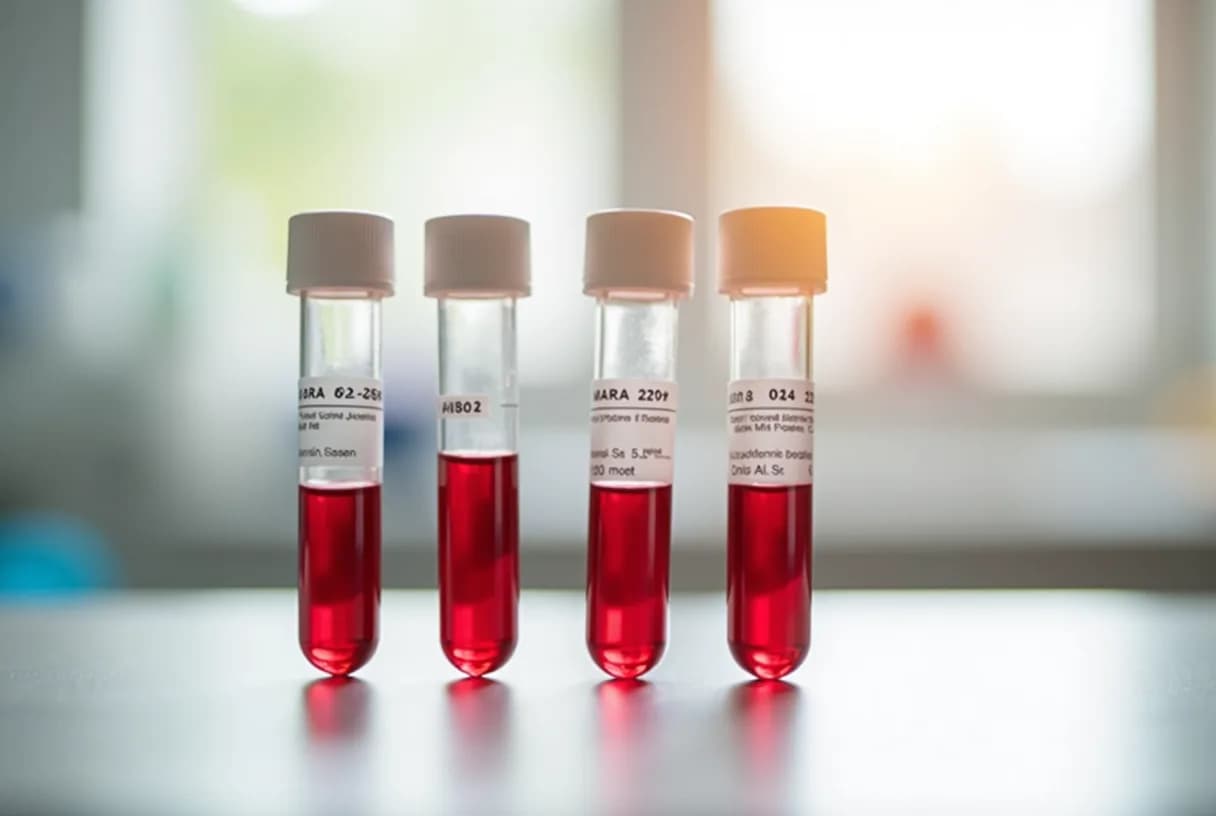
Notice how much these lists share — thyroid and fatigue and iron both cause hair shedding, breathlessness and low energy, for instance. Because they overlap and can coexist, the way forward is testing, not guessing. The practical move is to check ferritin (your iron stores) and thyroid function together, rather than treating one and missing the other.
Why you must test before taking iron
It's tempting to skip the clinic and start an iron supplement. Please don't. There are good reasons to confirm a deficiency first:
- Too much iron is harmful. The body has no easy way to excrete excess iron, and overload is genuinely dangerous in conditions such as haemochromatosis. Iron tablets are also a serious poisoning risk for young children, so store them safely.
- Anaemia has other causes. Low B12 or folate, chronic disease and ongoing blood loss can all cause anaemia. Iron won't fix the ones that aren't iron-related.
- Ferritin can mislead. Ferritin is also an inflammation marker, so infection, inflammation or liver disease can push it into the normal-or-high range and mask a real deficiency. A clinician interprets it alongside the full picture.
- "Low-normal" is debated. Reference ranges vary between labs, and where exactly to draw the line for "low" ferritin is genuinely contested. A result that looks borderline may still matter if your symptoms fit.
What to do about low iron
If testing confirms low iron, treatment usually combines diet, supplements where needed, and addressing the cause.
Eat more iron-rich foods
There are two kinds of dietary iron. Heme iron — from meat, poultry and fish — is absorbed more efficiently than the non-heme iron in plants such as lentils, beans, tofu, fortified cereals and dark leafy greens. Pairing plant iron with vitamin C (think citrus, peppers or tomatoes) boosts absorption, while tea, coffee and calcium-rich foods or dairy taken at the same meal reduce it. See our list of foods high in iron for practical swaps. Be honest with yourself, though: food alone may not quickly correct an established deficiency — it's better at maintenance and prevention than rapid repair.
Supplement only when advised
When stores are genuinely depleted, a clinician may recommend an iron supplement and a follow-up test to confirm it's working. Take it exactly as directed — more is not better, and side effects like constipation and nausea are common. Newer guidance suggests that for many people a single daily dose, or even alternate-day dosing, can be absorbed as well as or better than splitting iron into several doses a day, and is often gentler on the stomach; ask your clinician which schedule suits you. It's also worth separating iron from tea, coffee, dairy and calcium supplements, which blunt absorption.
Tackle the source
If heavy periods are the driver, treating the bleeding itself can be the most effective long-term fix. That's a conversation worth having with your clinician, especially during perimenopause.
Could it be iron? A quick checklist
Iron deficiency is more likely worth checking if several of these ring true:
- Your periods are heavy, long, or have recently become heavier.
- You feel unusually tired, breathless on stairs, or your heart sometimes races.
- You're noticing pale skin, brittle nails, unusual hair shedding, or restless legs at night.
- You crave or chew ice, or have an odd urge to eat non-food items.
- You're pregnant, recently gave birth, or breastfeeding.
- You're vegetarian or vegan, or eat little meat.
- Your energy dropped around the same time your cycles changed in perimenopause.
None of these confirms a diagnosis — but together they're a strong cue to get a simple blood test.
When professional care makes sense
Book an appointment and ask about testing your ferritin and thyroid together if you have persistent fatigue, breathlessness, heavy periods, or other symptoms above. Seek care promptly — and treat the following as red flags that always need evaluation:
- Iron-deficiency anaemia after menopause, or in any man — never assume it's dietary; it can signal a bleeding source such as the gut and needs investigation.
- Blood in your stool, black or tarry stools, or vomiting blood.
- Bleeding so heavy that you're soaking through pads or tampons hourly, or passing large clots.
- Chest pain, severe breathlessness, fainting, or a racing heartbeat.
Do not start iron supplements on your own to fix suspected anaemia — get tested first, because too much iron is harmful and the cause matters. This article is general information from the VidaBeacon Editorial Team, not a substitute for personalised advice from a qualified clinician.