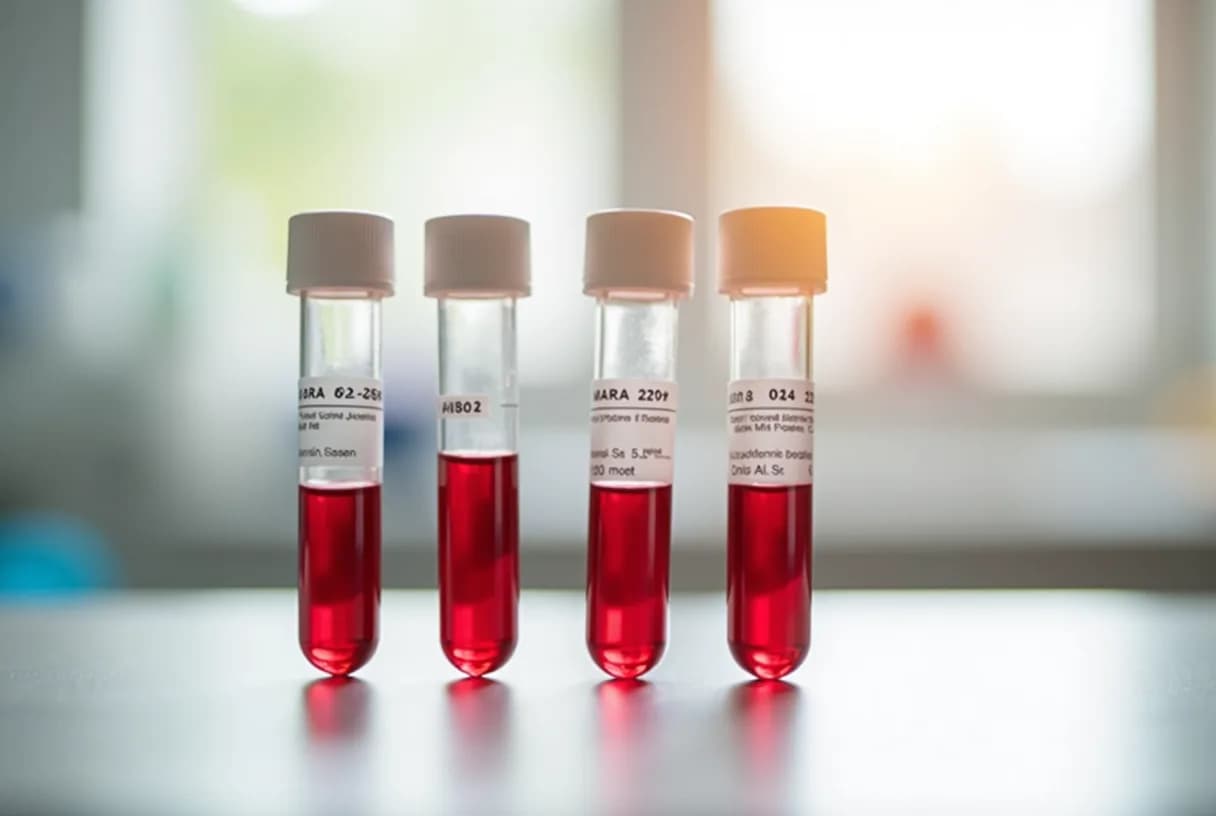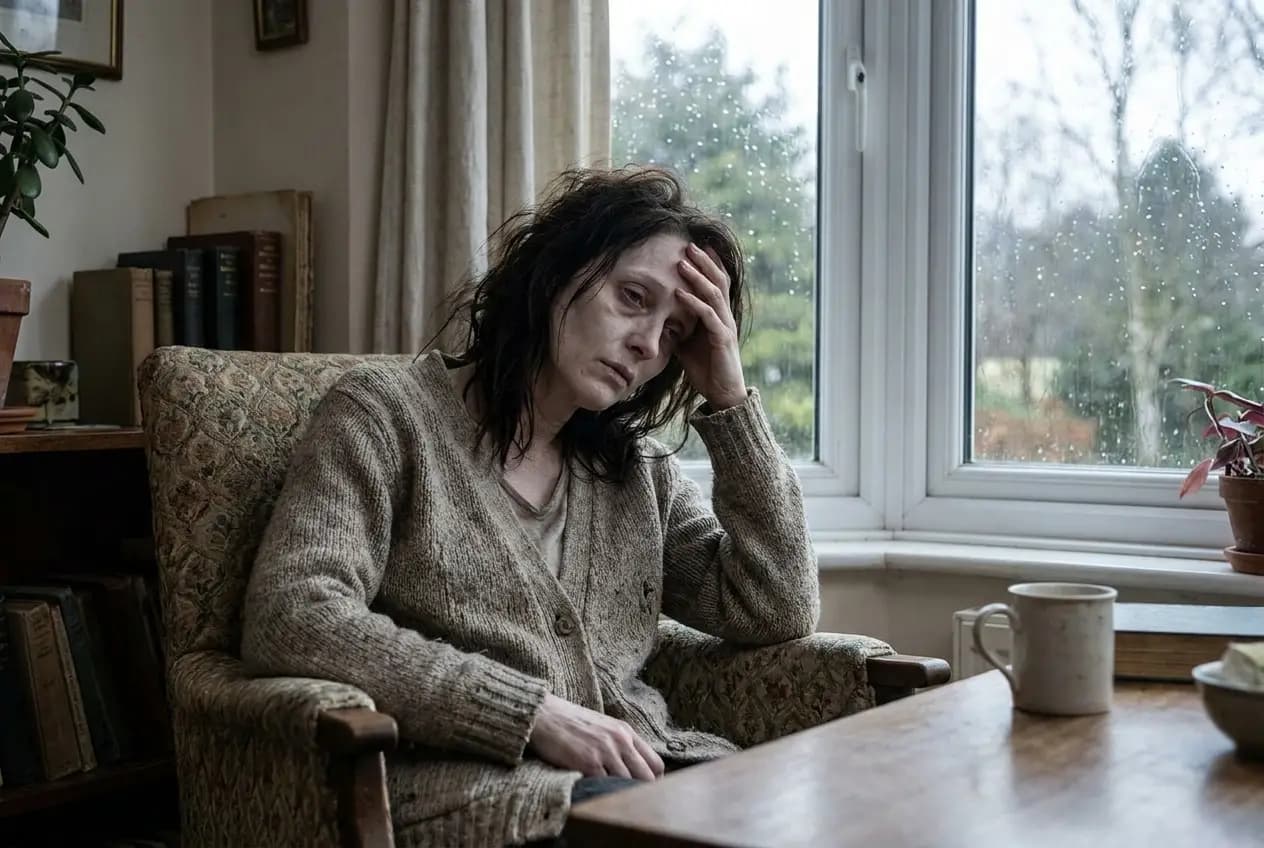
Feeling worn out, unusually pale, or breathless climbing the stairs? These can all be iron deficiency symptoms. Iron deficiency is the most common nutritional deficiency in the world, and it disproportionately affects women, largely because of monthly menstrual blood loss. The good news: it is detectable with a simple blood test and treatable once the cause is known.
What iron actually does in your body
Iron's headline job is building haemoglobin, the protein in red blood cells that carries oxygen from your lungs to every tissue. When iron runs short, your body makes fewer healthy red cells and delivers less oxygen, which is why so many low iron symptoms trace back to a single theme: not enough oxygen reaching muscles, skin, and brain. The most readily absorbed dietary form is heme iron, found in meat, poultry, and fish; plant foods supply non-heme iron, which the body absorbs less efficiently. A practical tip for later: vitamin C eaten in the same meal boosts non-heme absorption, while tea, coffee, and calcium-rich foods can blunt it.
The hallmark symptom: persistent fatigue and low energy
If there is one signature sign of low iron, it is tiredness that rest doesn't fix. People describe feeling drained, foggy, and short on stamina, even after a full night's sleep. Because fatigue is so common and so non-specific, it is easily blamed on a busy life. That is exactly why iron deserves a place on the checklist when you ask, "Why am I so tired?" Iron is one of several distinct but overlapping culprits behind fatigue, alongside an underactive thyroid, menopause, and chronic stress — which is precisely why a blood test, not a guess, is the way to know.
Common signs of low iron
Beyond fatigue, low iron tends to show up in a cluster of everyday symptoms. You may notice some, all, or none of these:
- Pale skin — including inside the lower eyelids, gums, or nail beds.
- Shortness of breath on exertion — getting winded by stairs or a brisk walk.
- A fast or pounding heartbeat — your heart works harder to move oxygen, which can feel like palpitations.
- Cold hands and feet — reduced circulation to the extremities.
- Dizziness or headaches — especially on standing up.
- Brittle, spoon-shaped nails that chip and ridge easily.
- Hair thinning or increased shedding — also linked to menopause and thyroid problems, so the cause isn't always obvious.
- Restless legs — an uncomfortable urge to move your legs, often worse at night.
- Unusual cravings for ice, clay, paper, or starch — a phenomenon called pica that is strongly associated with iron deficiency.
- Brain fog and poor concentration.
- Reduced exercise tolerance — workouts feel harder and recovery slower.
Symptoms can start before full anaemia
Here is a point that is often missed: you can feel unwell before a standard test labels you "anaemic." Your body keeps iron in storage, measured as ferritin. When those stores run down — a state called low ferritin — symptoms like fatigue, hair shedding, and restless legs can begin even while your haemoglobin still looks normal. This earlier stage is sometimes called iron deficiency without anaemia, and it can eventually progress to iron-deficiency anaemia if the underlying cause continues.
One important caveat: ferritin is also an inflammation and acute-phase marker, so it can read falsely normal or high during infection, inflammation, or liver disease, masking a true deficiency. And the "low-normal" reference ranges are genuinely debated among clinicians. That is why ferritin results are best interpreted with a doctor rather than read in isolation.
Symptoms of iron deficiency in women
Women of reproductive age carry the highest risk, and the reason is straightforward: monthly periods are a recurring source of blood loss, and heavy periods more so. Pregnancy raises iron needs further. This is why iron deficiency in women is so common — and why low iron deserves consideration when a woman feels persistently exhausted, especially if periods are heavy or irregular. After menopause, periods stop and iron needs fall, which makes new iron deficiency in a postmenopausal woman a different, more important signal (see the red flags below).
The fatigue differential: iron versus thyroid, menopause, and stress
Tiredness is the symptom these conditions share, but they are distinct — and they can coexist. The table below is a rough orientation, not a diagnostic tool.
| Possible cause | Clues that point toward it | How it's checked |
|---|---|---|
| Iron deficiency | Pale skin, breathlessness, ice cravings, restless legs, heavy periods | Full blood count + ferritin |
| Underactive thyroid | Weight gain, cold intolerance, constipation, dry skin (hypothyroidism symptoms) | Thyroid blood tests (TSH) |
| Menopause / perimenopause | Hot flushes, night sweats, sleep disruption, mood changes | Symptom pattern and age |
| Chronic stress | Wired-but-tired feeling, poor sleep, persistent pressure | History and context |
Because the overlap is so large, the honest answer is the same one a good clinician gives: don't guess. A blood test sorts iron deficiency from the others, and it is entirely possible to have more than one of these at the same time.
What to do next
The single most important step is to get tested before taking iron. Self-diagnosing and reaching for supplements is risky for two reasons. First, too much iron is harmful: iron overload and toxicity are real, and dangerous in conditions such as haemochromatosis. Second, iron tablets are a serious poisoning risk for young children, so any supplements must be stored well out of reach. If a test confirms deficiency, a clinician can advise on iron-rich foods and, where appropriate, iron supplements. Be realistic, too: food alone may not quickly correct an established deficiency, and restoring depleted stores can take months.
When to see your doctor
Talk to a doctor if you have ongoing fatigue or several of the symptoms above — and always before starting iron. Seek prompt medical advice if you experience:
- Iron deficiency in a man, or a postmenopausal woman. This should never be assumed dietary — it can signal bleeding in the gut and needs investigation to find the cause.
- Severe breathlessness, chest pain, or fainting — seek urgent care.
- Very heavy periods that soak through protection or contain large clots.
- Blood in your stool, black tarry stools, or unexplained weight loss.
- Symptoms despite a recent normal result — remember anaemia has causes beyond iron, including B12 or folate deficiency, chronic disease, and blood loss, so getting the diagnosis right matters.
Low iron is common and usually fixable. The fastest route to feeling like yourself again is a clear diagnosis from a blood test, not a guess from a symptom list.
Related: Wondering whether your fatigue is actually low iron? A finger-prick kit can confirm it quickly — here's how at-home iron and ferritin testing works for women.
Related: the many possible causes of fatigue in women — how to weigh low iron against other common reasons for feeling exhausted, and when tiredness is worth a closer look.