An underactive thyroid is one of the most common — and most commonly missed — hormone conditions in women. Its symptoms creep in slowly and look a lot like ordinary tiredness, stress, or midlife change, which is exactly why a blood test, not a hunch, is needed to confirm it.
What the thyroid does and what "underactive" means
The thyroid is a small, butterfly-shaped gland in the front of your neck. It releases hormones that set the pace of your metabolism — how your body uses energy, regulates temperature, and keeps your heart, brain, gut and skin ticking over. In hypothyroidism (an underactive thyroid), the gland makes too little hormone, so many of these processes slow down. The opposite problem, an overactive gland, is covered in our guide to hyperthyroidism symptoms.
Underactive thyroid symptoms
Thyroid symptoms tend to be gradual and easy to dismiss. Not everyone gets all of them, and they often build over months. Common low thyroid symptoms include:
- Fatigue and low energy, even after a full night's sleep
- Weight gain or difficulty losing weight (see thyroid weight gain)
- Feeling cold when others are comfortable
- Dry skin and brittle nails
- Hair thinning or hair loss, sometimes including the outer eyebrows
- Constipation
- Brain fog, poor memory and trouble concentrating
- Low mood or depression
- Heavy or irregular periods
- A slow heart rate and a general sense of sluggishness
- Puffiness, especially around the face and eyes
Because these signs of thyroid problems are so nonspecific, they overlap with many other conditions — which is why testing matters.
Why it's far more common in women
Hypothyroidism affects women several times more often than men. Much of this comes down to autoimmune disease, which is more common in women, and to hormonal transitions like pregnancy, the postpartum period, and perimenopause. Thyroid problems also become more likely with age, so they frequently appear during the same years as menopause.
The menopause overlap: thyroid or perimenopause?
Here's what makes underactive thyroid symptoms so confusing in midlife: they mirror many perimenopause symptoms almost exactly. Fatigue, weight changes, brain fog, mood shifts, hair thinning and irregular periods can all come from either a thyroid problem or the natural fall in estrogen — and sometimes both at once.
| Symptom | Can be thyroid | Can be menopause |
|---|---|---|
| Fatigue | Yes | Yes |
| Brain fog & memory | Yes | Yes |
| Hair thinning | Yes | Yes |
| Low mood / irritability | Yes | Yes |
| Irregular periods | Yes | Yes |
| Feeling cold | Yes | Less typical |
| Hot flashes / night sweats | Less typical | Yes |
The practical takeaway: don't assume midlife symptoms are "just menopause." A thyroid test is a reasonable, low-cost way to rule out an underactive thyroid. Our bridge guide, thyroid or menopause, walks through telling them apart — and remember that the two conditions can coexist.
What causes hypothyroidism
The most common cause is Hashimoto's thyroiditis, an autoimmune condition in which the immune system gradually damages the thyroid; you can read more in our guide to Hashimoto's disease. Other causes include:
- Thyroid surgery or radioactive iodine treatment (for example, after treating an overactive thyroid or thyroid nodules)
- Some medications, such as lithium and certain heart or immune drugs
- Iodine extremes — both too little and too much iodine can disrupt the thyroid, which is why iodine supplements are not a blanket fix
- Less commonly, congenital thyroid problems present from birth, or a pituitary issue affecting the gland's signaling
How an underactive thyroid is diagnosed
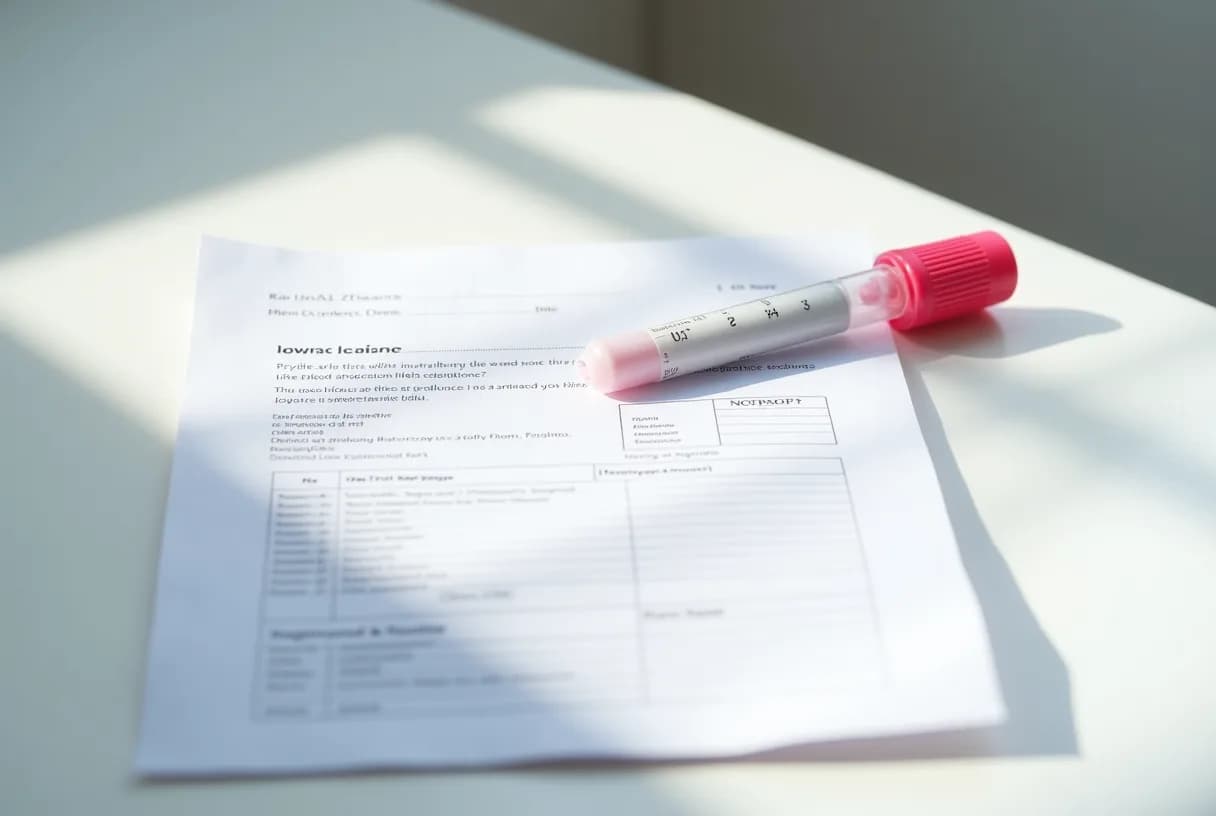
Thyroid problems are diagnosed with a blood test, not by symptoms alone. The first test is usually TSH (thyroid-stimulating hormone). When the thyroid is underactive, TSH typically rises as the body tries to prod the gland to work harder. If TSH is abnormal, a clinician usually checks free T4 and may test for thyroid antibodies to look for Hashimoto's. (In the rarer situation where the problem is in the pituitary, TSH can be low or normal despite an underactive thyroid, so results are always read in context.) Our explainer on thyroid testing covers what the numbers mean. If you're also wondering about hormones, see menopause hormone testing — they're separate panels.
| Pattern | TSH | Free T4 |
|---|---|---|
| Typical hypothyroidism | High | Low |
| Subclinical (early/mild) | Mildly high | Normal |
| Normal thyroid | Normal | Normal |
Reference ranges vary by lab, so results should always be interpreted by a clinician alongside your symptoms.
Treatment and monitoring
The good news is that hypothyroidism is very treatable. The standard treatment is a daily tablet of levothyroxine, a synthetic version of the thyroid hormone your body is missing. It simply replaces what the gland can't make. Your clinician starts at a dose suited to you, rechecks your TSH after several weeks, and adjusts until levels settle — then monitors periodically over the long term. Most people feel substantially better once the dose is right, though it can take a little patience.
A note on diet and supplements: there is no proven food or supplement that "heals" the thyroid. A gluten-free diet helps only people who also have coeliac disease, and selenium or iodine have limited, nuanced evidence and can harm in excess. Be wary of "thyroid detox" products and "adrenal fatigue" claims — the mainstream, evidence-based treatment is hormone replacement guided by blood tests. A balanced approach like our best diet for menopause can support overall wellbeing, but it is not a substitute for treatment.
Left untreated over years, hypothyroidism can affect the heart (raising cholesterol and straining the cardiovascular system) and, in some cases, contribute to bone loss — see osteoporosis. Treating it protects these systems too.
When to get medical advice
Because thyroid symptoms are nonspecific and overlap heavily with menopause, the only reliable way to know is a blood test. See a clinician if you have ongoing fatigue, unexplained weight change, persistent feeling cold, hair loss, brain fog or low mood — and ask whether a thyroid panel makes sense, especially in your 40s and 50s.
Seek urgent medical care for the rare but serious form of severe, untreated hypothyroidism, sometimes called myxedema, which can cause extreme drowsiness, confusion, very low body temperature and slowed breathing. This is a medical emergency.
Thyroid disease is diagnosed and managed by a clinician — not self-diagnosed or self-treated. If your symptoms persist after starting treatment, go back and ask about adjusting your dose or checking for overlapping causes.
Related: how the main thyroid medications compare — a plain-language look at levothyroxine (T4), liothyronine (T3), combination therapy and natural desiccated extract to help you discuss treatment options with your doctor.