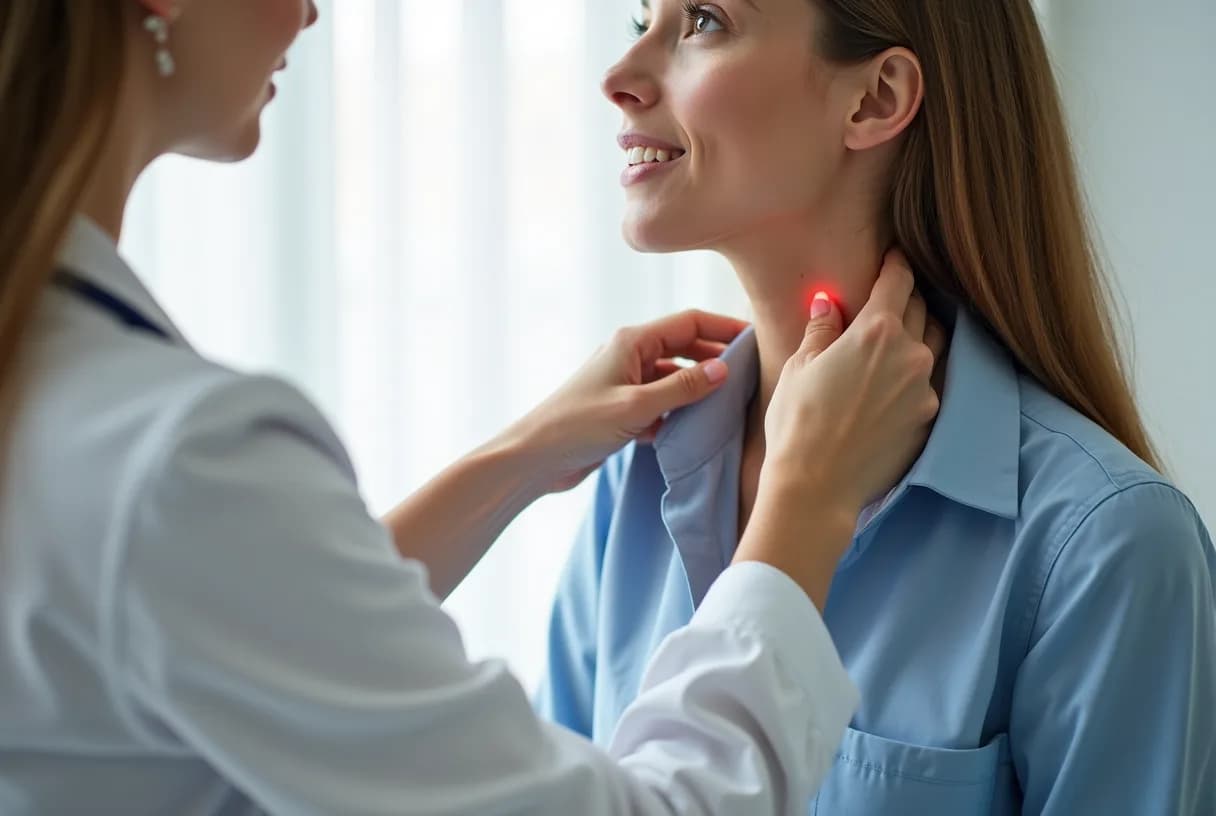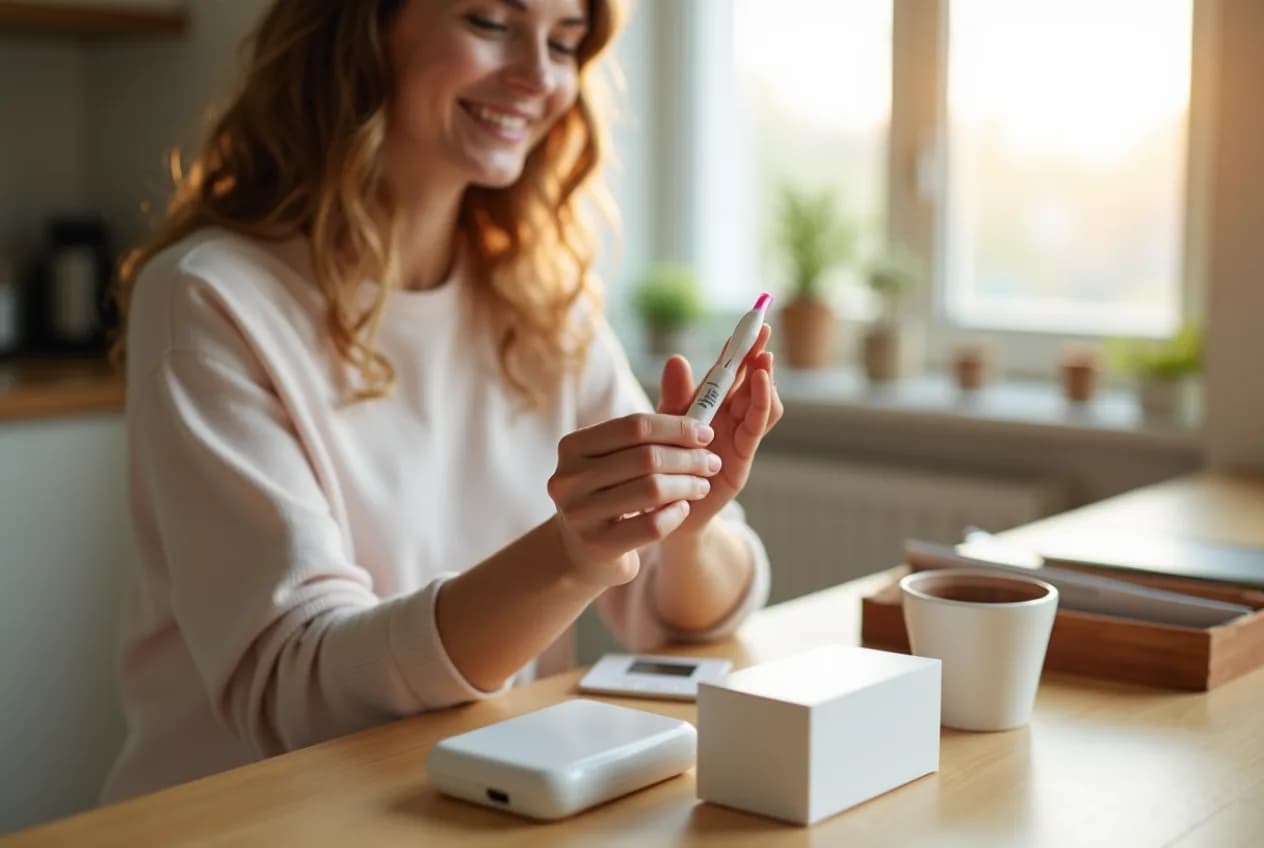
When you shop for an at-home thyroid test, look for one that measures more than TSH alone — ideally TSH plus free T4, with TPO antibodies available when autoimmune disease is a concern — and that runs your sample through a CLIA-certified (ideally CAP-accredited) lab with a physician reviewing the results. Clear upfront pricing and a plan to follow up with your own clinician round out a trustworthy kit. At-home tests can flag a possible thyroid problem, but they supplement rather than replace clinical care.
Which markers a good at-home thyroid test should measure
TSH (thyroid-stimulating hormone)
TSH is the pituitary gland's signal to the thyroid, and it is the single most sensitive first-line marker. Most clinical guidelines start here, because a small change in thyroid hormone produces a larger, easier-to-detect change in TSH. Any at-home test worth buying should include TSH and report it against the lab's reference range. A test that measures TSH only, however, gives you a narrow picture.
Free T4 and free T3
Free T4 measures the thyroid hormone actually available to your tissues, and pairing it with TSH helps interpret an abnormal result — for example, telling an overt pattern from a milder "subclinical" one. Free T3 can add context in some hyperthyroid situations, but it is generally not recommended for diagnosing an underactive thyroid, so treat it as an optional add-on rather than a must-have. Look for kits that report "free" T4 and T3, not "total."
TPO antibodies
Thyroid peroxidase (TPO) antibodies are a marker of autoimmune thyroid disease, such as Hashimoto's thyroiditis. If you have symptoms, a borderline TSH, or a family history of thyroid or autoimmune conditions, a test that offers TPO antibodies can help explain why a thyroid problem is developing. Many women never need this marker, so it is a valuable option rather than a routine requirement.
Beyond the markers: lab quality, review, and price
The number on your report is only as good as the lab that produced it. In the US, look for a CLIA-certified lab, ideally one that is also CAP-accredited; in the UK, look for UKAS accreditation. These certifications mean the lab meets external quality and accuracy standards. A trustworthy kit also has a licensed clinician review your results, since interpretation and safe next steps depend on clinical context — not a value in isolation. Finally, favor transparent pricing: one clear total, a plain list of what is included, and honest disclosure of whether follow-up or repeat testing costs extra. Our best at-home thyroid tests roundup and our guide to how to compare at-home hormone tests apply the same lens.
| Criterion | What to look for | Why it matters |
|---|---|---|
| TSH | Included as the primary marker, reported against a lab reference range. | TSH is the most sensitive first-line screen; most guidelines start diagnosis here. |
| Free T4 | Measured alongside TSH, reported as "free" rather than "total." | Helps interpret an abnormal TSH and separate overt from milder subclinical patterns. |
| Free T3 | A useful add-on in some cases, but not essential for routine screening. | Adds context for overactive-thyroid pictures; not recommended for diagnosing an underactive thyroid. |
| TPO antibodies | Offered as an option, especially with symptoms or a family history. | Positive TPO antibodies point to autoimmune thyroid disease such as Hashimoto's. |
| Lab certification | Sample analyzed by a CLIA-certified, ideally CAP-accredited lab (UKAS in the UK). | Certification means the lab meets external quality and accuracy standards. |
| Physician review | A licensed clinician reviews results, with a way to ask follow-up questions. | Safe interpretation and next steps need clinical context, not a number alone. |
| Price transparency | One upfront total; clear on what is included and whether retests cost extra. | Hidden fees and add-ons make kits hard to compare and follow-up hard to budget. |
When a clinician-ordered panel is the better choice
At-home testing suits people who want convenient, private screening. But a full clinician-ordered panel is usually the better path if you have clear or worsening symptoms, are pregnant or trying to conceive, have a known thyroid condition or nodules, or already take thyroid medication. A clinician can pair the blood work with an exam, repeat borderline results, and place them in your wider history — and it may be covered by insurance. Independent guidance also notes there is not enough evidence to recommend routine thyroid screening for adults who have no symptoms, so testing "just in case" is best treated as a shared decision. If an at-home result comes back abnormal, treat it as a prompt to see a clinician, not a diagnosis. Our comparison of an at-home hormone test versus a doctor's visit walks through the trade-offs.
Why thyroid and menopause symptoms overlap
Fatigue, weight changes, brain fog, low mood, poor sleep, and hair or skin changes are common to both thyroid dysfunction and the menopause transition. Because the symptom lists overlap so heavily, a single at-home number rarely settles which is driving how you feel — that is a conversation for a clinician who can look at the full picture, including your cycle history and other menopause hormone testing. If tiredness is your main concern, our guide to menopause fatigue and the broader menopause hub may help you frame the discussion, and you can explore the wider picture in our thyroid health hub or try the menopause stage quiz.
The bottom line: use these criteria to choose a well-designed kit, but read any result as a starting point. Talk to your clinician about which markers you actually need, what your numbers mean for you, and the right next steps before you change anything about your care.