If you have Hashimoto's thyroiditis, you have probably been offered a dozen conflicting "thyroid diets," each promising to fix your antibodies. The honest picture is quieter: no eating pattern cures autoimmune hypothyroidism, but a sensible, nutrient-dense diet can help you feel better and support the rest of your care. This guide sorts the well-supported basics from the claims that outrun the evidence.
Can a Hashimoto's diet cure the condition?
No. Hashimoto's is an autoimmune process in which the immune system gradually damages the thyroid gland, and no food, supplement, or elimination plan has been shown to reverse it. What a good diet can realistically do is supply the nutrients your thyroid and body need, steady your energy and weight, and reduce inflammation-driven symptoms. If you want the fuller clinical picture, our overview of Hashimoto's disease sits alongside this piece in the Thyroid Health hub and our women's thyroid guide.
Crucially, a Hashimoto's diet works with treatment, not instead of it. Most people with underactive thyroid function need thyroid hormone replacement, and food changes do not remove that need.
The foundation: a nutrient-dense, anti-inflammatory pattern
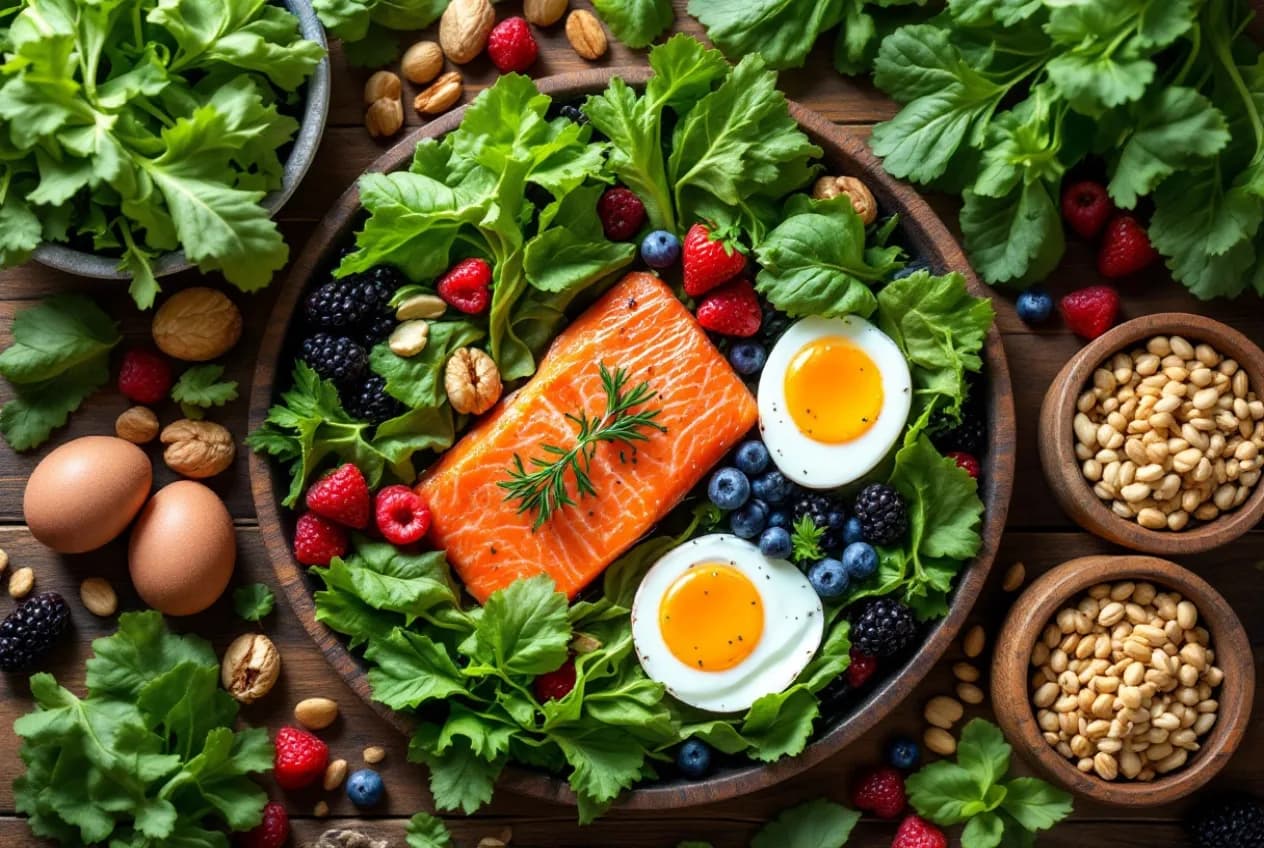
The strongest, least controversial advice is also the least glamorous: eat mostly whole foods in a Mediterranean-style, anti-inflammatory pattern. This supports thyroid function, cardiovascular health, and a healthy weight without demonising whole food groups.
What to build meals around
- Vegetables and fruit — aim for variety and colour for fibre, antioxidants and polyphenols.
- Quality protein — fish, eggs, poultry, legumes and tofu help preserve muscle and satiety.
- Healthy fats — olive oil, nuts, seeds and oily fish for omega-3s.
- Selenium- and zinc-rich foods — seafood, eggs, and a Brazil nut or two, which support thyroid enzymes.
- Wholegrains and legumes — for steady energy and gut health, unless you have coeliac disease.
| Emphasise | Approach mindfully | Why |
|---|---|---|
| Vegetables, fruit, legumes, wholegrains | Ultra-processed snacks and sugary drinks | Fibre and antioxidants vs. added sugar and inflammation |
| Oily fish, olive oil, nuts, seeds | Deep-fried and trans-fat foods | Anti-inflammatory fats vs. pro-inflammatory ones |
| Eggs, seafood, poultry, tofu, beans | Very high-dose iodine or kelp supplements | Balanced iodine and selenium vs. thyroid-disrupting excess |
| Water, tea, coffee (timed away from medicine) | Alcohol in excess | Hydration vs. added inflammatory load |
Cooked cruciferous vegetables (broccoli, kale, cabbage) are fine in normal amounts; the "goitrogen" worry applies mainly to very large raw quantities alongside low iodine intake.
It is also worth knowing that shortfalls in vitamin D, vitamin B12 and iron are more common in autoimmune thyroid disease and can deepen fatigue, so ask your clinician whether checking these makes sense and correct any genuine deficiency through food or an appropriate supplement rather than guessing.
Gluten and Hashimoto's: what the evidence really shows
Gluten is the headline of most Hashimoto's diet advice, and here nuance matters. Coeliac disease is more common in people with autoimmune thyroid disease, so if you have persistent gut symptoms it is worth being tested before cutting gluten, because testing is inaccurate once you are already avoiding it.
If you have coeliac disease, a strict gluten-free diet is medically necessary. For everyone else, the evidence is limited and mixed: a few small studies suggest a gluten-free diet may modestly lower thyroid antibodies in some people, but this has not been shown to improve thyroid function or symptoms for the average person with Hashimoto's. Some people genuinely feel better without gluten; others notice nothing. A time-limited trial, done thoughtfully, is reasonable — but it is not a proven requirement for everyone.
Dairy: helpful for some, not a rule for all
Lactose intolerance is common, and untreated it can even reduce how well levothyroxine is absorbed. Some people with Hashimoto's report feeling less bloated or fatigued without dairy, but, as with gluten, there is no strong evidence that dairy harms the thyroid in people who tolerate it. If you suspect dairy is a problem, trial a reduction and watch your symptoms rather than removing it permanently on principle.
Selenium: modest promise, real caveats
Selenium is genuinely involved in thyroid hormone metabolism, and several trials have looked at selenium supplements in Hashimoto's. Some show a reduction in thyroid peroxidase (TPO) antibody levels, but the effect on how people actually feel and on long-term thyroid function is uncertain, and professional bodies do not routinely recommend supplementation for everyone.
Getting selenium safely
- Food first: one to two Brazil nuts, seafood, eggs and wholegrains usually cover daily needs.
- Selenium has a narrow safe range — routinely exceeding about 400 mcg a day can cause toxicity.
- Decide on supplements with a clinician, especially if you are pregnant or already eat plenty of Brazil nuts.
For a wider view of what does and doesn't help, see our guide to thyroid supplements and vitamins.
Iodine: why more is not better
Iodine is essential for making thyroid hormone, but in Hashimoto's the relationship is U-shaped: both too little and too much cause problems. High-dose iodine — often from kelp, seaweed tablets or "thyroid support" blends — can actually worsen autoimmune thyroid disease and tip some people further into hypothyroidism. Unless a clinician has confirmed you are deficient, do not take iodine supplements. A normal, varied diet (including modest dairy, eggs and seafood, or iodised salt where used) generally supplies enough. Iodine needs rise in pregnancy, so discuss this with your maternity team rather than self-dosing.
Diet supports levothyroxine — it doesn't replace it
Most people with Hashimoto's-related hypothyroidism take levothyroxine, and food and supplements can change how much you absorb. This is one of the most practical, evidence-based things a "Hashimoto's diet" can get right.
- Take levothyroxine on an empty stomach, typically 30–60 minutes before breakfast, or at bedtime well after your last meal — and keep the timing consistent.
- Separate it by several hours from calcium, iron and magnesium supplements, and from high-dose fibre or soy, which can block absorption.
- Be consistent with coffee too; drinking it right after your tablet can reduce uptake.
- Never stop, skip or change your dose because your diet changed — dose adjustments are guided by TSH and symptoms, decided with your clinician.
If you are unsure whether your symptoms are well controlled, our pieces on hypothyroidism symptoms and thyroid testing explain what to track, and our hypothyroidism diet guide covers day-to-day eating in more depth.
When to talk to your clinician
Diet is a supporting act, and some situations need medical input rather than another food swap. Speak to your clinician if you notice:
- New or worsening fatigue, weight change, low mood, constipation or feeling cold despite treatment.
- Persistent gut symptoms — ask about coeliac testing before going gluten-free.
- You are pregnant, planning pregnancy, or breastfeeding, when thyroid targets and iodine needs change.
- A rapidly enlarging neck lump, trouble swallowing, a racing heart, or symptoms of overactive thyroid.
A registered dietitian can help you build a realistic plan, and your prescriber can keep Hashimoto's thyroiditis monitored so diet and medication work together. The goal is not a perfect, restrictive "protocol" — it is a sustainable, nourishing way of eating that you can keep up for the long run.