In short: Polycystic ovary syndrome (PCOS) is a common hormonal condition in which the ovaries produce higher-than-usual levels of androgens ("male" hormones), disrupting ovulation. It's typically diagnosed when at least two of three features are present: irregular or absent periods, signs of high androgens, and polycystic-appearing ovaries on ultrasound.
If you've been told you have PCOS — or you're piecing it together from irregular periods, unexpected acne, hair changes, or trouble losing weight — you're in the right place. PCOS is one of the most common hormone conditions in women of reproductive age, yet it often takes years and several doctors to name. It's not a single disease but a syndrome: a cluster of features that show up differently in every woman. Some struggle most with fertility, others with weight or insulin resistance, others with skin and hair. That variety is exactly why straightforward, evidence-based information matters.
This hub gathers our guides to understanding and living with PCOS: how it's diagnosed, what's happening with your hormones, and the day-to-day levers that genuinely help. We cover the full range of symptoms, the link between PCOS and insulin resistance, eating patterns, medication and supplement options, and how PCOS shifts as you move toward menopause. Nothing here replaces a conversation with your own clinician — but it should help you walk in with sharper questions and a clearer sense of what to expect.
Frequently asked questions
What are the main symptoms of PCOS?
The most common signs are irregular, infrequent, or absent periods; symptoms of excess androgens such as acne, oily skin, or unwanted facial and body hair; thinning scalp hair; and difficulty losing weight. Many women also have insulin resistance. Symptoms vary widely, and you don't need all of them to have PCOS. A clinician can confirm the diagnosis.
What causes PCOS?
The exact cause isn't fully understood, but it involves a mix of genetics, higher-than-usual androgen levels, and insulin resistance, which prompts the ovaries to make more androgens. It tends to run in families. PCOS is not caused by anything you did, and while it can't be cured, its symptoms are very manageable with the right care.
How is PCOS diagnosed?
Most clinicians use the Rotterdam criteria: a diagnosis requires at least two of three features — irregular or absent ovulation, signs of high androgens (on exam or blood tests), and polycystic-appearing ovaries on ultrasound — after ruling out other conditions. There's no single test. See a gynecologist or endocrinologist if you suspect PCOS, especially with irregular periods.
What is the best diet for PCOS?
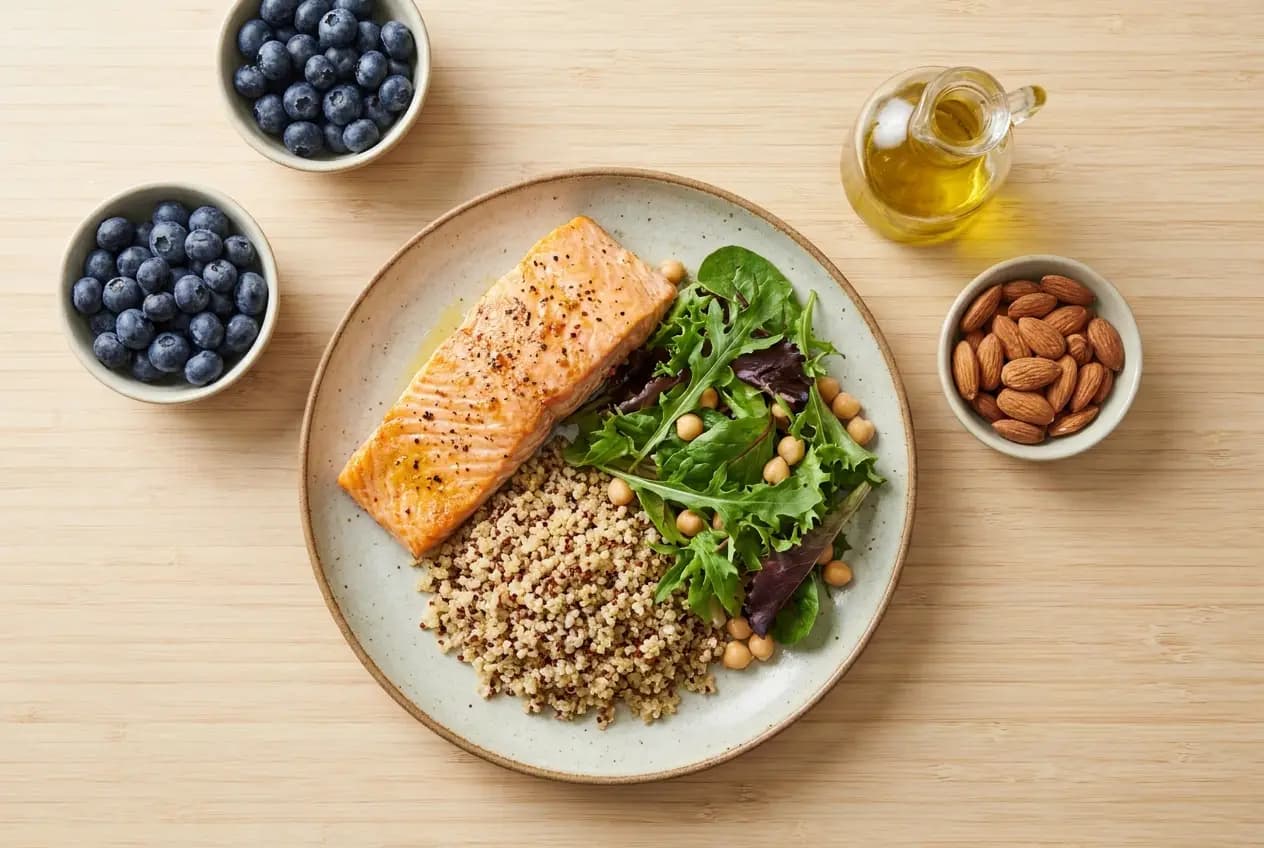
No single diet fits everyone, but because insulin resistance is central to PCOS, many women benefit from meals that steady blood sugar: plenty of fiber, protein, vegetables, and whole grains, with fewer refined carbs and sugary drinks. Regular movement helps insulin sensitivity too. Even modest, sustainable changes can improve cycles and symptoms. Ask your clinician or a dietitian for a personalized plan.
Can you get pregnant with PCOS?
Yes. PCOS is a leading cause of ovulation-related infertility, but many women conceive naturally, and effective treatments exist for those who need help. Managing weight and insulin resistance, ovulation-stimulating medications, and fertility care can all improve your chances. If you're trying to conceive and have irregular cycles, talk to your doctor early rather than waiting.