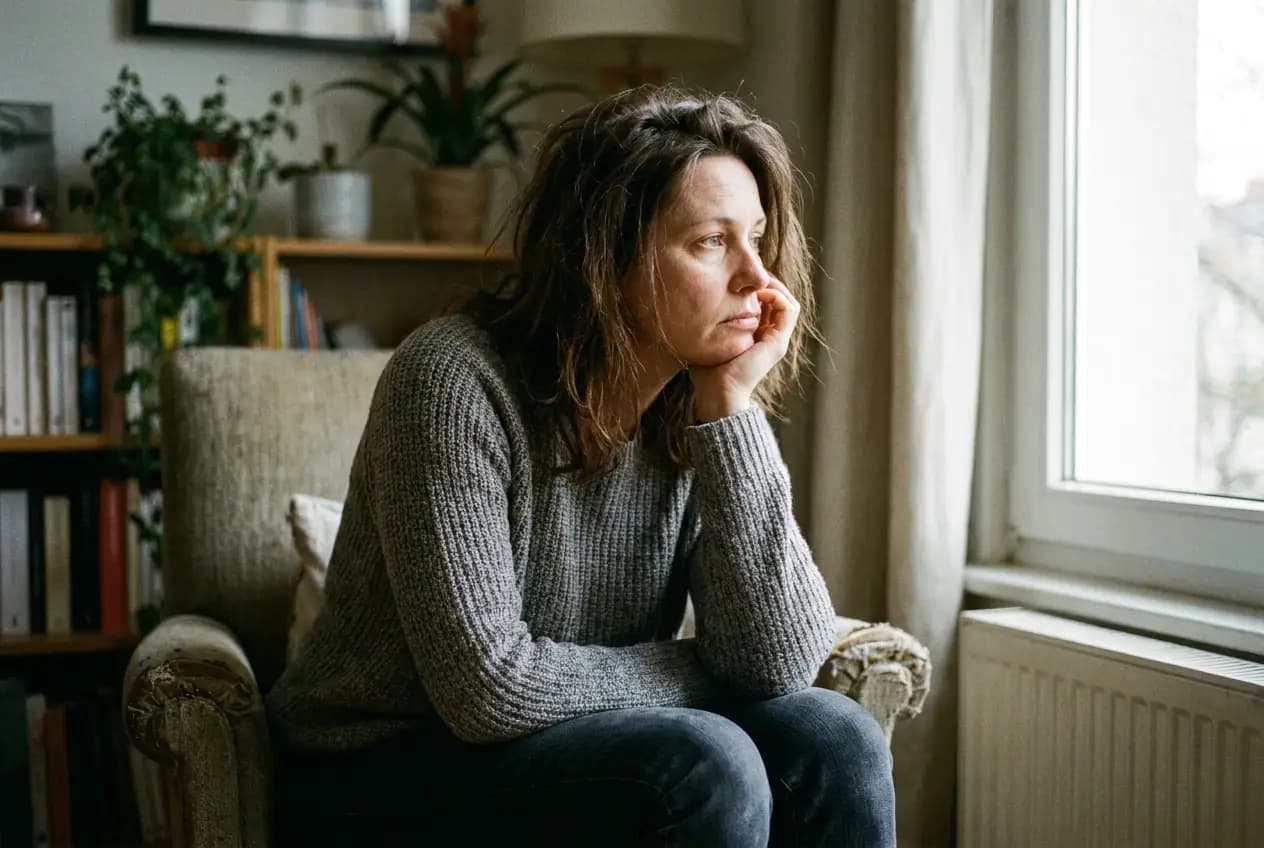
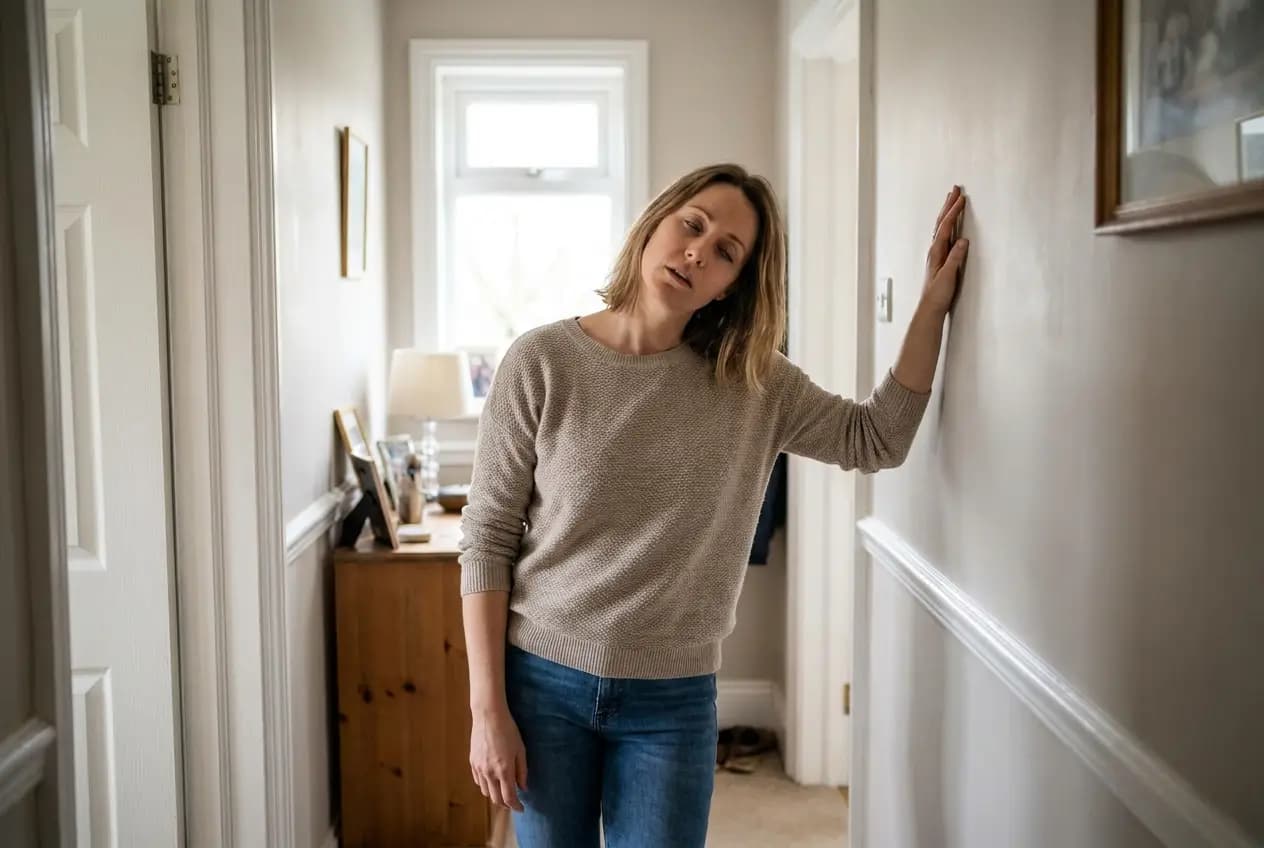
In short: Iron-deficiency anemia happens when your body lacks enough iron to make hemoglobin, the protein in red blood cells that carries oxygen. Without it, tissues get less oxygen, causing fatigue, breathlessness, pale skin, and dizziness. It's the most common nutritional deficiency in women, often driven by heavy periods, pregnancy, or low dietary iron.
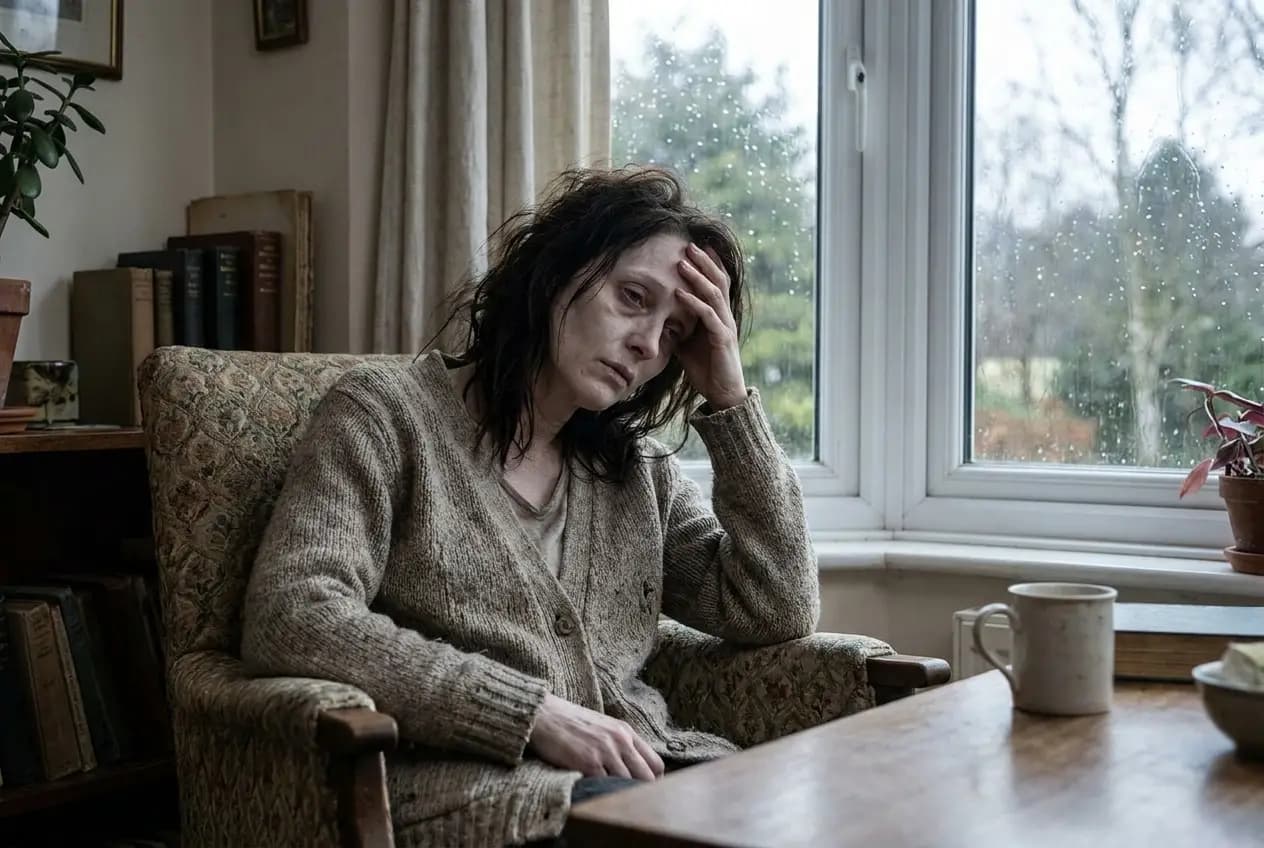
If you've been dragging through your days, feeling winded on the stairs, or noticing your skin looks paler than usual, low iron may be part of the story. Iron deficiency is remarkably common in women, especially those with heavy or long periods, during pregnancy, or in the years around menopause when bleeding patterns can shift. It develops slowly, so many women adapt to feeling tired and don't realize a simple blood test could explain it. The good news: iron deficiency is one of the most treatable causes of fatigue once it's correctly identified.
This hub gathers our evidence-based guides to understanding, testing for, and correcting low iron and anemia. You'll find plain-English explanations of what iron and ferritin (your iron stores) actually measure, how to recognize the early symptoms of iron deficiency, and why women are especially prone to it. We cover iron-rich foods, how to absorb iron better, when supplements make sense, and the red flags that mean you should see a clinician rather than self-treat. Because unexplained anemia can occasionally signal something that needs investigation, a proper diagnosis always comes first.
Frequently asked questions
What are the first signs of iron deficiency in women?
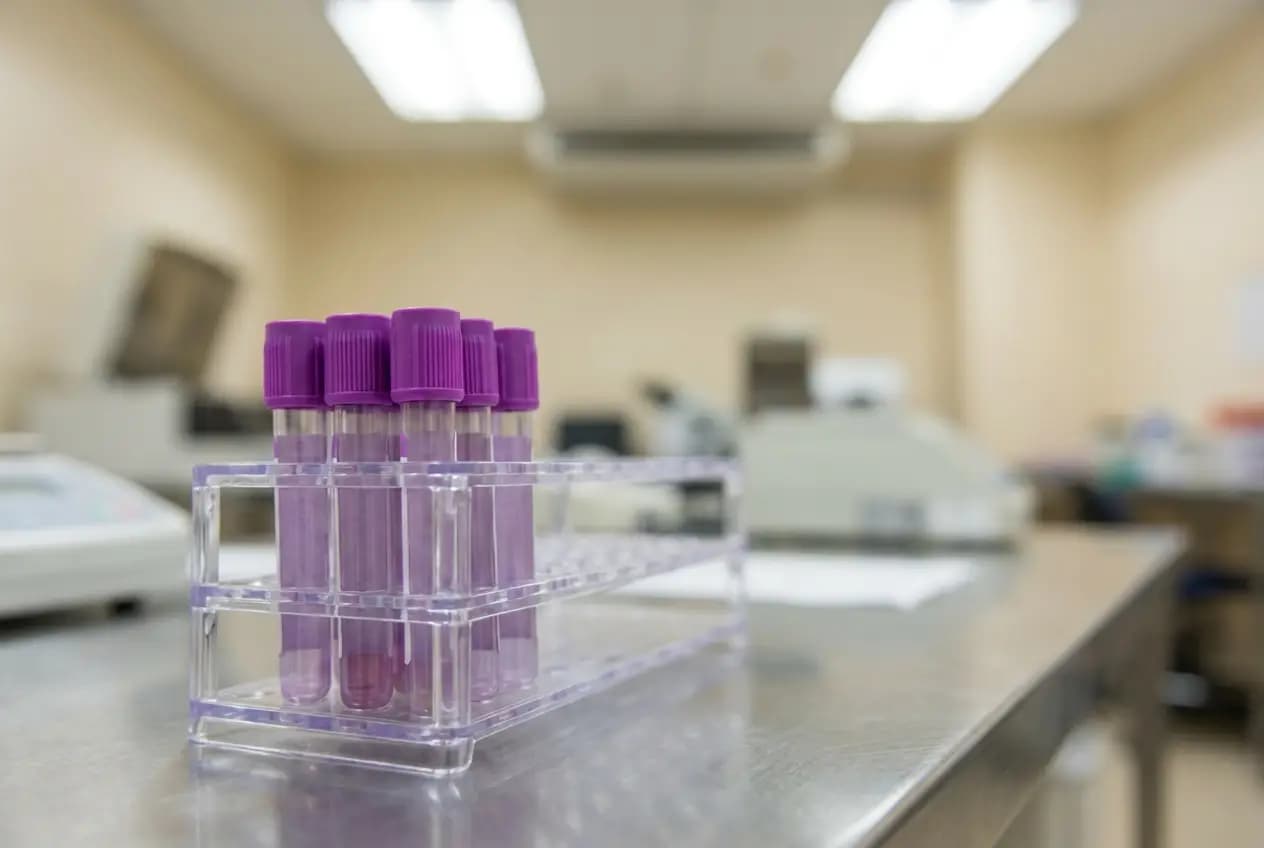
The earliest signs are often unusual tiredness, weakness, and feeling short of breath during everyday activity. Many women also notice pale skin, cold hands and feet, brittle nails, hair shedding, headaches, or a pounding heartbeat. Some develop unusual cravings for ice or dirt (called pica). Because symptoms build gradually, a ferritin blood test is the reliable way to confirm it.
What's the difference between iron deficiency and anemia?
Iron deficiency means your iron stores (measured by ferritin) are low, which can cause symptoms even before anemia appears. Anemia is the later stage, when iron runs so low that your body can't make enough healthy red blood cells or hemoglobin. You can be iron-deficient without being anemic, so testing ferritin often catches the problem earlier than a standard hemoglobin check alone.
Why are women more likely to have low iron?
Menstruation is the main reason: monthly blood loss steadily drains iron, and heavy or prolonged periods raise the risk further. Pregnancy and breastfeeding increase demand, and diets low in red meat or rich in iron-blocking foods add to it. In perimenopause, erratic heavy bleeding can deplete iron quickly. This is why iron deficiency is far more common in women than men.
How can I raise my iron levels naturally?
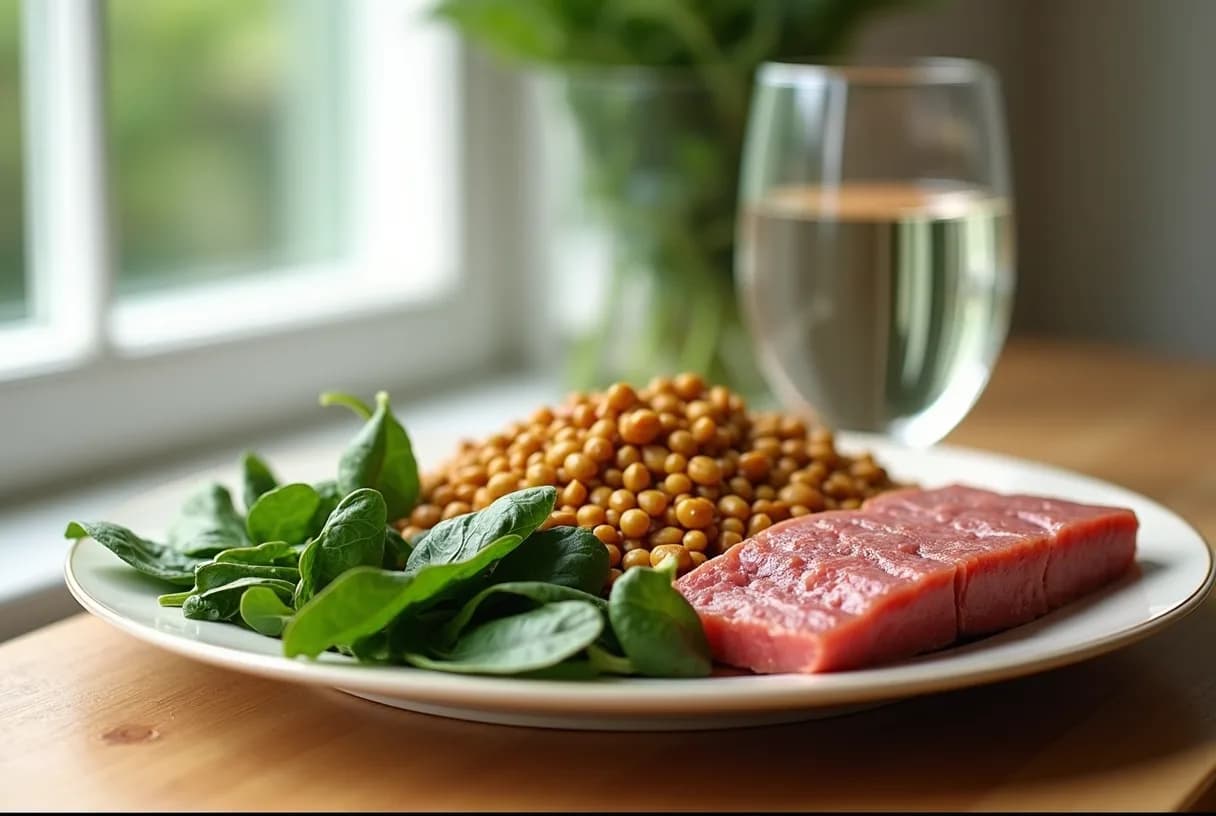
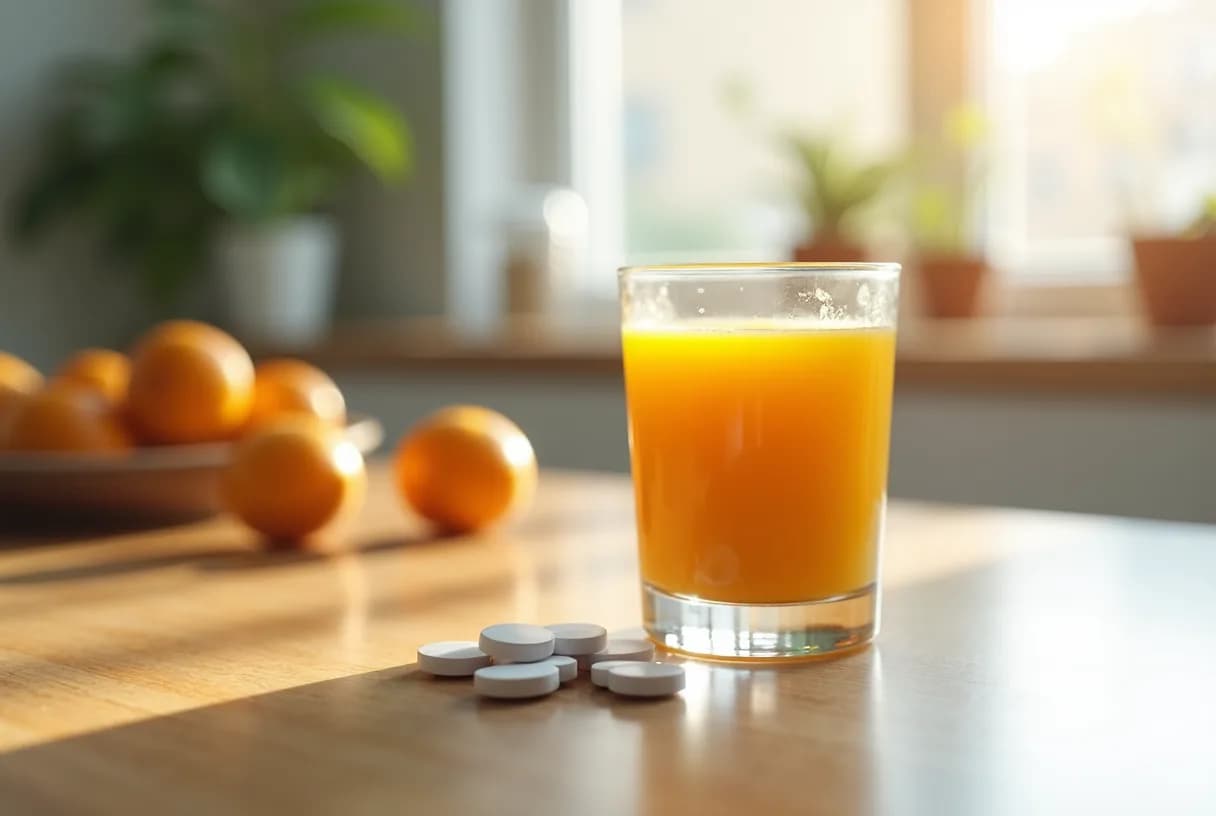
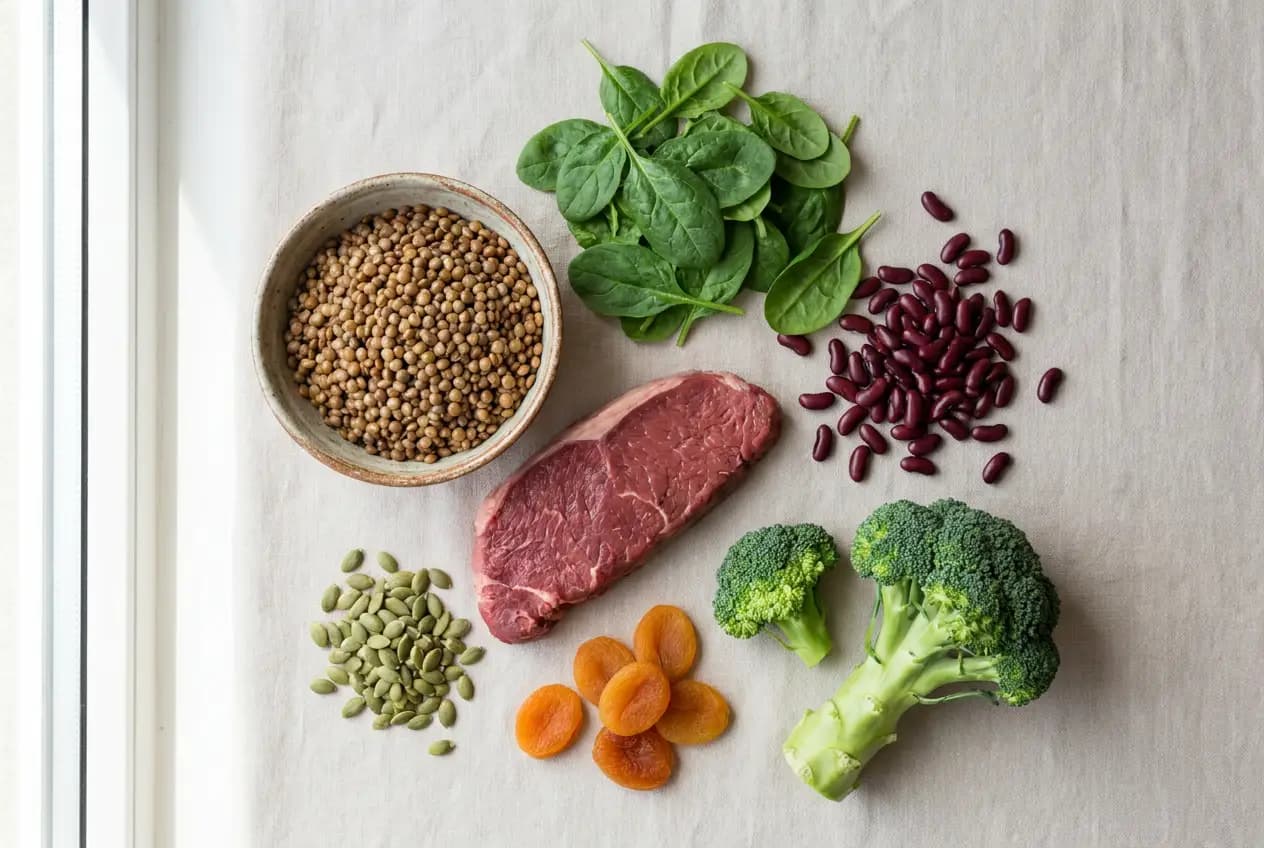
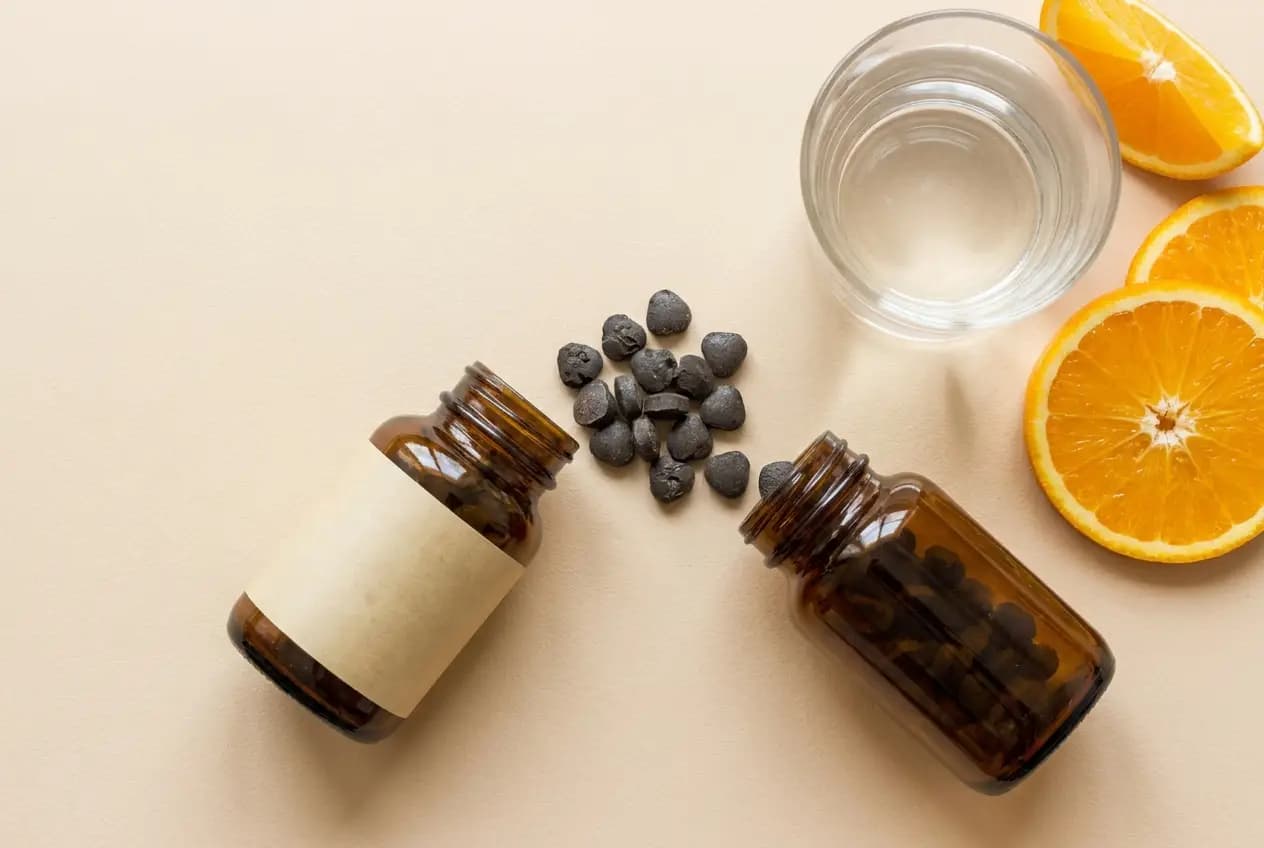
Eat iron-rich foods regularly: red meat, poultry, fish, beans, lentils, tofu, spinach, and fortified cereals. Pair plant-based (non-heme) iron with vitamin C, like peppers or citrus, to boost absorption, and avoid drinking tea or coffee with meals because they hinder it. Diet alone may not correct an established deficiency, so ask a clinician whether a supplement is needed and get retested.
When should I see a doctor about low iron or anemia?
See a clinician if you have ongoing fatigue, breathlessness, dizziness, a rapid heartbeat, or very heavy periods, or before starting iron supplements. It matters because anemia can occasionally point to internal bleeding or another condition that needs investigation. Seek urgent care for chest pain, fainting, or severe shortness of breath. Never self-diagnose long-term supplementation without a blood test first.
How long does it take to recover from iron-deficiency anemia?
Most people start feeling more energetic within two to four weeks of effective treatment, but fully rebuilding iron stores usually takes three to six months of consistent supplementation and diet changes. Your clinician will recheck your blood to confirm levels are rising and stores are replenished. Stopping early is a common reason iron deficiency returns, so follow the full plan and retesting schedule.