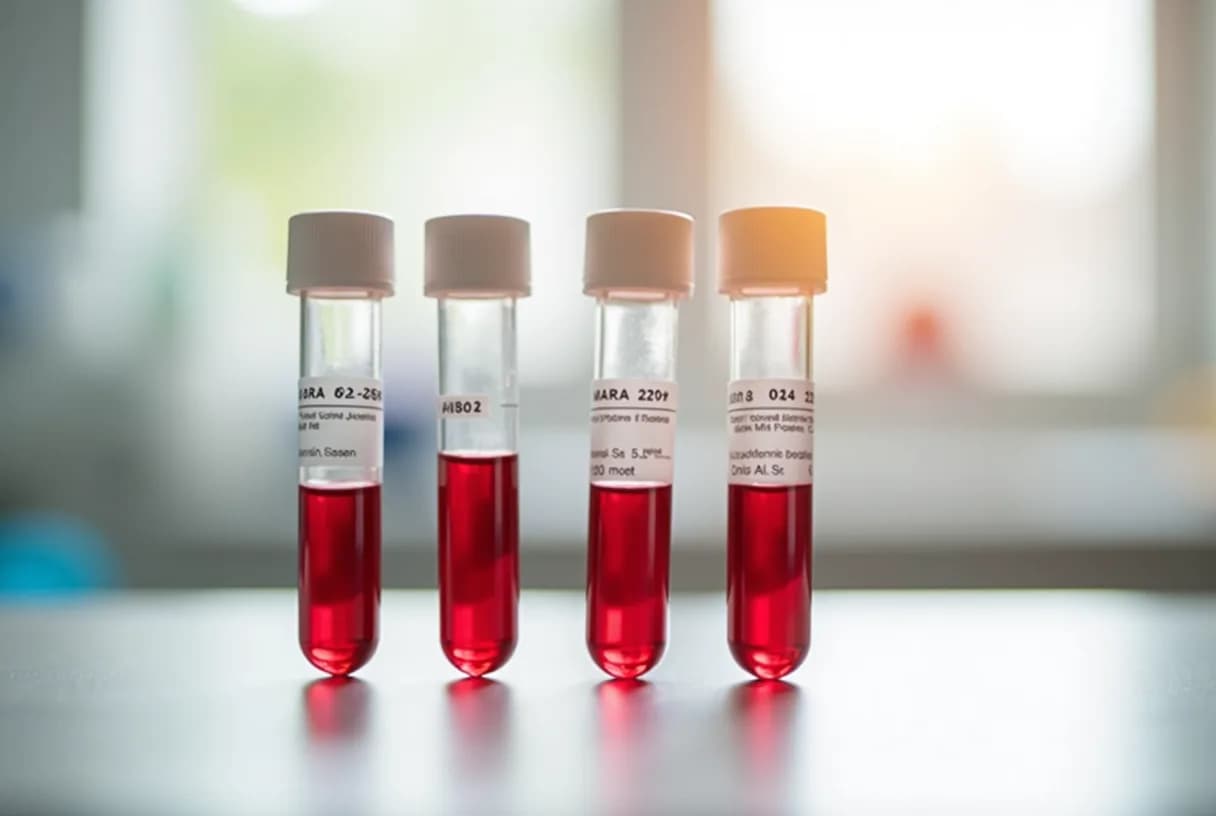
If you have been wondering "why am I so tired?", iron is one of the first things worth checking. Iron deficiency is the most common nutritional deficiency in the world, it disproportionately affects women, and it is a frequently missed reason for persistent fatigue.
What is anemia, and what is iron deficiency anemia?
Anemia means your blood cannot carry enough oxygen around the body, usually because you have too few healthy red blood cells or too little hemoglobin, the iron-rich protein inside red cells that binds oxygen. Iron deficiency anemia is the type caused specifically by a lack of iron: without enough iron, the body simply cannot build enough hemoglobin. It is the most common form of anemia worldwide.
Because every tissue needs oxygen, the symptoms are wide-ranging: tiredness, breathlessness on exertion, a fast or pounding heartbeat, pale skin, headaches, cold hands and feet, brittle nails, and sometimes unusual cravings for non-food things like ice. Iron also matters for normal energy metabolism, which is part of why running low leaves you feeling so flat.
What causes iron deficiency anemia?
Iron deficiency develops when the iron your body loses or uses outpaces the iron coming in. There are four broad routes to it: blood loss, increased demand, low intake, and poor absorption.
| Cause | Who it commonly affects | Notes |
|---|---|---|
| Heavy or frequent periods | Premenopausal women | The single leading cause in this group; even "normal-seeming" periods add up over time. |
| Pregnancy | Pregnant women | Iron demand rises sharply to support the growing baby and increased blood volume. |
| Not enough dietary iron | Anyone, especially vegetarians and vegans | Plant (non-heme) iron is absorbed less efficiently than heme iron from meat and fish. |
| Poor absorption | People with coeliac disease, after gastric surgery, or on certain medications | Acid-lowering drugs and some others can reduce how much iron you take up. |
| Bleeding, often from the gut | Anyone, but a key concern in men and postmenopausal women | Slow, hidden blood loss from the stomach or bowel is a frequent cause and always needs investigating. |
An important warning about hidden bleeding
This point matters enough to stand alone. In men and postmenopausal women, iron deficiency anemia must never be assumed to be dietary. Without monthly periods to explain it, low iron in these groups can signal slow bleeding from the gastrointestinal tract, including from ulcers, inflammation, or, rarely, bowel cancer. The deficiency is a clue, not the whole diagnosis, and the source of bleeding needs to be found. If this is you, please do not simply start iron tablets and move on; ask a clinician to investigate.
Iron, fatigue, and the bigger "why am I so tired?" picture
Iron deficiency is a classic, treatable cause of exhaustion, but it is not the only one, and in midlife several causes often overlap. Thyroid problems, the hormonal shifts around menopause, and chronic stress and anxiety can all leave you flat in similar ways. These causes are distinct, but they can happily coexist, and low iron can sit quietly underneath any of them. The answer is not to guess which one it is; it is to get tested.
How is iron deficiency anemia diagnosed?
Diagnosis is straightforward and starts with blood tests. A full blood count shows whether you are anemic and whether your red cells are smaller and paler than normal, which points toward iron deficiency. A ferritin test estimates your iron stores and is often the most useful single number.
Two honest caveats. First, ferritin is also an inflammation and acute-phase marker, so infection, inflammation, or liver disease can push it up and make stores look falsely normal, masking a real deficiency. Second, where the "low-normal" ferritin line should sit is genuinely debated, and someone with a borderline result and clear symptoms may still benefit from treatment. Both points are reasons to interpret results with a clinician rather than alone.
It is also worth knowing that not all anemia is iron deficiency. Vitamin B12 or folate deficiency, the anemia of chronic disease, and other causes can look similar on the surface but need different treatment. Getting the right diagnosis is what makes treatment work.
How is iron deficiency anemia treated?
Treatment has two parts that go together: replacing the iron, and fixing why it dropped in the first place.
- Oral iron supplements are the usual first step. They reliably rebuild stores over weeks to months. Many clinicians now favour a lower, less frequent dose (such as a single daily dose, or every other day) because it can be gentler on the gut and may be absorbed at least as well; ask yours what suits you.
- Iron-rich food supports recovery and helps prevent a relapse. A varied diet such as the Mediterranean pattern can help. Vitamin C (for example a glass of orange juice) boosts absorption of plant iron, while tea, coffee, and calcium taken at the same meal reduce it. Be realistic, though: food alone often cannot correct an established deficiency quickly, which is why supplements are usually needed first.
- Treating the underlying cause is the part people skip and shouldn't. If heavy periods, coeliac disease, or gut bleeding are driving the loss, the deficiency will keep coming back until that is addressed.
- IV (intravenous) iron may be used when tablets are not tolerated or absorbed, or when iron needs to be restored faster.
- Blood transfusion is reserved for severe cases, for example significant symptoms or very heavy active bleeding.
A safety note: test before you treat
Please do not self-diagnose and self-treat with iron. Too much iron is harmful. Iron overload is a real condition, and it is dangerous in inherited disorders such as haemochromatosis. Iron tablets are also a serious poisoning risk for children, so keep them well out of reach. The safe path is simple: get tested, find out why, then treat with guidance.
What is the typical recovery timeline?
Most people start to feel more energy within a couple of weeks of starting effective iron treatment, as hemoglobin begins to rise. Getting hemoglobin back to normal usually takes a few weeks to a couple of months. Refilling your underlying iron stores, however, takes longer; clinicians often advise continuing iron for several months after blood counts normalize, then rechecking. If you are not improving as expected, that itself is a reason to go back and reassess the diagnosis.
When to check in with a clinician
See a clinician if you have ongoing fatigue, breathlessness, pallor, or other symptoms of anemia, and importantly, to get tested before starting iron. Seek prompt medical attention for any of these red flags:
- Severe breathlessness or chest pain, or a very fast or irregular heartbeat.
- Black, tarry, or bloody stools, or vomiting blood, which are possible signs of gut bleeding.
- Iron deficiency anemia with no obvious cause, especially in a man or a postmenopausal woman, which needs the bleeding source investigated.
This article is general information, not a substitute for personalised medical advice. Your clinician can order the right tests, interpret them in context, and tailor treatment to you.