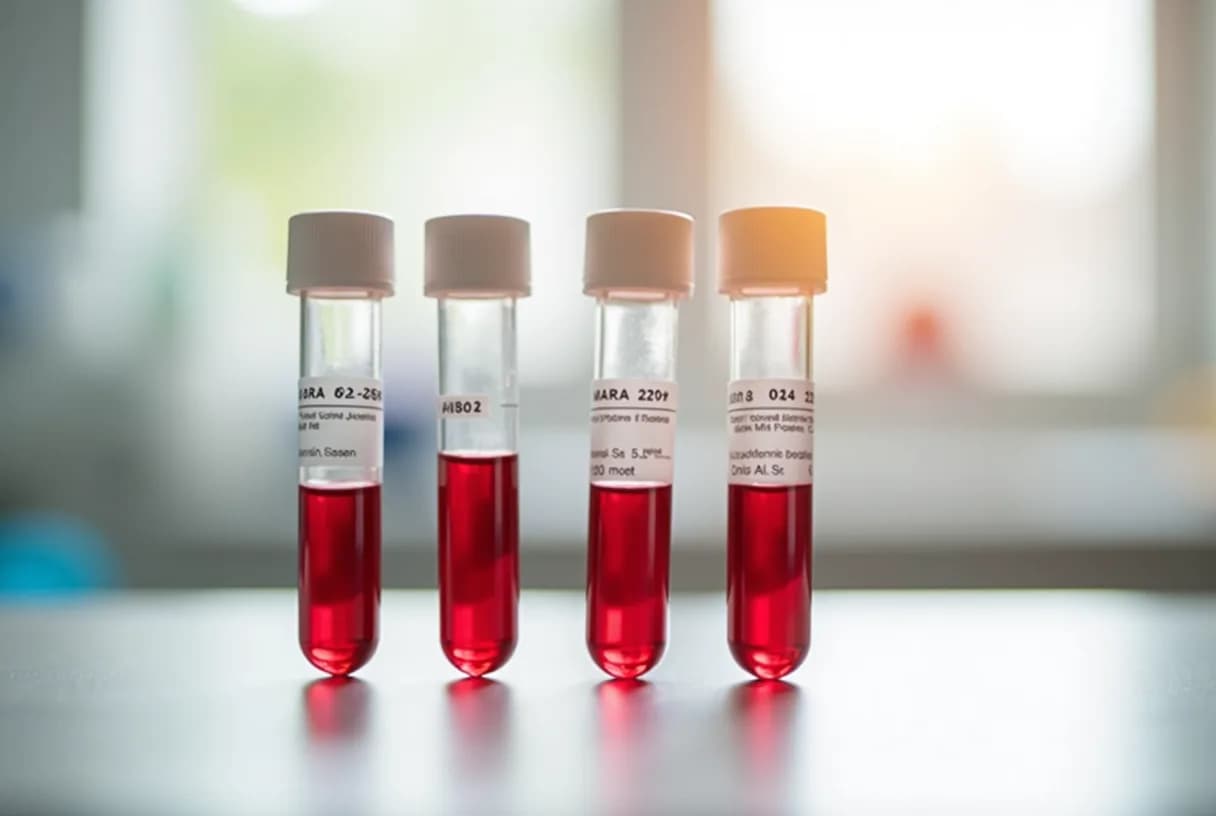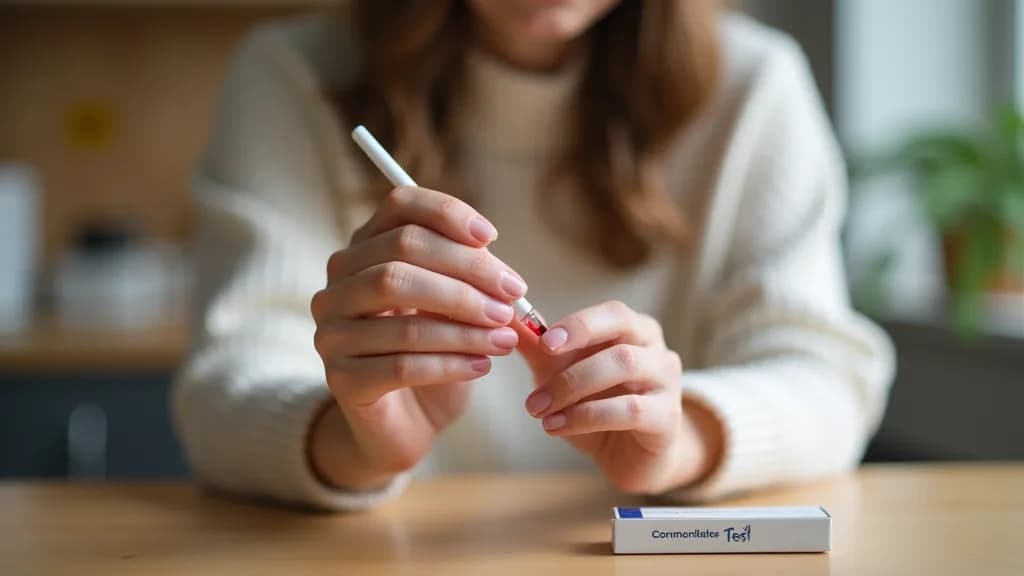
An at-home iron test lets you collect a small finger-prick blood sample and mail it to a lab, which measures ferritin (your body's iron stores) and often other iron markers. Ferritin is usually the first value to drop when iron runs low, so these kits can surface a problem early, before it becomes full anemia. The catch: ferritin is easily distorted by inflammation, and no home result should be acted on, especially with high-dose iron, without a clinician reviewing it.
What an at-home iron test actually measures
"Iron test" is a loose label. Different panels report different markers, and understanding which one you're getting matters, because they answer different questions. The most useful single number for women is ferritin, a protein that reflects how much iron you have banked. Some kits stop there; others add hemoglobin, serum iron, or transferrin-related measures for a fuller picture.
| Marker | What it reflects | Why it matters for women |
|---|---|---|
| Ferritin | Iron stored in the body | Falls first in deficiency; can flag low iron before anemia appears |
| Hemoglobin | Oxygen-carrying protein in red cells | Drops later; a low value signals established anemia |
| Serum iron | Iron circulating right now | Fluctuates with meals and time of day, so it's less stable alone |
| Transferrin / TIBC | The body's capacity to carry iron | Often rises when stores are low, adding context to ferritin |
A key point the Mayo Clinic makes about the ferritin test is that low ferritin points to depleted stores even when a standard blood count still looks normal. That's why ferritin is the marker worth prioritizing if you can only track one.
Why ferritin matters especially for women
Women lose iron through menstruation, and heavy or prolonged periods are one of the most common reasons iron stores quietly drain over months or years. The NHS lists heavy periods, pregnancy, and diets low in iron among the leading causes of iron deficiency anemia. The NIH Office of Dietary Supplements similarly notes that people with heavy menstrual bleeding are among those at higher risk of low iron.
What makes low ferritin sneaky is that symptoms can appear well before you're anemic. You may feel persistently tired, foggy, or breathless on stairs. Some women notice increased hair shedding, brittle nails, restless legs at night, or unusual cravings for ice. None of these prove iron deficiency on their own, but together, and paired with a low ferritin, they're a reasonable prompt to investigate. Our companion explainer on low ferritin symptoms covers this pattern in more depth.
How finger-prick collection works
Most home kits follow the same broad steps, though details vary by provider:
- You warm your hand and clean a fingertip, then use a spring-loaded lancet to make a small prick.
- You either fill a tiny collection tube or dab several drops onto a dried blood-spot card.
- You register the kit, seal the sample, and mail it in the prepaid packaging.
- A partner laboratory analyzes it, and results appear in an app or portal, sometimes with a clinician's note.
A few practical tips improve sample quality: hydrate beforehand, keep your hand warm and below heart level to encourage flow, and follow any fasting or timing instructions to the letter. Because serum iron in particular shifts with recent meals and time of day, standardized timing helps the numbers mean something. The MedlinePlus guide to at-home medical tests advises reading all instructions carefully and treating home-use test results as information to discuss with a healthcare provider, not a final diagnosis.
How to read your results, at a high level
Reference ranges differ between laboratories, and the number printed as "normal" is not always the number that's optimal for how you feel. In broad terms, a low ferritin suggests depleted iron stores, while ferritin in the middle of the range is generally reassuring. MedlinePlus explains that a ferritin test is used both to check for too little iron and, less commonly, too much.
Resist the urge to self-diagnose from a single figure. Two people with identical ferritin can have very different situations depending on symptoms, periods, diet, pregnancy status, and other bloodwork. A clinician can order confirmatory venous testing, check hemoglobin and a full blood count, and look for the underlying cause rather than just the number.
Accuracy and honest limits
At-home ferritin testing can be genuinely useful for screening and for tracking a trend over time, but it has real constraints you should weigh.
Ferritin rises with inflammation, and that can hide deficiency
This is the single most important caveat. Ferritin is an "acute-phase reactant," meaning it climbs when the body is inflamed, fighting infection, or dealing with certain chronic conditions. As Cleveland Clinic notes, ferritin can be elevated by inflammation and other illnesses. The consequence: you can be iron-deficient and still show a "normal" or even high ferritin because inflammation or infection is propping the number up. A recent cold, an autoimmune flare, or a chronic condition can all mask a true shortfall, which is exactly why context and clinical judgment matter.
Iron overload is also possible, and harmful
Testing isn't only about spotting too little. Persistently high ferritin can reflect iron overload or conditions such as hemochromatosis, and too much iron is damaging over time. This is a reminder that "more iron" is never automatically better, and that a high result deserves medical follow-up rather than reassurance. It is also why starting high-dose iron on your own, without knowing whether you are truly deficient, can do harm.
Sampling and lab variability
Finger-prick collection is more prone to user error than a venous draw: too little blood, a squeezed sample, or delayed shipping can affect results. Reputable kits use accredited laboratories, but a borderline or surprising home result is best confirmed with standard lab testing ordered by a clinician.
How to choose a kit without getting sold
Rather than chasing a brand, evaluate the category on a few fair criteria:
- Which markers are included. A panel with ferritin plus hemoglobin or transferrin-related measures gives more context than serum iron alone.
- Laboratory standards. Look for testing through an accredited or certified lab, with clear reporting of reference ranges.
- Clinician involvement. Kits that pair results with a clinician review or clear "see your doctor" guidance are safer than a bare number.
- Transparency about limits. Honest providers state that home results screen rather than diagnose and shouldn't be used to start high-dose iron on your own.
Be skeptical of any test marketed as a complete answer or paired with an aggressive supplement upsell. The goal is information you bring to a professional, not a shortcut around one.
What to do after you test
If your ferritin comes back low and you have symptoms, don't reach straight for a high-dose iron supplement. Excess iron can cause side effects and is dangerous in overload states, and the right dose and duration depend on your full picture. The Office on Women's Health emphasizes working with a healthcare provider to diagnose and treat anemia and its cause. A clinician can confirm the result, identify why iron is low (heavy periods, diet, absorption issues, or something else), and guide treatment. Our guide to iron supplements walks through the trade-offs once a clinician has advised that you need them.
Seek prompt medical care rather than waiting on a mailed result if you have severe or worsening symptoms, such as marked breathlessness, chest pain, a racing heart, fainting, or very heavy or worsening menstrual bleeding. Home testing is a helpful early signal, not a substitute for evaluation when something feels seriously wrong.
The bottom line
An at-home ferritin test is a reasonable, low-friction way to check iron stores, especially if you have heavy periods, ongoing fatigue, or new hair shedding. Ferritin's early sensitivity is its strength, and inflammation is its weakness: a normal number doesn't fully rule out deficiency, and a high number isn't automatically good news. Used as a screening prompt, with results reviewed by a clinician and confirmed when needed, these tests can help you catch a common, correctable problem sooner.