Iron supplements can be genuinely life-changing when you actually need them, restoring energy that low iron has quietly drained. But they are a treatment, not a daily habit for everyone. Here is how to take iron tablets well, what side effects to expect, and the safety rules that matter most.
When iron supplements are appropriate
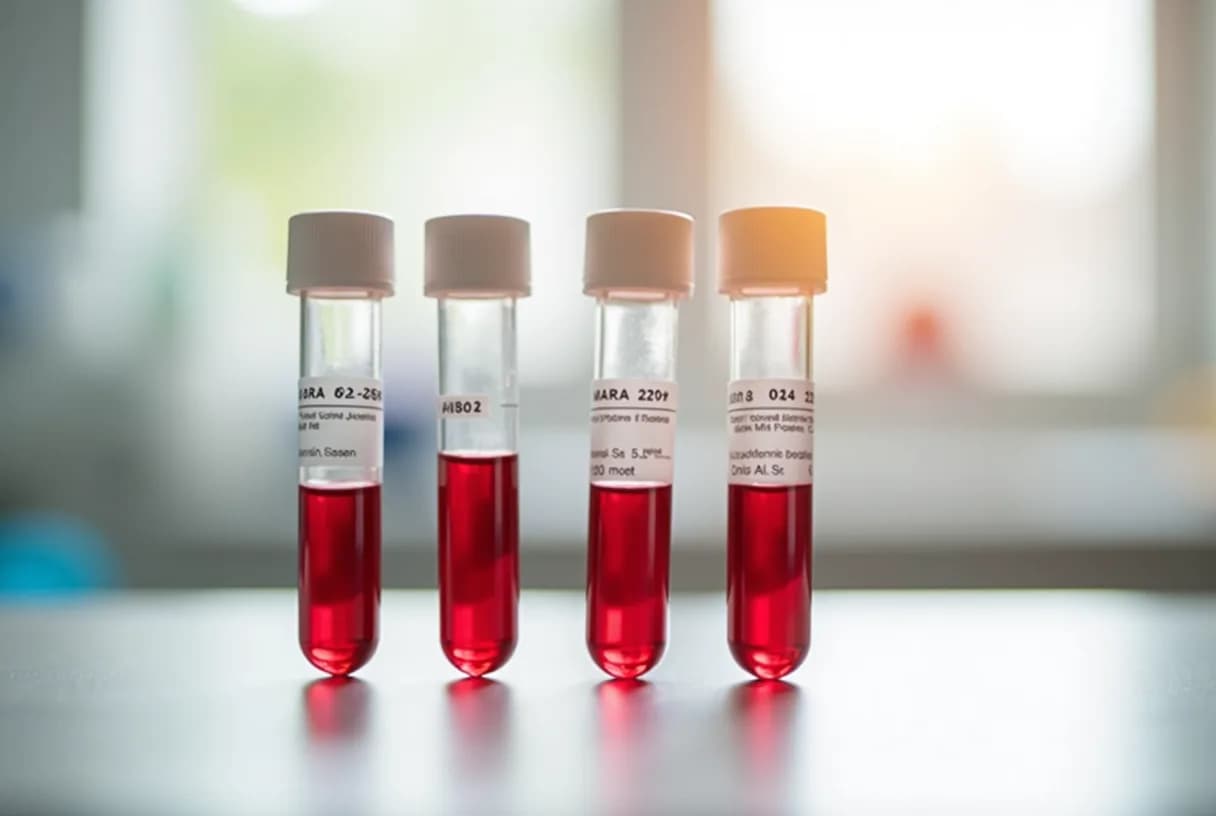
Iron pills are for treating a diagnosed low iron level or anaemia, not a general "just in case" supplement for the whole population. The right first step is a blood test, not a guess. If your ferritin is low, see low ferritin; if you have full-blown iron-deficiency anaemia, that is the context where supplements clearly help. Many women land here because of the symptoms of iron deficiency — fatigue, breathlessness, brittle nails, restless legs.
This matters because iron deficiency is the most common nutritional deficiency in women, largely driven by menstrual blood loss, and it is one of the most often-missed causes of persistent tiredness. It also overlaps with other fatigue drivers: an underactive thyroid (thyroid and fatigue), the hormonal shifts of menopause fatigue, and chronic stress (adrenal fatigue). These are distinct but can coexist, so the answer is testing, not self-prescribing.
Common forms: what "elemental iron" means
Most oral iron is a ferrous salt. The label may say one thing, but the number that actually counts is the elemental iron — the amount of usable iron in each tablet.
| Form | Typical tablet | Elemental iron |
|---|---|---|
| Ferrous sulfate | 325 mg | ~65 mg |
| Ferrous gluconate | 325 mg | ~38 mg |
| Ferrous bisglycinate | varies | often 25-28 mg |
Ferrous sulfate is the cheapest and most studied, which is why it is the usual starting point. Ferrous gluconate carries less elemental iron per tablet, so it is sometimes gentler but may need a higher dose to deliver the same iron. Ferrous bisglycinate, a "chelated" form, is often better tolerated and absorbs reasonably well, though it tends to cost more and is less rigorously studied. Liquid drops and slow-release tablets also exist; slow-release versions can be gentler but may release iron lower in the gut where absorption is poorer. None of these is magically superior for everyone, so the best iron supplement is usually the one you can take consistently without intolerable side effects. Always compare products by their elemental iron, not the total tablet weight, and check the dose with your clinician.
How to take iron for the best absorption
A few simple habits make a real difference:
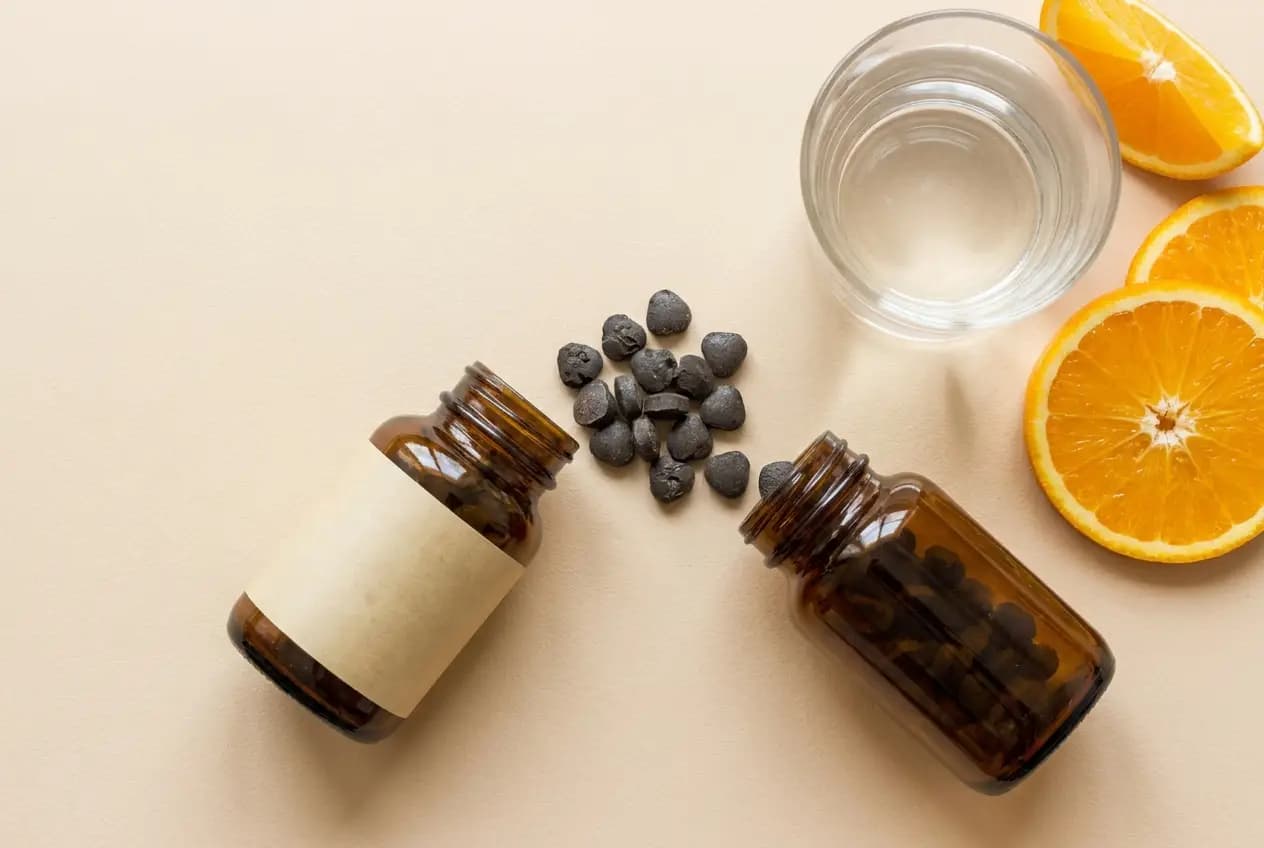
- Add vitamin C. Taking iron with a source of vitamin C — a glass of orange juice, or the supplement with a citrus fruit — helps your gut absorb it.
- Empty stomach, usually. Iron absorbs best between meals. If that upsets your stomach, take it with a little food, accepting slightly lower absorption in exchange for being able to keep taking it.
- Consider less-frequent dosing. Newer evidence suggests that taking iron once daily, or even on alternate days, may absorb as well as (or better than) splitting it into several doses a day — and tends to cause fewer side effects. Taking a big dose appears to briefly raise a hormone (hepcidin) that blunts absorption of the next dose, so spacing doses out can backfire. Ask your clinician what schedule fits your situation.
Common side effects and how to manage them
Oral iron commonly upsets the gut. The usual culprits are constipation, nausea, stomach cramps, and dark or black stools. The dark colour is harmless and expected — it is just unabsorbed iron. To ease the rest:
- Drink plenty of fluids and eat fibre to counter constipation; a stool softener can help short-term.
- If nausea is bad, try taking iron with a small amount of food.
- Switching to alternate-day dosing or a gentler form like ferrous gluconate or bisglycinate often reduces symptoms.
- Do not simply stop without telling your clinician — a tweak usually fixes it.
What not to take it close to
Several everyday things block iron absorption if taken at the same time. Separate your iron dose by a couple of hours from:
- Calcium and dairy (milk, yoghurt, calcium supplements).
- Antacids and acid-reducing medicines (they lower the stomach acid iron needs).
- Tea and coffee (the tannins bind iron).
- Certain medicines, including thyroid hormone (levothyroxine), some antibiotics, and others — check with a pharmacist.
Pairing iron with iron-rich foods and vitamin C, and saving your coffee for later, is a small change that pays off.
How long to keep taking iron
This is where many people stop too soon. Symptoms often improve within weeks, and blood counts can normalise in a couple of months — but your body also needs to refill its stores. That usually means continuing for several months after blood levels normalise, often three to six months in total or longer. Your clinician will arrange recheck blood tests to confirm recovery, and this is where two numbers matter: your haemoglobin can return to normal well before your iron stores do, so ferritin is checked to confirm the tank is genuinely refilled, not just topped up at the surface. One caveat: ferritin is also an inflammation and acute-phase marker, so infection, inflammation or liver disease can push it up and make stores look healthier than they are — another reason to interpret results with a clinician rather than chasing a single number. Good diet supports this work but rarely fixes an established deficiency quickly on its own, and "low-normal" ferritin reference ranges are still debated.
Safety essentials: more is not better
Iron is one supplement where overdoing it is genuinely dangerous.
- Get tested first. Do not take high-dose iron without a blood test confirming you need it. Too much iron is harmful, and some people have haemochromatosis (iron overload), where extra iron accumulates and damages organs.
- Keep iron away from children. Iron tablets are a leading cause of fatal poisoning in young children. Store them in child-resistant containers, out of reach. A suspected iron overdose is a medical emergency.
- Anaemia has many causes. B12 or folate deficiency, chronic disease, and blood loss all cause anaemia, so diagnosis matters before treatment. This is especially true for women navigating iron deficiency in women, where heavy periods are common but not the only explanation.
When to get medical advice
Always start iron only after testing, and ideally with clinician guidance. Seek prompt medical advice if:
- You have not been tested but want to take iron, or your symptoms persist despite supplements.
- You are a man, or a postmenopausal woman, with iron-deficiency anaemia — this should never be assumed dietary and needs investigation, as it can signal gastrointestinal bleeding.
- You have black, tarry stools that are sticky (different from the dull dark of iron), blood in your stool, vomiting blood, severe abdominal pain, chest pain, or breathlessness.
- Your fatigue does not add up — testing can sort iron from thyroid, menopause, or stress causes rather than guessing.
Seek urgent care immediately for a suspected iron overdose, especially in a child, even if they seem well at first.