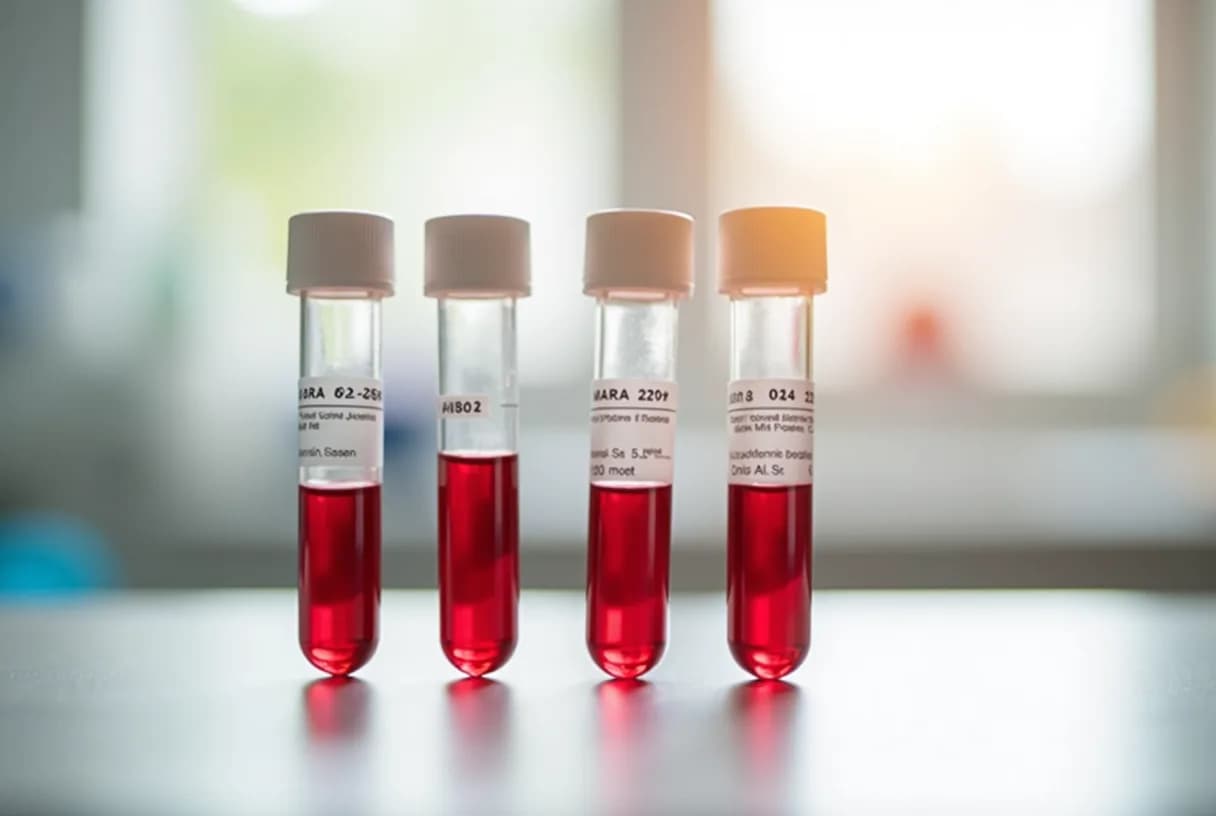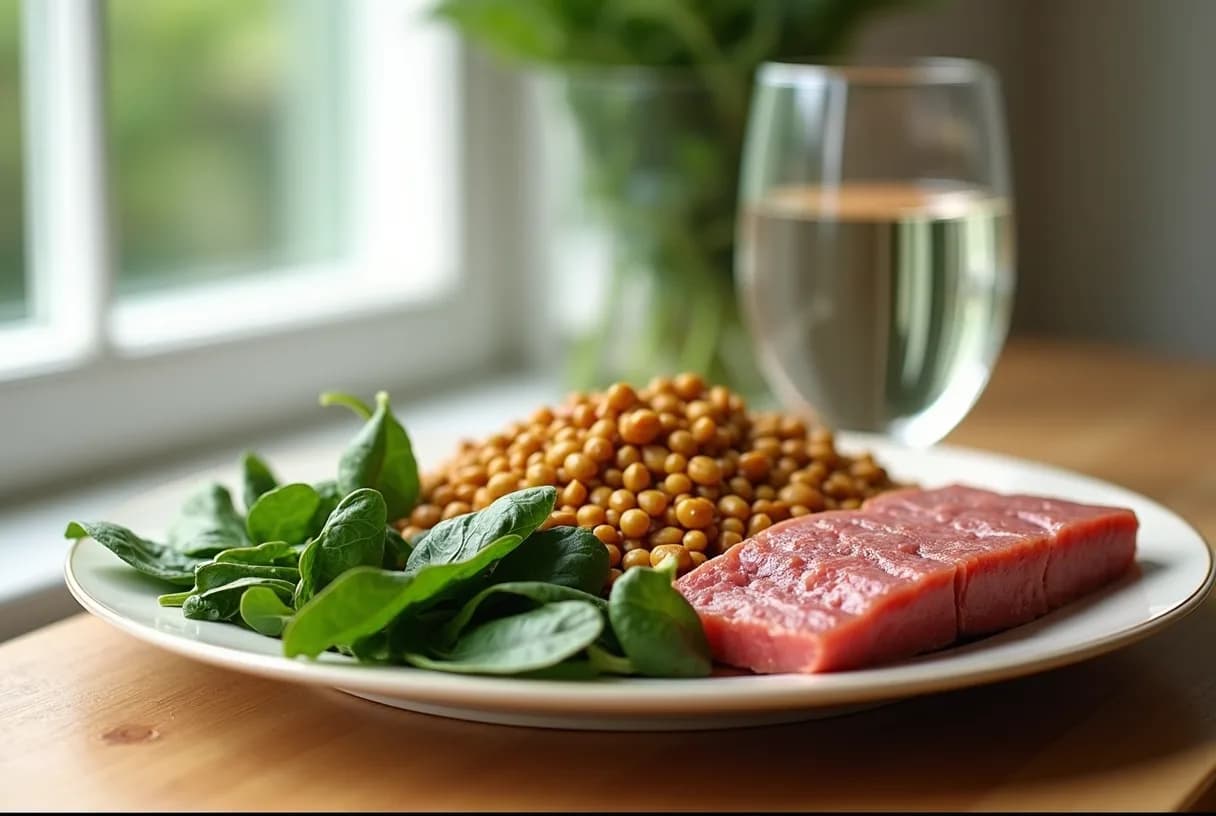
The best iron supplement is the one you actually need — and, unlike most vitamins, iron is only worth taking if a blood test confirms you're deficient. If your ferritin and iron panel come back low, look for a single, clearly labeled iron form (ferrous sulfate, gluconate, fumarate, or the gentler ferrous bisglycinate), the elemental-iron dose your clinician recommends, and an independent quality seal such as USP Verified, NSF Certified, or ConsumerLab Approved. Iron taken without deficiency offers no benefit and can slowly build to harmful levels — which is why postmenopausal women and men rarely need it at all.
Quick verdict
- Best overall A single, clearly labeled ferrous salt (sulfate, gluconate, or fumarate) carrying an independent quality seal, taken only after a blood test confirms you are deficient.
- Best for sensitive stomachs Ferrous bisglycinate, the gentler chelated form, when standard ferrous salts leave you nauseated or constipated.
- Best value Plain generic ferrous sulfate, the most studied and least expensive form, as long as it lists its elemental-iron amount and a quality seal.
- Best for postmenopause and men Usually no iron at all; without confirmed deficiency, pick a multivitamin without iron, since excess iron your body cannot shed can slowly build to harmful levels.
- What to look for An independent seal such as USP Verified, NSF Certified, or ConsumerLab Approved, next to one clearly labeled iron form and its elemental-iron amount.
That gate matters more here than in almost any other supplement guide, so we start there before we talk products.
First, confirm you actually need iron
Iron is a treatment, not a daily-wellness habit. Your body has no efficient way to shed excess iron, so what you don't use accumulates. In people with the common genetic condition hemochromatosis — and, more slowly, in anyone taking iron they don't need — that build-up can damage the liver, heart, and joints. Because menstruation removes iron each month, iron deficiency is common in women who bleed heavily; after menopause that natural protection disappears and the risk flips toward too much iron. The NIH Office of Dietary Supplements and the Linus Pauling Institute both advise that men and postmenopausal women who aren't at risk of deficiency should choose a multivitamin without iron.
So before you buy anything, get tested. Ask your clinician for a ferritin level (your iron stores), a full iron panel, and a complete blood count that includes hemoglobin. Symptoms like fatigue, pallor, breathlessness, brittle nails, or hair shedding can hint at deficiency, but they overlap with thyroid problems, perimenopause, and plenty else — they can't confirm it. If you already have results, our lab-results explainer helps you read them, and an at-home ferritin test is one starting point. Heavy periods are the most common driver in midlife women; if that's you, read why heavy bleeding depletes iron. For borderline-low results, a clinician may suggest starting with iron-rich foods rather than pills. Only supplement once a low number is on paper.
How we chose (and what we don't do)
We do not run a physical testing lab, and we have never hand-tested an iron pill. Any brand we name has to clear two independent bars: (1) it currently holds a certification from an outside testing body — USP Verified, NSF Certified, Informed Sport, or a ConsumerLab pass — that we verified against that body's own public database, and (2) its form and dose are backed by published clinical evidence. We don't accept payment to be listed, ranked, or praised, and no brand can buy a place here. Where we can't verify a current certification, we won't name the product — we'll teach you exactly what to look for instead. How we review products.
Affiliate disclosure: VidaBeacon may earn a commission if you buy through some links on this page. It never changes which products we recommend or what we say about them.
The forms of iron — and which one suits your problem
Iron labels mislead in a predictable way: the big number on the front is usually the weight of the whole iron compound, not the iron your body absorbs. That smaller figure is elemental iron, and it's the one that counts. The RDA is 18 mg/day for menstruating women, 8 mg after menopause, and 27 mg in pregnancy; the tolerable upper limit for adults is 45 mg/day, set because more than that commonly causes gastrointestinal side effects. Treatment doses for diagnosed deficiency often exceed it, but those are prescribed and monitored, not a licence to self-dose.
Ferrous sulfate
The classic, cheapest and best-studied option, and the one nearly every guideline still names first. A "325 mg" tablet delivers about 65 mg of elemental iron — roughly 20% by weight. It works, and it is also the form most likely to cause nausea, metallic taste and constipation, which is why so many people conclude they cannot tolerate iron at all when they have only tried this one.
Ferrous gluconate
About 12% elemental iron, so a 325 mg tablet gives roughly 38 mg. The lower per-pill dose is the point: some people tolerate it better simply because less iron arrives at once. Reaching a treatment dose takes more tablets, which matters if swallowing pills is the obstacle.
Ferrous fumarate
About 33% elemental iron — the most concentrated of the common ferrous salts, so a smaller tablet carries more iron. Useful when the goal is fewer pills, less useful if tolerability is the problem, since the side-effect profile tracks the elemental dose rather than the salt.
Ferrous bisglycinate (chelated iron)
Iron bound to the amino acid glycine. In head-to-head studies it caused fewer gastrointestinal complaints than ferrous sulfate or fumarate at comparable iron doses, which makes it the honest first suggestion for a sensitive stomach. It costs more per milligram, and the trials are smaller than the ferrous-sulfate evidence base — better tolerated is well supported, better absorbed is not settled.
Heme iron polypeptide
Derived from animal haemoglobin, and absorbed by a different pathway than the ferrous salts — one that is far less affected by food, tea, coffee or calcium taken at the same time. That independence is the real advantage. The catch is dose: heme iron products typically supply 10 to 12 mg of elemental iron per capsule, well below a treatment dose, so they suit maintenance more than correcting a deficiency. Not suitable if you avoid animal products.
Liquid, chewable and slow-release iron
Liquid iron lets you titrate the dose in small increments, which is genuinely useful when tablets cause nausea — it also stains teeth, so drink it through a straw and rinse. Chewables are mostly a children's format at doses too low for adult deficiency. Slow-release ("gentle", "delayed release") tablets reduce stomach irritation by releasing iron further down the gut — but iron is absorbed mainly in the duodenum, so releasing it past that point can lower absorption. Better tolerated does not automatically mean better at refilling stores.
Iron combined with vitamin C
Vitamin C keeps iron in the ferrous state and improves absorption of non-heme iron, which is why so many products combine them. Whether the combination beats taking iron alone is less clear than the marketing suggests — a large randomised trial in women with iron-deficiency anemia found adding vitamin C produced no better haemoglobin or ferritin response than iron alone. It is not a reason to avoid combined products, only a reason not to pay a premium for them.
Which form for which problem
| If your problem is… | Reasonable choice | Why |
|---|---|---|
| Nausea on standard iron | Ferrous bisglycinate, or liquid at a low dose | Fewer GI complaints at comparable elemental iron in head-to-head studies |
| Constipation | Bisglycinate, or alternate-day dosing of any form | Constipation tracks the elemental dose and how often it arrives, not the brand |
| Cannot swallow tablets | Liquid iron | Dose is adjustable in small steps; use a straw to protect teeth |
| Taking levothyroxine, calcium or antacids | Heme iron, or separate any form by four hours | Heme absorption is far less blocked by other stomach contents |
| Cost is the constraint | Ferrous sulfate | Cheapest per milligram of elemental iron and the best-evidenced |
| Maintenance after stores are refilled | Lower-dose heme iron or a low-dose salt | Treatment doses are not meant to continue indefinitely |
Whatever the form, the dosing detail that changes results most is frequency rather than product: a dose raises hepcidin, which blocks the next one, so alternate-day dosing absorbs better than daily. Compare specific products with our supplement scorecard, and see our full guide to iron supplements for deeper detail.
What to look for in an iron supplement
| What to look for | Why it matters |
|---|---|
| Confirmed deficiency first | A ferritin/iron-panel result showing you're low. Iron without deficiency gives no benefit and can accumulate to harmful levels. |
| The elemental-iron number | Read the "elemental iron" figure, not the compound weight — it's the amount your body actually uses. |
| A well-studied form | Ferrous sulfate, gluconate, fumarate, or ferrous bisglycinate. Bisglycinate is often gentler on the gut. |
| An independent quality seal | USP Verified, NSF Certified, Informed Sport, or ConsumerLab Approved — because the FDA doesn't pre-approve supplements for quality. |
| An honest, single-ingredient label | A named iron compound with its dose shown. Avoid "proprietary blends" that hide how much iron you're getting. |
| No mega-dosing | Skip products far above what your clinician advised. The adult upper limit is 45 mg/day for side effects; more isn't better. |
| Optional vitamin C | Some pair iron with vitamin C to aid absorption — helpful, though a glass of orange juice does the same job for free. |
What a verified pick actually looks like
To make "third-party tested" concrete: as of this writing, Thorne Iron Bisglycinate (25 mg elemental iron) appears on NSF's official Certified for Sport database, meaning an independent lab confirmed its contents match the label and screened it for banned substances and contaminants. We name it as a verified example of the category, not a paid ranking — and certifications can lapse, so confirm the current seal on the certifying body's site before you buy. USP publishes its own public Verified Products list as well, so you can confirm whether a specific iron product currently carries the USP Verified Mark yourself rather than taking a listicle's word for it.
How to take iron so it actually works
Absorption is where most people lose the benefit. A few evidence-based habits:
- Take it on an empty stomach when you can — about an hour before food or two hours after — since food competes for absorption. If it upsets your stomach, a little food is a fair trade for being able to keep taking it.
- Pair it with vitamin C. Vitamin C enhances absorption of non-heme (supplemental) iron; a citrus fruit or small glass of orange juice works. Whether the extra vitamin C changes outcomes when treating diagnosed deficiency is debated, but it's low-risk.
- Keep it away from calcium, coffee, and tea by roughly two hours — all three meaningfully cut absorption, tea most of all.
- Separate it from levothyroxine by at least four hours. Iron binds thyroid medication and blunts it — a genuinely important interaction. See levothyroxine and supplements, and run your regimen through our interaction checker.
- Consider every-other-day dosing. Randomized trials in iron-depleted women found that a single dose every other day was absorbed as well as — sometimes better than — daily or twice-daily dosing, because daily iron spikes the hormone hepcidin and blunts the next dose, often with fewer side effects too. This is promising evidence, not a universal rule: ask your clinician whether it fits your labs. More on timing your dose.
Managing constipation and other side effects
Constipation, nausea, cramping, and dark stools are the usual complaints, and they're the main reason people quit before their stores refill. To stay on it: drink more water, add fiber, and keep moving; ask about switching to ferrous bisglycinate or a lower elemental dose; try alternate-day dosing; and if needed, a clinician may suggest a stool softener. Dark or black stools from iron are harmless in themselves — see our constipation-relief guide for practical steps. But black, tarry stools with stomach pain, or any red blood, are a reason to call your clinician promptly rather than assume it's the iron.
Who should be cautious — and when to ask a clinician
Supplements aren't regulated like drugs, and iron in particular carries real risk. Be cautious — and talk to a clinician or pharmacist first — if you:
- are postmenopausal or male and haven't been shown to be deficient;
- have hemochromatosis or another cause of iron overload, or a family history of it;
- take levothyroxine, certain antibiotics, or acid-reflux medications;
- have inflammatory bowel disease, ulcers, or ongoing GI bleeding;
- are pregnant — iron needs rise, but the dose should still be guided by testing.
Keep iron supplements out of reach of children: iron overdose is a leading cause of poisoning deaths in young kids. And remember what a supplement can't do — iron corrects iron-deficiency anemia, not fatigue from other causes. If your ferritin is normal and you still feel wiped out, the answer lies elsewhere. This article is for education, not diagnosis; use it to have a sharper conversation with a professional. Need one? Start with find care, and read more across our iron & anemia hub and our iron-deficiency anemia guide.