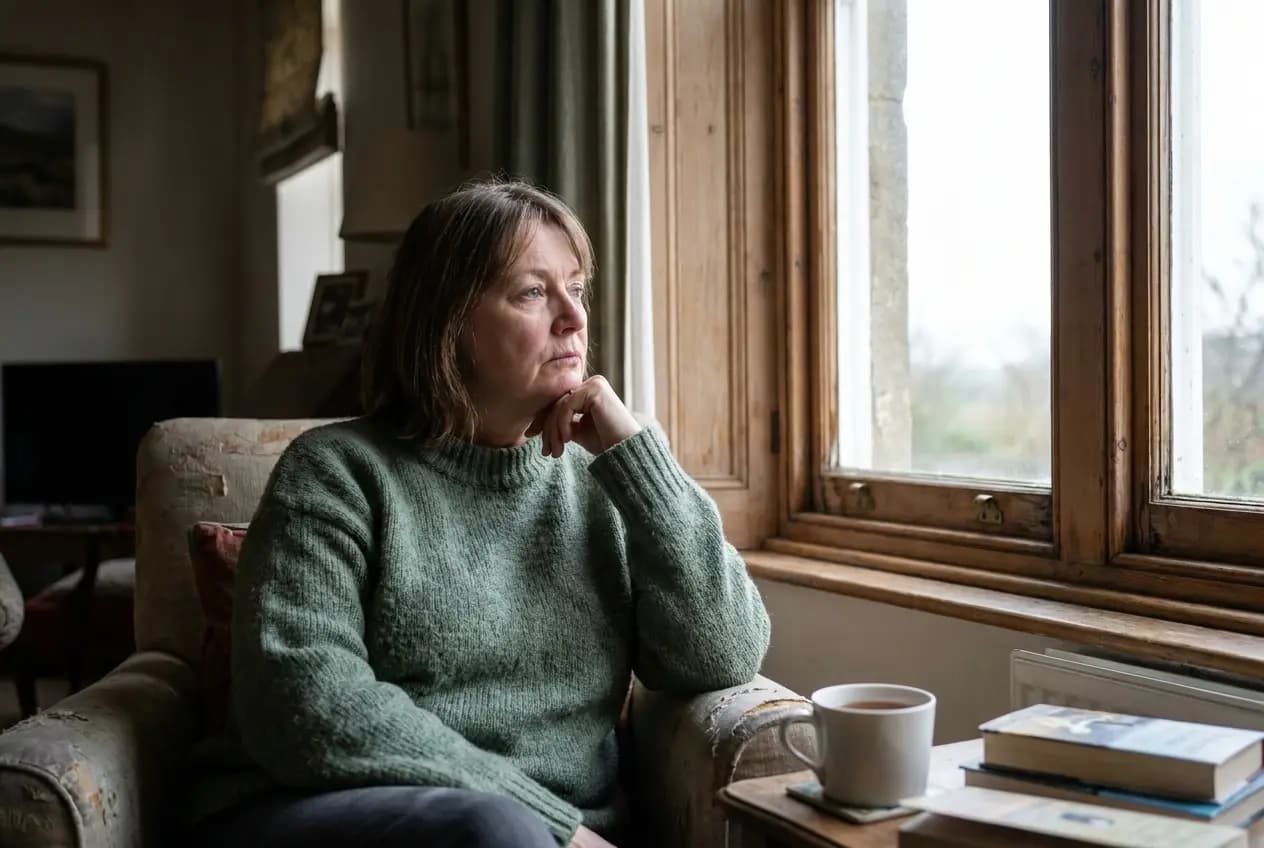
If your periods are changing, your sleep is broken, or hot flashes have arrived out of nowhere, you're likely somewhere on the menopause journey — and you're far from alone. Menopause is officially a single day: the moment you've gone a full 12 months without a period. But the experience most women describe spans years, beginning in perimenopause, when estrogen and progesterone start fluctuating and symptoms like hot flashes, night sweats, mood shifts, brain fog, and irregular cycles can begin — sometimes in your early 40s or even late 30s.
This hub gathers evidence-based, plain-English guidance across the whole transition: what's happening in your body and why, how to tell perimenopause from other causes, the full range of symptoms (including the ones nobody warns you about), and the options for feeling better — from lifestyle and non-hormonal approaches to menopausal hormone therapy. We cover what the research actually supports, where the evidence is still uncertain, and the red flags that mean it's time to see a clinician. Every woman's timeline and symptoms are different, so treat this as a map, not a verdict. If something here resonates, use it to have a more informed conversation with your own healthcare provider.