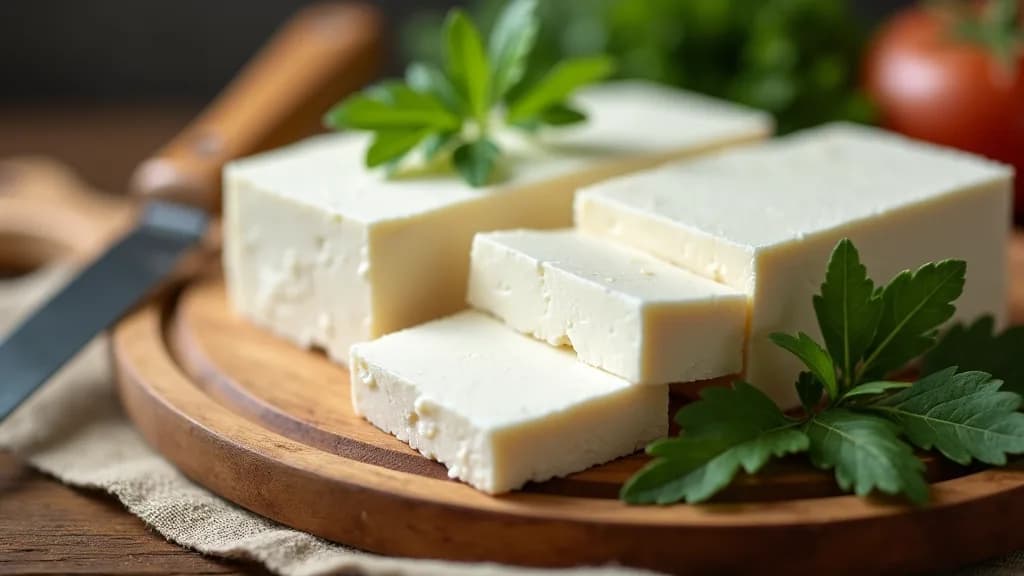
Tofu is a soy-based food made by curdling soy milk and pressing the curds into blocks — a bit like cheesemaking, but plant-based. It delivers complete protein, is often set with calcium (so it can be a meaningful bone-friendly source), and supplies naturally occurring soy compounds called isoflavones. For many women navigating midlife changes in muscle, bone, and heart health, it's a genuinely useful, budget-friendly staple.
This is food guidance, not medical advice. Tofu is a food, not a treatment — and the cautions near the end matter for a small number of people.
Tofu nutrition at a glance
Exact numbers vary by brand, firmness, and whether the tofu is calcium-set, so treat the figures below as widely-known approximate values rather than precise measurements. Firm and extra-firm tofu are more protein-dense than silken because more water has been pressed out.
| Nutrient | Approximate amount | Notes |
|---|---|---|
| Calories | ~70–95 kcal | Higher for firmer/extra-firm |
| Protein | ~8–12 g | Complete plant protein; extra-firm and super-firm often reach ~14–17 g |
| Total fat | ~4–6 g | Mostly unsaturated; low saturated fat |
| Carbohydrate | ~2–3 g | Low |
| Fiber | ~1 g | Modest; not a high-fiber food |
| Calcium | Varies widely (roughly ~150–400 mg when calcium-set) | Little if not calcium-set — check the label |
| Iron | Meaningful amount | Non-heme (plant) iron |
| Isoflavones | Present naturally | Plant compounds, not added |
The single most useful habit is reading the label. Calcium content in particular swings from little to substantial depending on whether the manufacturer uses a calcium salt (calcium sulfate) to set the curd. If bone support is your goal, look for tofu that lists calcium and check the percent daily value.
Why tofu matters in midlife
Protein for muscle
From roughly the 40s onward, women gradually lose muscle mass and strength — a process that speeds up around menopause. Spreading adequate protein across the day, alongside resistance exercise, helps preserve muscle. Tofu offers complete protein (all essential amino acids) with little saturated fat, making it an easy way to add protein to lunch or dinner without much fuss. Pair it with strength training rather than expecting food alone to do the work. Our guide to protein needs in menopause covers how much and when.
Calcium and bone health
Estrogen decline after menopause accelerates bone loss, raising the risk of osteoporosis. Calcium-set tofu can be a helpful contributor to daily calcium — especially valuable if you eat little dairy or follow a plant-based diet. It's not a replacement for a full bone-health plan (which includes vitamin D, weight-bearing exercise, and sometimes medication), but it's a low-effort building block. See our overview of bone health after menopause for the bigger picture.
Heart health
Replacing some red and processed meat with plant proteins like tofu is a pattern that major heart-health bodies broadly endorse. Tofu is low in saturated fat and fits a diet built around vegetables, whole grains, and legumes. The American Heart Association encourages choosing plant proteins such as soy foods among healthy protein options, and the Harvard Nutrition Source frames whole soy foods as a reasonable part of a heart-healthy eating pattern — but most of the benefit comes from what tofu replaces on the plate.
Soy isoflavones and menopause symptoms
Isoflavones are plant compounds that can act weakly like estrogen in the body — which is why soy comes up in menopause conversations. Here it's worth being honest: evidence that eating tofu meaningfully reduces hot flashes is mixed and generally modest, and results differ from person to person (partly due to gut-bacteria differences in how isoflavones are processed). Whole soy foods like tofu are very different from concentrated isoflavone supplements, which are marketed heavily but not the same thing. Enjoy tofu as a nourishing food; don't count on it as a symptom cure. Our soy and menopause explainer digs into what the research actually shows.
How to use and eat tofu
The biggest reason people say they "don't like tofu" is texture and technique, not flavor. Tofu is a blank canvas — it takes on whatever you season it with.
- Choose the right firmness. Extra-firm and firm hold their shape for baking, stir-frying, and grilling. Silken tofu is soft and creamy — great blended into smoothies, sauces, scrambles, or desserts.
- Press firm tofu. Wrap it in a clean towel and set a weight on top for 15–30 minutes to squeeze out water. Drier tofu browns and crisps far better.
- Season boldly. Marinate in soy sauce or tamari, garlic, ginger, citrus, or spices. A light toss in cornstarch before roasting or pan-frying gives a crisp edge.
- Cook it hot. Bake at high heat, air-fry, pan-sear, or grill until golden. Crumble firm tofu into a savory "scramble" with turmeric and vegetables.
- Blend silken tofu into creamy pasta sauces, dressings, or a protein-rich chocolate mousse.
Store opened tofu submerged in fresh water in the fridge, changing the water daily, and use within a few days. Tofu also freezes — thawed tofu becomes chewier and soaks up marinade even better.
Honest downsides and cautions
For most people, tofu is a healthy addition to a varied diet. A few honest caveats:
- It's not high-fiber. Tofu is protein-forward, not a fiber source — pair it with vegetables, legumes, and whole grains.
- Processing varies. Plain tofu is minimally processed; heavily flavored, deep-fried, or ultra-processed tofu products can carry added sodium and fat. Read labels.
- Plant (non-heme) iron is absorbed less efficiently than iron from meat. A squeeze of citrus or other vitamin-C foods with the meal helps absorption.
- The "soy causes breast cancer" worry is largely a myth for whole soy foods. Major cancer and menopause organizations consider moderate consumption of whole soy foods like tofu safe for the general population — and some observational data even suggest a neutral-to-favorable pattern. Concentrated isoflavone supplements are a separate question.
Who should be careful
Tofu is safe for most, but talk with your own clinician if any of these apply to you:
- Soy allergy. Soy is a common allergen; if you're allergic, avoid tofu entirely.
- Estrogen-sensitive conditions. If you have or have had an estrogen-sensitive cancer (such as certain breast cancers), or are on hormone-blocking therapy, ask your oncology team about whole soy foods and especially about isoflavone supplements before adding large amounts. Whole tofu in normal amounts is generally viewed as fine, but your care team should individualize this.
- Thyroid conditions. Soy can, in some circumstances, affect the absorption of thyroid medication (levothyroxine). If you take thyroid medication, keep your soy intake consistent and separate it in time from your medication — and confirm the timing with your clinician or pharmacist. See our note on soy and thyroid.
- Blood thinners (warfarin). There are case reports of soy foods reducing warfarin's effect. If you take warfarin or another anticoagulant, you don't have to avoid tofu, but keep your intake steady rather than swinging from none to a lot, and tell the clinician who manages your dose about any big dietary change.
- On any other medication. If you take prescription medicines, it's reasonable to check whether large dietary changes affect them.
One clear rule: skip megadose isoflavone or "menopause soy" supplements unless a clinician who knows your history recommends them. Concentrated extracts are marketed as symptom fixes, but they are not the same as eating tofu, and the evidence for high-dose supplements is weaker than the marketing suggests.
The bottom line
Tofu earns its place on a midlife plate: complete plant protein for muscle, often a useful calcium contribution for bone, a low-saturated-fat swap for some meat, and a flexible ingredient that takes on any flavor you give it. Treat isoflavone claims with calm skepticism, favor whole tofu over concentrated supplements, and — if you have an estrogen-sensitive condition, a soy allergy, or take thyroid medication, warfarin, or other prescriptions — loop in your clinician. Otherwise, press it, season it well, cook it hot, and enjoy.