Flaxseed is one of the most nutrient-dense small foods you can add to a midlife diet: it delivers soluble and insoluble fiber, plant-based omega-3 fat (ALA), and more lignans than almost any other food. Those lignans are phytoestrogens — plant compounds that weakly mimic and modulate estrogen — which is why flax comes up so often in menopause conversations. The honest summary: flaxseed is a genuinely good everyday food for heart, gut, and overall nutrition, but the evidence that it meaningfully reduces hot flashes is mixed and, at best, modest.
This guide walks through what's actually in flaxseed, why each component matters for women over 40, how to eat it, and who should be careful. This is food guidance, not medical advice.
Flaxseed nutrition at a glance
Values below are widely-cited approximate figures for ground flaxseed (flax meal). Whole and ground flax have the same nutrients, but grinding is what makes them absorbable (more on that below). You can confirm the exact, sourced values for your product using the databases linked under the table.
| Nutrient | Approx. amount | Why it matters in midlife |
|---|---|---|
| Calories | ~75 kcal | Small, satiating addition |
| Protein | ~2.5–3 g | Supports muscle maintenance |
| Total fiber | ~4 g | Digestion, cholesterol, satiety |
| ALA omega-3 fat | ~3 g | Anti-inflammatory, heart-supportive |
| Lignans | Highest of common foods | Phytoestrogen activity |
| Magnesium, phosphorus | Meaningful amounts | Bone and muscle function |
| Thiamin, copper, manganese | Meaningful amounts | Energy metabolism, antioxidant enzymes |
For exact, sourced figures, look up "seeds, flaxseed" in USDA FoodData Central, or see the nutrient rundown at the the Harvard Nutrition Source. Golden and brown flax are nutritionally very similar; choose whichever you prefer.
Why flaxseed matters for women in midlife
Hot flashes: real hope, honest limits
This is where marketing runs ahead of the science. Because lignans are phytoestrogens, flaxseed was studied as a natural option for vasomotor symptoms (hot flashes and night sweats). Results are genuinely mixed: some small, early studies suggested a reduction in flash frequency, but larger and better-controlled trials have generally not found flaxseed to outperform placebo, and systematic reviews of dietary phytoestrogens have not shown a consistent benefit for hot flashes. The placebo response for hot flashes is notoriously large, which makes weak signals hard to trust. So it's fair to say flax is marketed for hot flashes far more strongly than it's been shown to help them. If it helps you, wonderful — but don't expect the reliable relief you'd get from evidence-based treatments. For a broader picture of what does and doesn't work, see the Menopause Society's patient resources and our overview of menopause symptoms and management.
Cholesterol and heart health
This is flaxseed's strongest, most consistent benefit. Regularly eating ground flax has been associated with modest reductions in LDL ("bad") cholesterol, driven by its soluble fiber and ALA content. Cardiovascular risk rises after menopause as estrogen's protective effect fades, so a food that nudges cholesterol in the right direction earns its place. The the Harvard Nutrition Source and the American Heart Association's guidance on fiber both highlight fiber-rich, plant-forward eating for heart protection.
Gut health and regularity
Flax's mix of soluble and insoluble fiber supports regular bowel movements and feeds beneficial gut bacteria. Many women notice digestion shifts in perimenopause, and a spoonful of ground flax in yogurt or oats is a gentle, whole-food way to raise daily fiber — provided you drink enough water alongside it.
Bone and blood sugar
Flaxseed contributes magnesium and phosphorus, minerals involved in bone structure, and its fiber can blunt post-meal blood-sugar spikes. It is not a treatment for osteoporosis or diabetes, but as part of a varied diet it supports both. If bone loss is a concern, pair dietary steps with the fundamentals in our guide to nutrition for midlife health and talk with your clinician about screening.
How to eat flaxseed
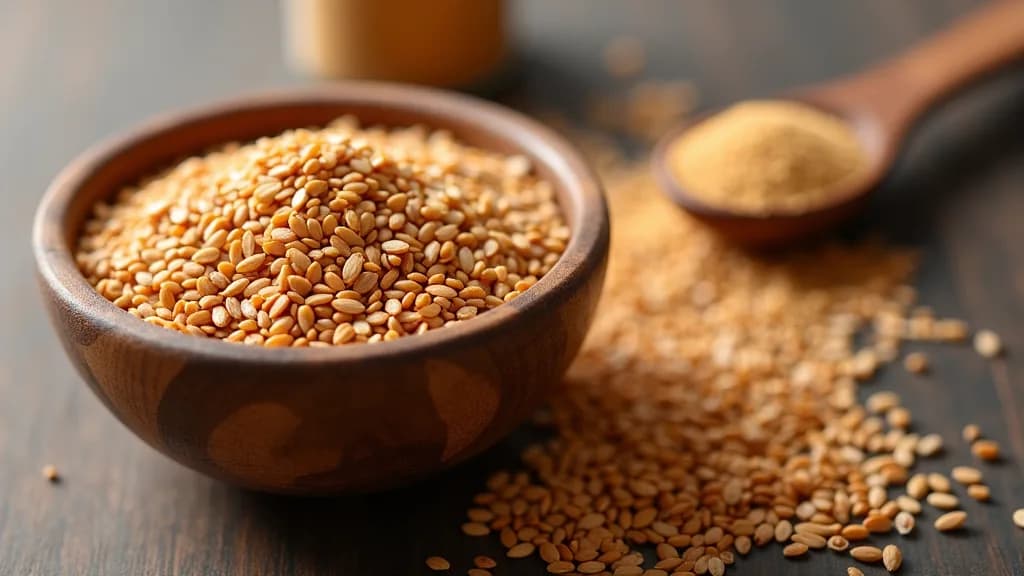
- Grind it. Whole flaxseeds often pass through undigested, so you miss the omega-3s and lignans. Buy ground flax (flax meal) or grind whole seeds in a coffee/spice grinder.
- How much: about 1–2 tablespoons of ground flax daily is a common, sensible amount that most studies used. There's no need to megadose — more is not better, and large amounts can cause bloating.
- Add water. Fiber needs fluid to move comfortably. Drink a glass of water with flax-heavy meals to avoid constipation.
- Easy ways to use it: stir into oatmeal, yogurt, or smoothies; mix into pancake or muffin batter; sprinkle over salads; use as an egg substitute in baking (1 Tbsp ground flax + 3 Tbsp water).
- Storage: ground flax and flax oil oxidize quickly. Keep ground flax in the fridge or freezer and use within a few weeks; store the oil cold and never cook with it.
- Whole seeds vs. oil: flaxseed oil provides ALA but contains no fiber and no lignans — so for menopause-relevant benefits, the ground seed is the more complete choice.
Honest downsides and cautions
Flaxseed is a food, and for most people it's safe. But a few cautions genuinely matter:
- Digestive effects. Ramping up fiber too fast can cause gas, bloating, or constipation. Start with a teaspoon or two and build up over a week, always with adequate fluid.
- Estrogen-sensitive conditions. Because lignans have weak estrogen-like activity, women with a history of breast, uterine, or ovarian cancer — or other estrogen-sensitive conditions — sometimes ask whether flax is safe. Reassuringly, dietary lignans behave very differently from estrogen therapy, and moderate culinary amounts are generally considered fine; some research even suggests neutral-to-favorable effects. Still, if this applies to you, check with your oncologist or clinician before adding concentrated flax or supplements.
- Medication interactions. Flax's fiber can slow absorption of oral medications, so take pills separated from a large flax dose by a couple of hours. Because ALA and high fiber can have mild effects on bleeding and blood sugar, anyone on blood thinners or diabetes or thyroid medication should mention regular flax use to their clinician.
- Supplements vs. food. Be skeptical of high-dose lignan pills and "menopause" flax capsules making bold symptom-relief claims — supplements are loosely regulated, as the NIH Office of Dietary Supplements explains, and the whole ground seed is cheaper and better studied.
- Raw and very large amounts. Raw or immature flaxseed naturally contains small amounts of cyanogenic glycosides, which can release hydrogen cyanide when eaten in very large quantities — so enormous portions of raw flax are best avoided. Ordinary food amounts (a tablespoon or two, and any amount you bake or cook) are considered safe and are what the evidence supports.
Who should be especially careful
Talk with a healthcare professional before making flaxseed a daily staple if you: have a history of an estrogen-sensitive cancer; take anticoagulant ("blood thinner"), diabetes, or thyroid medication; have a bowel condition such as a stricture or diverticular disease; are pregnant or breastfeeding; or are prone to digestive sensitivity. The NHS and Mayo Clinic are reliable places to sanity-check any food–drug concern.
The bottom line
Flaxseed deserves a spot in a midlife pantry — not as a hot-flash cure, but as an easy, affordable, genuinely nutritious food that supports heart health, cholesterol, and digestion while adding plant omega-3s and lignans. Grind it, keep it cold, aim for a tablespoon or two a day with plenty of water, and let it be one steady habit among many rather than a miracle fix. Pair it with the broader dietary and lifestyle strategies that carry the strongest evidence, and bring any medication or medical-history questions to your own clinician.