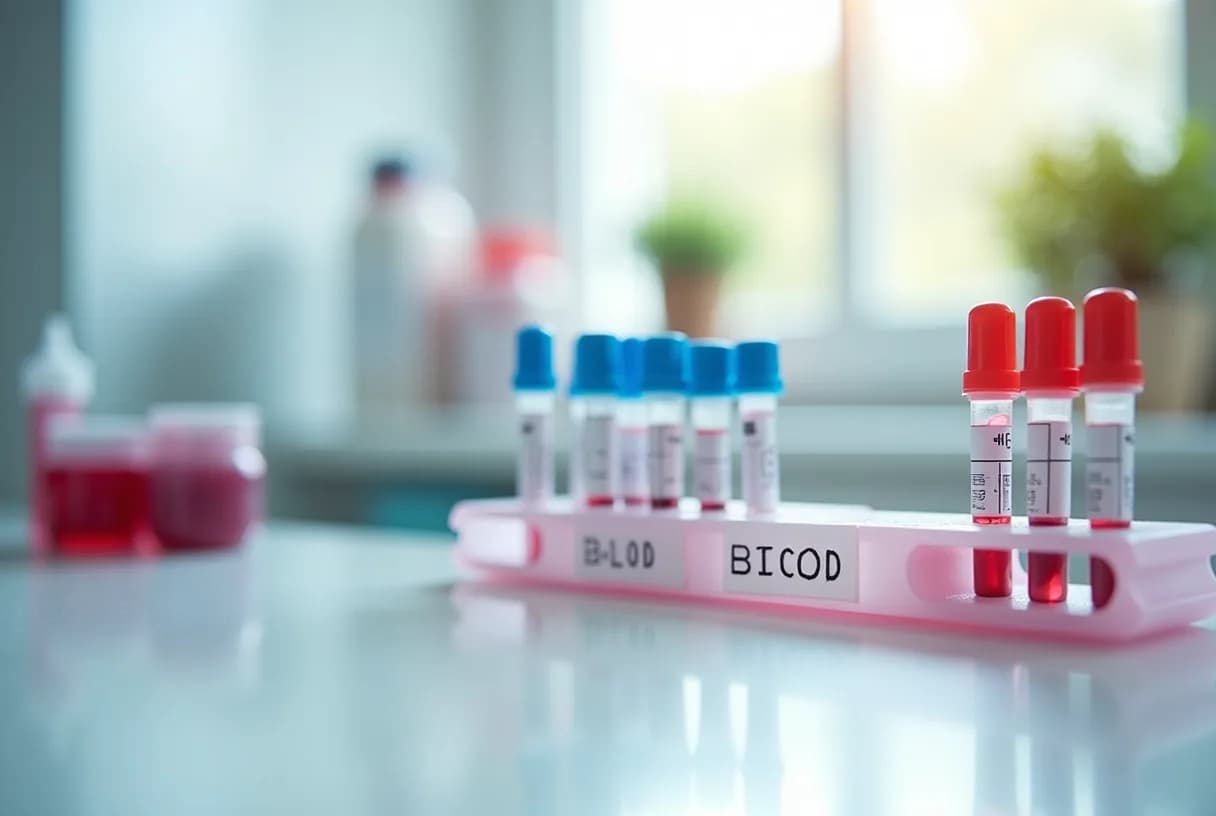
Heart disease is the leading cause of death in women — more than all cancers combined — yet it is often under-recognised, partly because many people still picture it as a "man's disease." It is not. And the years around menopause are when a woman's cardiovascular risk quietly begins to climb.
Why heart disease rises around and after menopause
Before menopause, the body's own estrogen appears to offer some protection to the heart and blood vessels. As estrogen levels fall during the menopause transition, several changes tend to stack up — together raising the risk of menopause heart disease.
Estrogen helps keep blood vessels flexible and supports a more favourable cholesterol balance. As it declines (and you may notice other low-estrogen symptoms too), women often see:
- A rise in LDL ("bad") cholesterol and triglycerides, and sometimes a drop in protective HDL.
- An increase in blood pressure.
- A shift in body fat toward the abdomen, even without much change on the scale — part of common menopause weight gain.
- Stiffer blood vessels and changes in how the body handles blood sugar.
Why do these vascular effects matter so much? Estrogen acts on the cells that line your arteries, helping them relax, stay smooth, and respond to changes in blood flow. As that support fades, arteries can grow stiffer and a little more prone to the plaque buildup that underlies most heart attacks and strokes. It is a gradual shift, not an overnight switch — which is exactly why it is easy to miss until a routine check picks it up.
Menopause usually arrives in the late 40s to early 50s (see menopause age), but aging itself raises cardiovascular risk regardless of hormones. So the years after 50 combine two pressures at once. This is why heart health deserves attention precisely when many other midlife changes are competing for it.
The numbers that matter — used as guidance, not a verdict
Cholesterol and blood-pressure targets are individualized: what's right for you depends on your overall risk, family history, and other conditions. The ranges below are general reference points to discuss with a clinician — not a prescription.
General reference ranges
| Measure | General reference | Notes |
|---|---|---|
| Total cholesterol | Below ~200 mg/dL | One number among many |
| LDL cholesterol | Lower is generally better | Target set by your risk |
| HDL cholesterol | Higher is protective | Often falls after menopause |
| Blood pressure | Below 120/80 mmHg ideal | 120–129 systolic is "elevated" |
If your numbers drift, that's information, not failure. Learn more in our guides to high cholesterol in women and high blood pressure in women, and see how to lower cholesterol with everyday changes.
What protects your heart through midlife
The most powerful tools are everyday habits — first-line, evidence-based, and within reach. They are not a guaranteed substitute for medication if a clinician decides you need it, but they matter enormously.
- Eat a Mediterranean-style pattern. Vegetables, fruit, whole grains, legumes, fish, nuts, and olive oil support heart health. Start with our heart-healthy diet and Mediterranean diet beginner's guide.
- Move regularly. Aim for about 150 minutes of moderate activity a week plus some strength work; see the science-backed benefits of exercise.
- Don't smoke — and seek support to quit if you do. It is one of the single biggest favours you can do your arteries.
- Keep a weight that's healthy for you, with attention to waist size rather than the scale alone.
- Limit alcohol and excess salt, which both nudge blood pressure up.
- Manage cholesterol and blood pressure with your clinician, including medication when appropriate.
None of this has to happen at once. Picking one change — a daily walk, more vegetables, a plan to quit smoking — and building from there tends to last longer than an all-at-once overhaul.
A measured word on hormones
Because estrogen's decline is part of the story, it's natural to ask whether menopausal hormone therapy protects the heart. The honest answer: hormone therapy is not recommended to prevent heart disease. It can be an appropriate treatment for menopausal symptoms in suitable candidates, but starting it specifically to protect the heart is not advised. Timing, benefits, and risks are individualized — a decision to make with a clinician who knows your history, not a heart-protection strategy on its own.
Heart-attack symptoms in women: look beyond chest pain
This is the lifesaving part. Chest pain or pressure is still the most common warning sign of a heart attack in women, just as it is in men — so never brush it off. But women are more likely than men to also have symptoms beyond the chest, such as jaw, neck, or back pain, nausea, or unusual fatigue. Because these can be mistaken for stress, indigestion, or just feeling run down, they are too easily dismissed. Knowing them can save your life.
Common signs, plus those more often missed in women
| Often recognised | More easily dismissed in women |
|---|---|
| Chest pain or pressure | Jaw, neck, back, or shoulder pain |
| Pain radiating to the arm | Nausea, indigestion, or vomiting |
| Cold sweat | Unusual or sudden severe fatigue |
| Shortness of breath | Lightheadedness or feeling faint |
Don't wait to see if it passes. Our full guide to heart-disease symptoms in women goes deeper, and palpitations around menopause are covered in menopause heart palpitations.
Know your personal risk
Heart risk isn't only about menopause. Conditions like hypertension and type 2 diabetes, a family history of early heart disease, and pregnancy complications such as pre-eclampsia or gestational diabetes all raise it. A clinician can put these together with your numbers to estimate your individual risk and decide whether tests or medication make sense. According to the American Heart Association, a risk assessment usually means checking your blood pressure, a cholesterol blood test, your weight and waist, and a few questions about family history and lifestyle — quick, painless steps that help tailor advice to you. Regular check-ups in your 40s and 50s are one of the best investments you can make.
When to see your doctor
Call emergency services (911) immediately — don't wait, and don't drive yourself — if you have chest pain or pressure; pain spreading to the arm, jaw, neck, or back; shortness of breath; a cold sweat; nausea; or sudden severe fatigue. These can signal a heart attack. Chest pain is the most common sign, but in women other symptoms may appear alongside it or on their own, so take them seriously.
For non-emergencies, book a routine visit to check your blood pressure, cholesterol, and overall heart risk — especially around and after menopause, or if you have a family history of heart disease, high blood pressure, diabetes, or you smoke. You can also read how the hormonal shift fits the bigger picture in perimenopause symptoms. Ask specifically about your personal cardiovascular risk and what your individual targets should be. Lifestyle changes are powerful first-line steps, but they don't always replace needed medication — that's a decision to make together with your clinician.