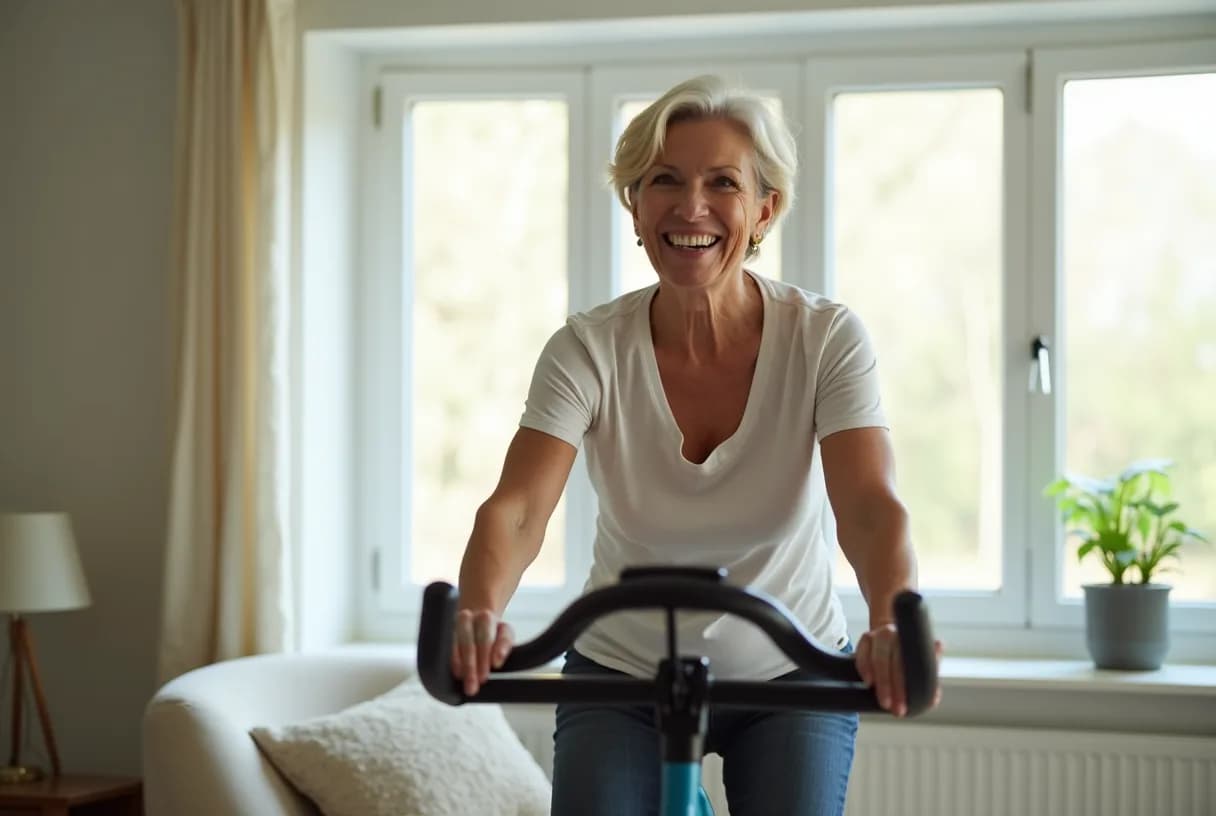
Regular physical activity is one of the most powerful, well-evidenced things you can do for your body and mind. Major guidelines converge on the same target: at least 150 minutes of moderate activity (or 75 minutes of vigorous) each week, plus two days of muscle-strengthening. Do this consistently and you lower your risk of heart disease, type 2 diabetes, several cancers, and early death, while improving mood, anxiety, depression, sleep, memory, and the strength of your bones and muscles.
None of these benefits require a gym membership or an athlete's schedule. Walking, gardening, dancing, cycling, swimming, and carrying groceries all count. Below are ten benefits the science supports, why they happen, and how to put them to work.
Why movement is medicine
Exercise is not one intervention but many. A brisk walk challenges your heart and blood vessels; lifting a weight signals muscle and bone to rebuild; a yoga class shifts your nervous system out of high alert. Each type of movement triggers a cascade of adaptations. The dose response is real: some activity is far better than none, and benefits keep accruing as you do more, up to a point of diminishing (but still positive) returns.
The ten benefits
1. A healthier heart and blood vessels
Aerobic activity strengthens the heart muscle, lowers resting heart rate, improves how blood vessels dilate, and helps control blood pressure and cholesterol. Over time this reduces the risk of heart attack and stroke. The American Heart Association recommends the standard 150-minute weekly target specifically for cardiovascular protection.
2. Lower risk of type 2 diabetes
Working muscles pull glucose out of the blood, and they do so partly without needing insulin. Regular activity also improves insulin sensitivity for hours afterward, so your body manages blood sugar more efficiently. Mayo Clinic lists better blood-sugar control and reduced risk of type 2 diabetes among the best-established benefits of an active lifestyle.
3. Stronger bones and reduced fracture risk
Bone is living tissue that responds to load. Weight-bearing activity (walking, jogging, stair-climbing) and resistance training signal bone to hold onto and add mineral, which matters enormously for women, whose bone loss accelerates around menopause as estrogen falls. Building and preserving bone density lowers the long-term risk of osteoporosis and fractures. The NIH National Institute of Arthritis and Musculoskeletal and Skin Diseases emphasizes both weight-bearing and muscle-strengthening exercise for bone health.
4. Muscle, strength, and independence with age
From roughly midlife onward, adults lose muscle mass and power each decade unless they actively push back. Resistance training (bands, weights, or bodyweight) is the most direct countermeasure, preserving strength, balance, and the ability to climb stairs, rise from a chair, and stay independent. The Physical Activity Guidelines for Americans call for muscle-strengthening on two or more days per week for exactly this reason.
5. Better mood and lower depression risk
Exercise is one of the most reliable non-drug mood boosters. It changes brain chemistry (including endorphins and other signaling molecules), reduces inflammation, and provides a sense of accomplishment and routine. Research summarized by the National Institute of Mental Health supports physical activity as part of caring for mental health, and it is often used alongside other treatments for depression. Exercise is not a substitute for professional care: if you are struggling with depression or having thoughts of self-harm, help is available now — in the US, call or text 988 to reach the Suicide & Crisis Lifeline, and talk with a healthcare provider.
6. Less anxiety and better stress resilience
A single session of activity can lower state anxiety within hours, and regular training appears to dampen the body's stress response over time. Movement burns off the physiological arousal of stress and can act as a form of active relaxation. The NHS recommends exercise as a self-help tool for low mood and anxiety.
7. Sharper thinking and long-term brain protection
Aerobic activity increases blood flow to the brain and supports the growth of new neural connections, particularly in regions tied to memory. In the near term, people often report better focus and mental clarity on days they move. Over the long term, staying active is associated with a lower risk of cognitive decline. CDC guidance highlights improved cognition and reduced dementia risk among the benefits of an active life.
8. Deeper, more restorative sleep
People who exercise regularly tend to fall asleep faster and spend more time in deep sleep. Activity helps regulate the body's internal clock and reduces the racing-mind and physical tension that keep people awake. Mayo Clinic notes improved sleep as a direct benefit. A practical tip: for people sensitive to it, very vigorous exercise in the last hour or two before bed can be stimulating, so experiment with timing.
9. Healthier weight and body composition
Exercise supports weight management, but its role is nuanced. It burns calories and, importantly, builds and preserves calorie-hungry muscle, which supports metabolism. For weight loss specifically, activity works best combined with attention to eating patterns; for maintaining weight loss, regular activity is one of the strongest predictors of long-term success. Just as valuable, exercise improves body composition and metabolic health even when the number on the scale barely moves.
10. Longer life and lower risk of several cancers
Pulling all of this together, large bodies of evidence link regular activity to a lower risk of dying early from any cause, and to reduced risk of several cancers, including colon and breast cancer. The mechanisms overlap with the benefits above: lower inflammation, better hormone and insulin regulation, healthier weight, and a stronger immune surveillance system. The Physical Activity Guidelines for Americans cite reduced cancer risk and lower all-cause mortality among the strongest evidence-based benefits.
How much, and what kind?
The core prescription is simple and flexible. You can split the minutes any way that fits your life.
| Type | Weekly target | Examples |
|---|---|---|
| Moderate aerobic | At least 150 minutes | Brisk walking, easy cycling, gardening, doubles tennis |
| Vigorous aerobic | Or 75 minutes | Running, fast cycling, swimming laps, aerobics |
| Muscle-strengthening | 2+ days | Weights, resistance bands, push-ups, heavy gardening |
| Balance and flexibility | Most days (especially over 65) | Yoga, tai chi, single-leg stands, stretching |
"Moderate" means you can talk but not sing. "Vigorous" means you can only say a few words before pausing for breath. Reducing sitting time also matters on its own: break up long stretches at a desk with short walks or standing.
Getting started safely
These benefits are for general wellness, and the biggest gains come from moving from doing nothing to doing something. Start gradually and build up. A reasonable first goal is a 10-minute daily walk you steadily lengthen, plus one or two simple strength sessions a week.
If you have a chronic condition (heart disease, diabetes, joint problems, high blood pressure), are pregnant, are recovering from illness or surgery, or have been inactive for a long time, check with your doctor before starting a new program. If you feel chest pain, unusual shortness of breath, dizziness, or faintness during activity, stop and seek medical advice.
Making it stick
The best exercise is the one you will actually repeat. Choose activities you enjoy, anchor them to existing habits (a walk after lunch), start smaller than feels necessary, and track your consistency rather than perfection. Social support (a friend, a class, a dog) is one of the strongest predictors of sticking with it. Every bout counts, and it is never too late to start: adults who become active later in life still see meaningful gains in health, mood, and longevity.
Physical activity will not replace every medical treatment, and it is not a cure-all. But among all the things within your control, few match its breadth of proven benefit across the whole body and mind. Talk with your healthcare provider about the right starting point for you.
Related: Resistance work deserves special attention for women — Strength Training for Women explains why and how to start.
Related: If low-impact movement fits your routine best, see whether the simplest option delivers: Walking for Weight Loss: Does It Really Work?