High blood pressure, also called hypertension, is one of the most common and most treatable risk factors for heart disease and stroke. It often causes no symptoms at all, which is exactly why it deserves attention, especially for women moving through midlife.
What blood pressure is and what the numbers mean
Your blood pressure is the force of blood pushing against the walls of your arteries. It is written as two numbers: systolic (the top number, the pressure when your heart beats) over diastolic (the bottom number, the pressure when your heart rests between beats). A reading is given in millimeters of mercury (mmHg).
The table below shows general categories used as guidance. These are not a diagnosis on their own. A diagnosis of high blood pressure is based on repeated readings over time, often confirmed with measurements taken outside the clinic, and always interpreted in the context of your overall health.
| Category | Systolic (top) | Diastolic (bottom) | |
|---|---|---|---|
| Normal | Below 120 mmHg | and | Below 80 mmHg |
| Elevated | 120–129 mmHg | and | Below 80 mmHg |
| Stage 1 hypertension | 130–139 mmHg | or | 80–89 mmHg |
| Stage 2 hypertension | 140 mmHg or higher | or | 90 mmHg or higher |
These ranges follow widely used guidance, but exact thresholds and targets vary between guidelines and between individuals. Your own goal depends on your age, other conditions, and overall risk, which is a conversation to have with your clinician.
The "silent" problem
High blood pressure usually has no symptoms. You can feel completely well while it quietly strains your heart, blood vessels, kidneys, and eyes over years. This is why it is often called the "silent" condition, and why checking matters even when you feel fine. The only reliable way to know your numbers is to measure them.
Why women's risk rises around menopause
Before midlife, women tend to have lower blood pressure than men of the same age. That advantage narrows after menopause. As estrogen falls, blood vessels can become stiffer and less flexible, and many women see their blood pressure climb. This shift is part of why heart disease risk rises around this life stage, a theme we explore in menopause and heart health.
Weight changes during this period can play a role too, as covered in menopause weight gain. To be clear and measured: the menopause link is real, but estrogen or HRT is not recommended as a way to prevent heart disease. Whether hormone therapy suits you is an individual decision about menopausal symptoms, made with a clinician.
A pregnancy history that still matters
Pregnancy can reveal future cardiovascular risk. A history of pre-eclampsia (high blood pressure in pregnancy), gestational high blood pressure, or gestational diabetes is linked to a higher chance of hypertension and heart disease later in life. If this is part of your history, it is worth mentioning at check-ups so your blood pressure is watched more closely.
Causes and risk factors
For most people there is no single cause. Instead, several factors add up:
- Age — blood pressure tends to rise as we get older.
- Family history — hypertension can run in families.
- Weight and body composition — carrying excess weight raises the load on your heart; see body mass index.
- Too much salt in the diet.
- Physical inactivity.
- Drinking too much alcohol.
- Ongoing stress and poor sleep, which can contribute over time.
- Other conditions such as type 2 diabetes or kidney problems.
The encouraging news is that many of these are things you can influence.
Managing high blood pressure: lifestyle first
For elevated readings and many cases of high blood pressure, lifestyle change is the first-line approach, and it can be genuinely powerful. The core steps:
- Cut back on salt. Reducing salt, mostly from processed and packaged foods, can lower blood pressure for many people.
- Move more. Regular activity helps your heart and vessels; read the science-backed benefits of exercise.
- Eat a heart-friendly pattern. A DASH or heart-healthy diet rich in vegetables, fruit, wholegrains, beans, and unsaturated fats supports lower pressure. A Mediterranean-style diet is a practical version of this.
- Reach and keep a healthy weight. Even modest weight loss can help.
- Limit alcohol and avoid smoking.
These same habits also support healthy cholesterol, so the benefits stack up across your whole cardiovascular picture.
When medication is part of the plan
When lifestyle changes are not enough, or when readings are high enough to need quicker action, a clinician may recommend medication. Several types of blood-pressure medicine are available, and the right choice depends on your individual situation, other conditions, and how you respond.
This is a clinician decision, not something to start, stop, or dose on your own. You can read more about the condition and its treatment at hypertension. Importantly, lifestyle and medication work together, and lifestyle is not a guaranteed substitute for medication that you genuinely need.
Home monitoring tips
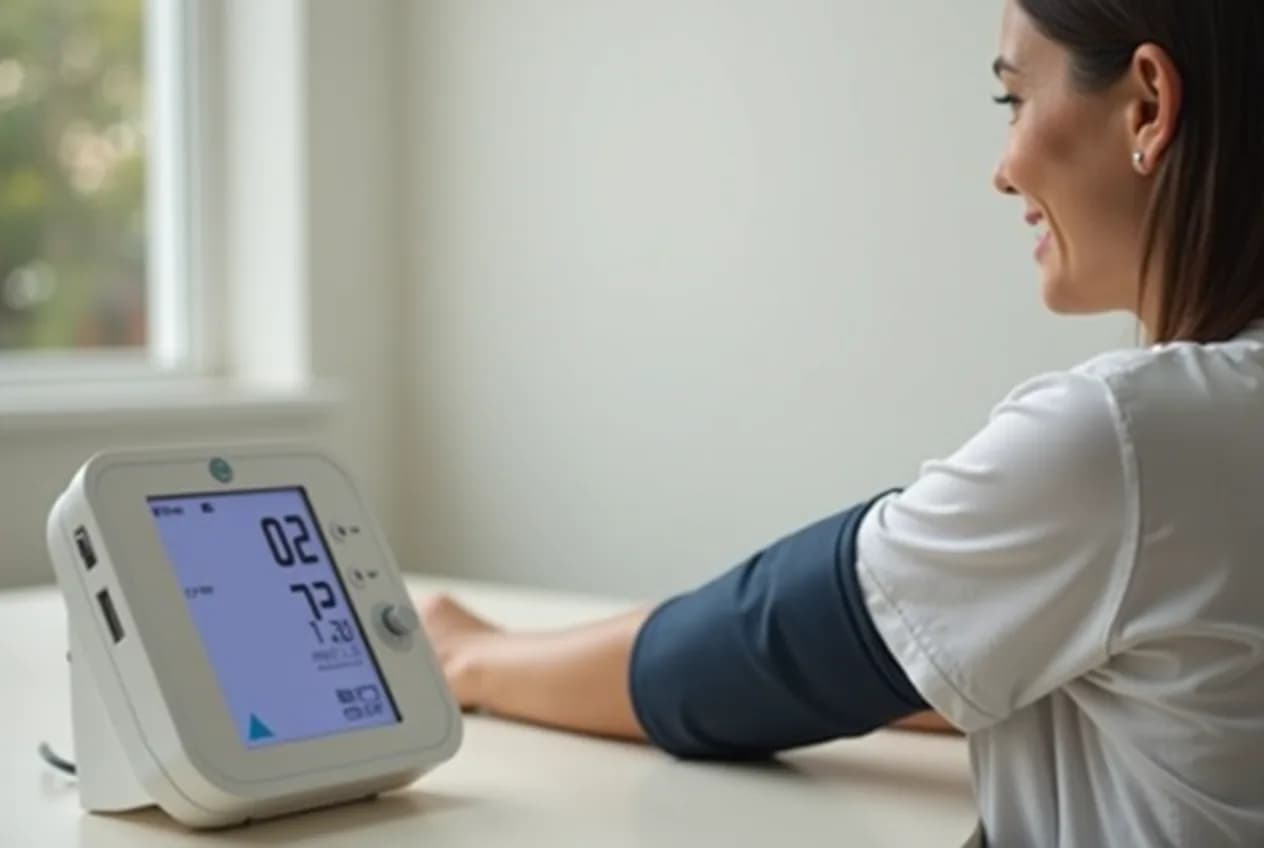
Checking your blood pressure at home can give a fuller picture than occasional clinic visits. A few practical tips:
- Use a validated upper-arm monitor with the correct cuff size.
- Sit quietly for about five minutes first, back supported, feet flat, arm resting at heart level.
- Avoid caffeine, exercise, and smoking for 30 minutes beforehand, and empty your bladder.
- Take two readings a minute apart, ideally morning and evening, and record them.
- Bring your log to appointments. A single high reading is far less meaningful than a pattern over days.
When to see a clinician
Because high blood pressure is usually silent, the most important step is simple: get checked. Ask your clinician how often you should have your blood pressure measured, particularly around and after menopause or if you have a history of pregnancy-related high blood pressure.
Seek urgent medical care if your reading is very high (a systolic of 180 mmHg or higher, or a diastolic of 120 mmHg or higher) together with symptoms such as a severe headache, chest pain, shortness of breath, or changes in your vision. These can signal a dangerous spike that needs prompt attention.
Call emergency services (such as 911) immediately if you have signs of a possible heart attack: chest pain or pressure, pain spreading to the arm, jaw, neck, or back, shortness of breath, a cold sweat, nausea, or sudden severe fatigue. In women these symptoms are more often subtle or "atypical" and easily dismissed, so take them seriously and do not wait or drive yourself. You can learn more in heart disease symptoms in women.
This article is for general education and is not a substitute for personalised medical advice. Blood-pressure targets and any medication are individualised and should be decided with your own clinician.