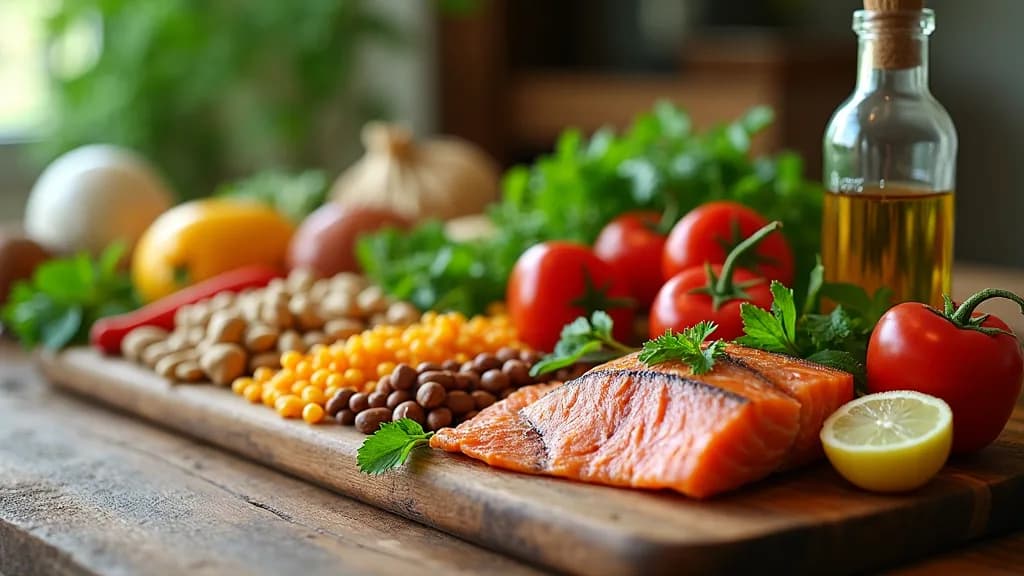
An anti-inflammatory diet is not a single named plan with rigid rules. It is a whole-foods eating pattern built around vegetables, fruit, whole grains, legumes, nuts, seeds, fish and olive oil, with much less ultra-processed food, added sugar and heavy alcohol. In practice it looks a great deal like the Mediterranean diet, and the evidence for it is strongest as a way of supporting long-term heart and metabolic health, not as a cure for any specific disease.
The phrase gets used loosely, so it helps to separate what is well established from what is marketing. Below is what "inflammation" actually means, what the pattern looks like on the plate, what the research does and does not show, and how to think about it honestly if you are in midlife and weighing your options.
What "chronic inflammation" actually means
Inflammation is a normal, useful part of how your immune system works. When you cut your finger or fight off a virus, the body mounts an acute inflammatory response: blood flow increases, immune cells arrive, and the area may become red, warm or swollen. That response is protective and short-lived.
The kind of inflammation linked to diet is different. Chronic, low-grade inflammation is a persistent, low-level activation of the immune system that can simmer for years without obvious symptoms. Researchers associate it with the biology of several long-term conditions, including cardiovascular disease and type 2 diabetes. It is important to be precise here: chronic inflammation is often a feature of these conditions rather than a single switch you can flip off with food. Eating well can influence the environment in which inflammation happens, but no meal plan "eliminates" it.
What an anti-inflammatory eating pattern looks like
Rather than chasing individual "superfoods," the pattern emphasizes what you eat most days. The building blocks are consistent across credible sources and overlap heavily with the Mediterranean diet, as well as with general healthy-eating guidance such as the NHS Eatwell Guide, which frames a balanced diet around plants, whole grains, beans, fish and healthier fats.
| Emphasize most days | Limit or keep occasional |
|---|---|
| Vegetables of many colors, especially leafy greens | Ultra-processed foods and packaged snacks |
| Fruit, including berries and citrus | Sugar-sweetened drinks and added sugars |
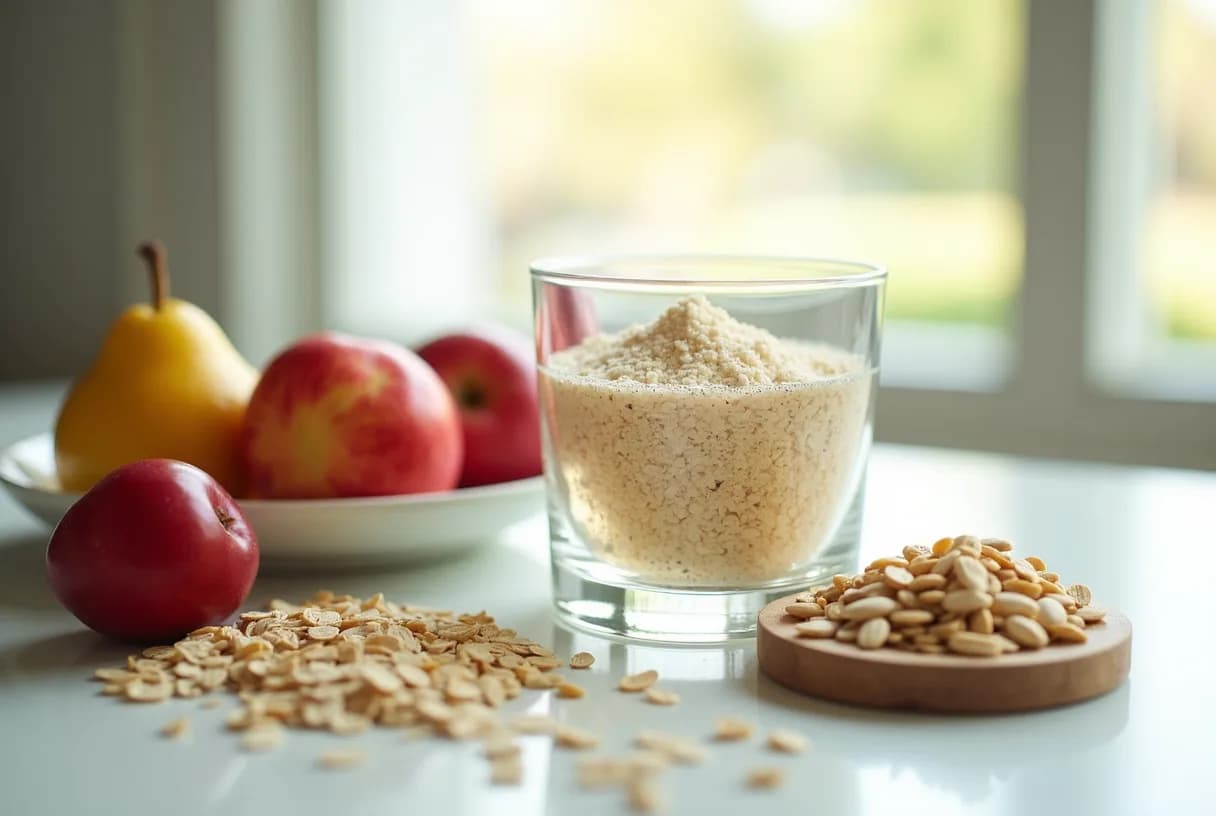
| Whole grains such as oats, barley and brown rice | Refined grains and white flour products |
| Legumes: beans, lentils, chickpeas | Processed and cured red meats |
| Nuts, seeds and extra-virgin olive oil | Fried foods and foods high in trans or excess saturated fat |
| Oily fish such as salmon, sardines and mackerel | Heavy or frequent alcohol use |
A few themes run through the list. It is plant-forward without necessarily being vegetarian. It favors unsaturated fats, particularly olive oil and the omega-3 fats in oily fish, over processed and saturated fats; guidance from MedlinePlus similarly encourages replacing saturated and trans fats with unsaturated ones. And it leans on fiber from whole plants, which feeds the gut microbiome and supports steadier blood sugar. You do not need exotic ingredients or supplements to follow it.
Where herbs, spices and "anti-inflammatory foods" fit
You will see long lists of individual anti-inflammatory foods: turmeric, ginger, green tea, olive oil, fatty fish, berries. Some of these contain compounds studied for effects on inflammatory markers. But the honest framing is that the overall pattern is what the strongest evidence supports, not any single food or spice eaten in isolation. Turmeric on its own is not a treatment; it is one small part of a varied diet. Be especially cautious with concentrated supplements marketed as anti-inflammatory, which are not the same as eating the whole food and can interact with medications.
What the evidence actually says
The most robust evidence comes from research on the Mediterranean diet, which shares nearly all of the anti-inflammatory pattern's features. Health authorities including the National Heart, Lung, and Blood Institute and Mayo Clinic describe this pattern as supportive of cardiovascular health and associated with lower risk of heart disease. Diets rich in vegetables, fruit, whole grains and unsaturated fats are also linked to better blood pressure, cholesterol and blood sugar control.
What is genuinely supported:
- Eating patterns high in whole plants, fish and olive oil are associated with lower cardiovascular risk over time.
- Reducing ultra-processed foods, added sugar and refined grains supports healthier weight and metabolic markers for many people.
- Some studies show that shifting toward this pattern can lower certain blood markers associated with inflammation, though the size and meaning of those changes vary between individuals.
What is not established, and where you should be skeptical of bold claims:
- No diet has been shown to cure, reverse or replace medical treatment for arthritis, autoimmune disease, heart disease, diabetes or cancer. Framing food as a cure is not supported by the evidence.
- Effects on symptoms differ from person to person. Some people with inflammatory conditions notice they feel better eating this way; that is worth paying attention to, but it is not proof the diet is treating the underlying disease.
- "Anti-inflammatory" food scoring systems and detoxes marketed online often overstate what a specific food can do.
Think of an anti-inflammatory diet as a foundation that supports your overall health and complements medical care, not as a treatment you substitute for it. If you have a diagnosed condition, keep taking prescribed treatment and talk with your clinician before making major changes.
Why this matters in midlife
The years around menopause bring shifts in cholesterol, body composition and how the body handles blood sugar, and cardiovascular risk rises with age. That makes an eating pattern with good evidence for heart and metabolic health especially worth considering during this stage of life. The Menopause Society and other bodies emphasize that lifestyle foundations, including diet, physical activity and sleep, are part of managing health through the transition, alongside any medical care you and your clinician choose.
Importantly, an anti-inflammatory pattern is not a menopause treatment either. It will not replace hormone therapy or other prescribed care where those are appropriate. It is one of several supportive habits that can help you feel and function better while you address symptoms and long-term risk with a professional.
How to start without overhauling everything
The pattern is forgiving, and small consistent changes tend to stick better than dramatic restriction. A few practical steps:
- Aim to fill half your plate with vegetables and fruit at most meals.
- Swap refined grains for whole grains where it is easy: oats at breakfast, whole-grain bread, brown rice or barley.
- Add a serving of legumes a few times a week, and include oily fish once or twice a week if you eat fish.
- Use extra-virgin olive oil as your main cooking and dressing fat, and snack on nuts instead of packaged snacks.
- Cut back gradually on sugar-sweetened drinks and ultra-processed foods rather than banning them outright.
There is no requirement to buy special products, follow a numbered "phase," or take supplements. If anything, a diet that depends on expensive powders is a signal to be cautious.
When to talk to a clinician
Diet changes are generally safe, but a few situations call for professional input. Speak with your doctor or a registered dietitian if you have a diagnosed condition such as heart disease, diabetes, kidney disease or an autoimmune disorder; if you take medication that interacts with diet, including blood thinners; if you are considering supplements marketed as anti-inflammatory; or if you are making major changes and want them tailored to your needs. A clinician can help you fit this pattern to your medical situation rather than around generic online advice.
The bottom line is reassuring and modest at once. An anti-inflammatory diet is a sensible, well-evidenced way to eat that overlaps almost entirely with the Mediterranean pattern doctors already recommend. It can genuinely support your long-term health. It just is not, and should not be sold as, a cure.
Related: Omega-3 fats are central to an anti-inflammatory pattern — see Omega-3 (Fish Oil) for Women.
Related: Curious about the golden spice? Turmeric and Curcumin weighs the anti-inflammatory evidence and the cautions.
Related: Staying well-hydrated supports the same anti-inflammatory goals as your food choices, so it helps to know How Much Water Should You Actually Drink Per Day?
Related: Before spending money to pinpoint inflammatory trigger foods, see what the evidence says about At-Home Food Sensitivity Tests: What the Science Really Says and why elimination diets often work better.