Short answer: Seed cycling — flax and pumpkin seeds in the first half of your cycle, sesame and sunflower in the second half — has no clinical trial evidence that it "balances" hormones or treats PMS, PCOS or menopause symptoms. The mechanism is theoretical, and the rotation protocol has never been shown in humans to move estrogen or progesterone. But the seeds themselves are genuinely nutritious, so the practice is harmless and mildly beneficial — as a way to eat more whole seeds, not as hormone therapy. Below is the honest, evidence-graded breakdown, plus what actually helps.
What is seed cycling, exactly?
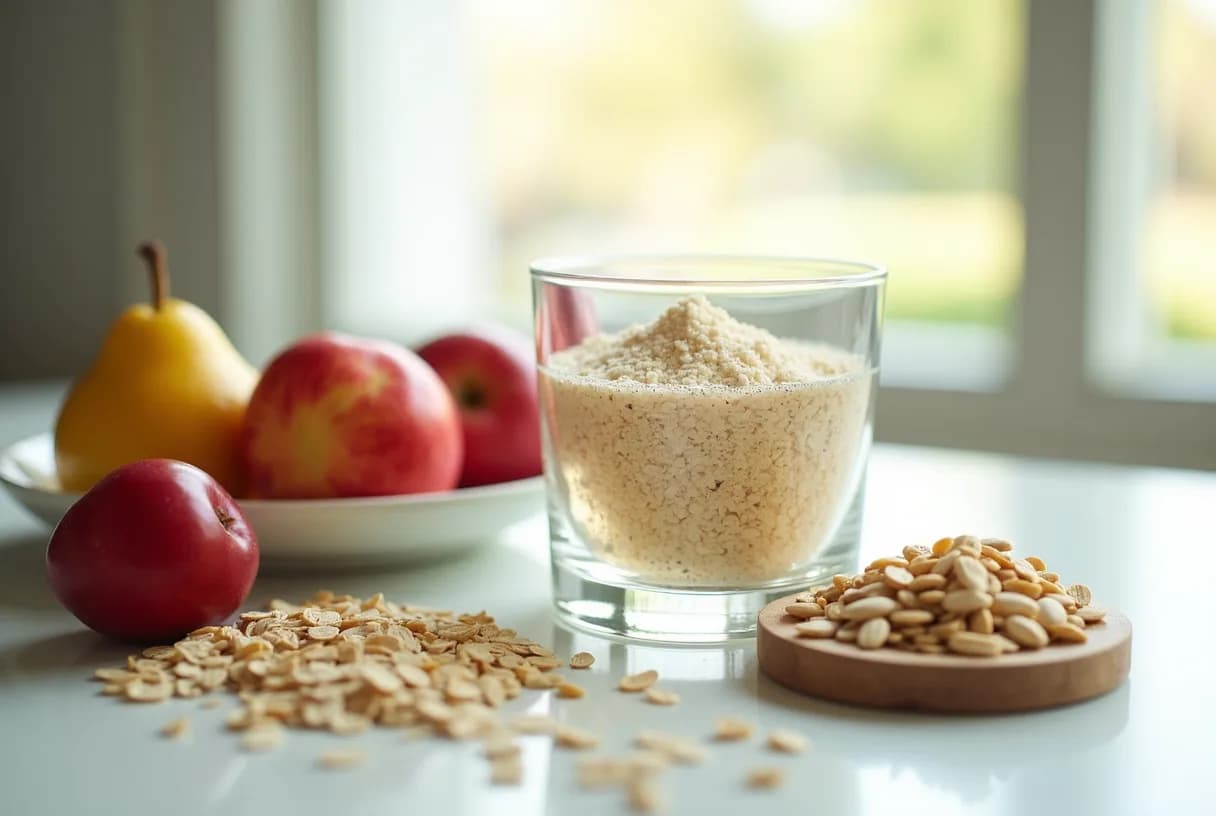
Seed cycling is a wellness routine that splits your menstrual cycle into two halves and assigns each half a pair of seeds:
- Days 1–14 (the follicular phase, when estrogen rises): about 1–2 tablespoons of ground flaxseed plus 1–2 tablespoons of raw pumpkin seeds daily.
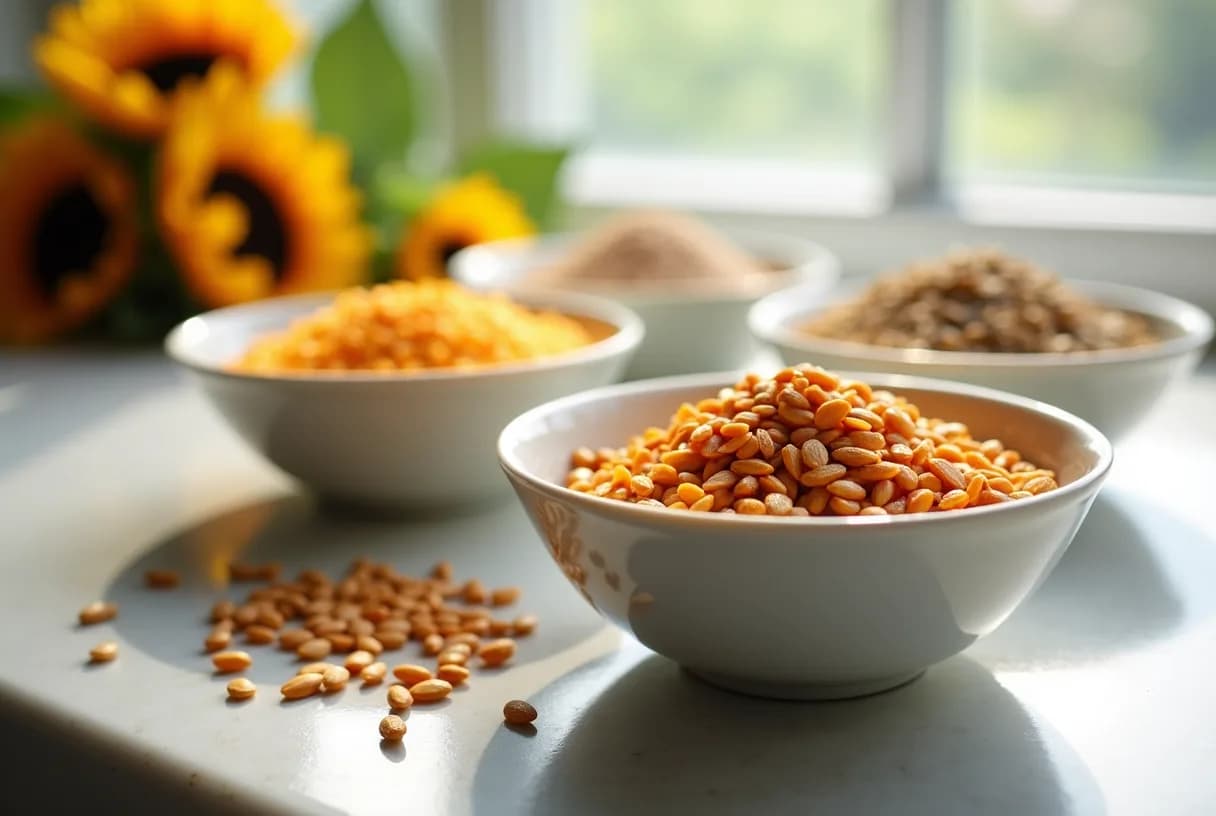
- Days 15–28 (the luteal phase, when progesterone rises): about 1–2 tablespoons of sesame seeds plus 1–2 tablespoons of sunflower seeds daily.
If you no longer cycle — because of menopause, a hormonal IUD, or irregular periods — proponents tell you to follow the moon: "flax phase" from the new moon, "sesame phase" from the full moon. That detail is a useful tell. A protocol whose timing can be pinned to the moon when a real cycle is absent is not tracking your physiology.
The claim vs. the evidence
The theory goes like this: flax lignans and pumpkin zinc "support" estrogen in the first half, while sesame lignans and sunflower vitamin E "support" progesterone in the second half. It is tidy and intuitive. It is also not how the endocrine system works — hormone production is governed by the brain–ovary feedback loop (FSH, LH and the ovarian follicle), not by which seed you ate at breakfast. Crucially, no one has run the experiment that would settle it: a proper trial measuring blood hormone levels on and off the protocol.
| Claim | Evidence grade | What we actually know |
|---|---|---|
| Rotating seeds "balances" estrogen and progesterone | No evidence | No trial has measured hormone levels on the protocol. The mechanism is theoretical only. |
| Seed cycling relieves PMS or PMDD | Very low | A 2025 systematic review found only 2 small randomized trials of the full protocol, mostly self-reported, short, and geographically clustered — not enough to conclude benefit. |
| Seed cycling treats PCOS | Very low | Same review: promising anecdotes and tiny studies, no robust, replicated controlled trials. |
| Seeds (esp. flax) reduce menopausal hot flashes | Low / negative | A Phase III placebo-controlled trial of 410 mg flax lignans found no benefit over placebo (both groups improved by roughly a third; p=0.29). |
| The seeds are nutritious whole foods worth eating | Strong | Well established: omega-3 ALA, fibre, lignans, magnesium, zinc, calcium and vitamin E. |
Note the fourth row. The strongest phytoestrogen data we have — flaxseed for hot flashes — is the one place seed cycling could plausibly work, and a rigorous 2012 Phase III trial found flax lignans no better than a placebo bar. That is the honest headline: where we've actually tested a seed's "estrogenic" effect on a symptom, it didn't beat placebo.
Why does it feel like it works?
Plenty of people say seed cycling changed their cycles or calmed their PMS, and they are not lying. Three ordinary things explain most of it:
- Cycles fluctuate on their own. A "bad" month is often followed by a milder one regardless of what you do — a statistical pattern called regression to the mean. Start any ritual after a rough cycle and the next one tends to look better.
- The placebo effect is real and large. In the flax hot-flash trial, the placebo group's symptoms dropped by roughly a third. Doing something structured and hopeful for your body genuinely moves symptom scores.
- You changed more than the seeds. People who start seed cycling often start tracking their cycle, eating more whole foods, and paying attention to symptoms. Those upstream habits — more fibre, more omega-3, less ultra-processed food — can nudge how you feel.
None of that requires the seeds to be timed to a phase. It requires attention, patience and a slightly better diet — which is why seed cycling is a pleasant, low-risk habit even though its stated mechanism is fiction.
The kernel of truth: these seeds are genuinely good for you
Here is where honesty earns its keep. The seeds are not snake oil — they are legitimately nutritious, and eating more of them is a reasonable thing to do. The mistake is the reason, not the food.
| Seed | Standout nutrients | Why it matters |
|---|---|---|
| Flaxseed (ground) | Omega-3 ALA (~6 g), fibre (~8 g), lignans — richest dietary source | Heart-healthy fats, digestion; must be ground to absorb anything |
| Pumpkin seeds | Magnesium (~150 mg, ~35% DV), zinc, iron | Magnesium supports sleep, muscle and mood |
| Sesame seeds | Calcium (~275 mg whole), copper, lignans | Bone-friendly minerals; hulled/tahini has less calcium |
| Sunflower seeds | Vitamin E (~7 mg, ~50% DV), selenium, magnesium | Antioxidant vitamin E; good plant-based source |
Eaten together over a month, that is a meaningful dose of magnesium, fibre, ALA and vitamin E — nutrients many women fall short on. So keep the seeds if you enjoy them. Just drop the belief that the order matters. You can eat all four every day and get the same nutrition. For flax specifically, the phytoestrogen story is real but modest; our flaxseed for menopause and phytoestrogen foods guides go deeper.
Is seed cycling safe? Who should be cautious?
For most people, ground seeds in food amounts are very safe. A few honest cautions:
- Flax and hormone-sensitive cancer. Flax is the biggest phytoestrogen worry people raise. Dietary amounts are generally considered safe, and some data are reassuring — but because flaxseed has phytoestrogenic effects and can alter estrogen metabolism, anyone with estrogen-receptor-positive breast cancer or another hormone-sensitive cancer should ask their oncologist before adding concentrated flax. This is a "check first," not a blanket "avoid."
- Blood thinners. At high intakes, flaxseed and flaxseed oil have a theoretical antiplatelet/anticoagulant effect. If you take warfarin, a DOAC, or daily aspirin, talk to your pharmacist before taking large or supplemental amounts (food amounts are usually fine).
- Raw flax and portion. Don't eat raw or unripe flaxseed; use ground, ripe seed. Introduce fibre gradually with plenty of water — a sudden jump can cause bloating or, rarely, blockage. Take flax a couple of hours apart from oral medications, since its fibre can slow absorption.
- Digestive tolerance. Sunflower and pumpkin seeds are calorie-dense; large daily handfuls add up. Portion to a tablespoon or two.
What actually helps PMS, PCOS and menopause symptoms?
Debunking without direction is useless, so here is where to put your energy instead:
- For PMS/PMDD: evidence supports regular exercise, and for some, SSRIs or hormonal options prescribed by a clinician. See PMS and PMDD.
- For PCOS: the highest-value levers are strength and cardio training, dietary pattern, and — where appropriate — medications your clinician may discuss. Start with our PCOS hub.
- For menopause symptoms: hormone therapy remains the most effective treatment for hot flashes for those without contraindications, alongside non-hormonal options. Our best diet for menopause and menopause hub lay out what the evidence supports.
- The whole-diet win: more fibre, omega-3s, magnesium and minimally processed food helps across all three — and yes, seeds are a fine way to get some of that.
Want to know where you actually are in your cycle before you experiment with anything? Try our Cycle Phase Decoder.
When to talk to your clinician
Seed cycling is not a reason to delay real care. Book an appointment if you have any of the following, rather than waiting to see whether seeds help:
- Periods that suddenly become very heavy, very irregular, or stop for months when you're not expecting menopause
- Any bleeding after menopause — this always needs evaluation
- Severe PMS or PMDD that disrupts your work, relationships or mood
- Signs of PCOS (irregular cycles, new acne, excess hair growth, difficulty conceiving) that haven't been assessed
- You have a hormone-sensitive cancer, take blood thinners, or are pregnant and want to add concentrated flax or seed supplements
Bring your seed routine to the visit — it's harmless, but your clinician should know everything you take. The bottom line: enjoy the seeds for their nutrition, keep your expectations honest, and put your real effort into the strategies that have actually been tested.