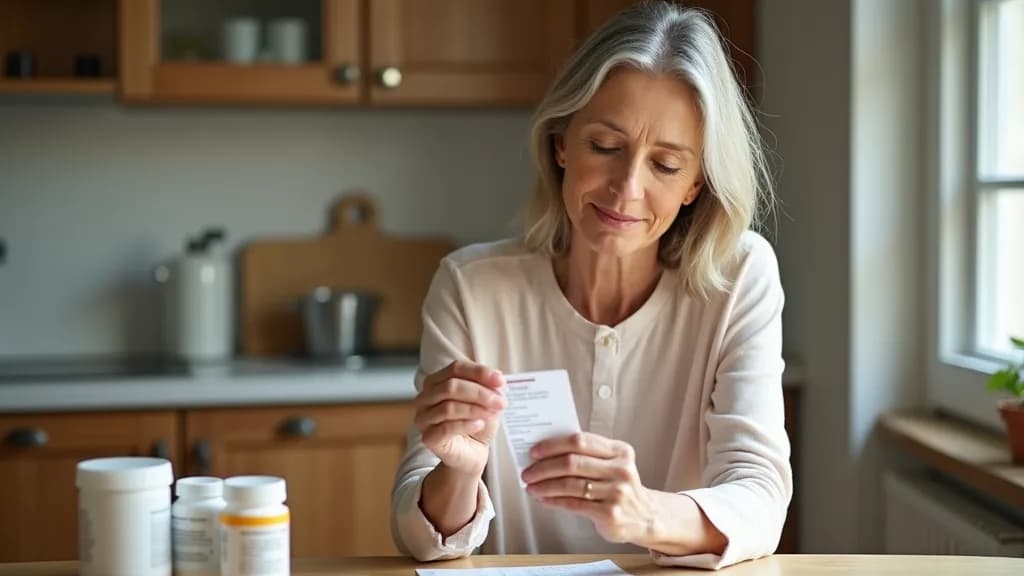
Here's the short version: "bioidentical" simply means a hormone with the same molecular structure as the one your body makes. That's a chemistry description, not a safety rating. Some bioidentical hormones are FDA-approved and well-studied; others are custom-mixed by compounding pharmacies and are not FDA-approved or monitored. The marketing around them has produced a handful of sticky myths, and untangling them helps you have a clearer conversation with your own clinician.
Below, we take the five claims that come up most often and hold each one up to what regulators and menopause specialists actually say. None of this is a substitute for personalized advice — hormone decisions are individual, and the right answer depends on your history and symptoms.
Myth 1: "Bioidentical means natural, so it's safer"
This is the claim that drives most of the others, and it doesn't hold up. Bioidentical hormones — such as estradiol and micronized progesterone — are made in a lab, usually from plant starting materials like soy or wild yam, and then chemically converted. Your body cannot use yam or soy hormones directly; the "natural" part ends at the raw ingredient. More importantly, being structurally identical to your own estradiol doesn't erase risk. The estradiol in an FDA-approved patch is the same molecule a compounding pharmacy would use — it isn't "safer" because a label calls it natural.
One honest nuance: how a hormone is delivered can change specific risks. Transdermal estrogen (patches, gels) appears to carry a lower blood-clot risk than some oral forms, for example.[6] But that difference is about route and dose, not about the word "bioidentical." The North American Menopause Society (now The Menopause Society) and ACOG have both stated there is no proof that compounded bioidentical hormones are safer than FDA-approved hormone therapy.[2] "Natural-sounding" is a marketing frame, not a clinical category.
Myth 2: "Compounded formulas are customized to you through saliva testing"
The pitch is appealing: a pharmacy measures your hormone levels — often through saliva — and mixes a blend calibrated precisely to your body. The problem is that saliva hormone testing has not been validated as a reliable way to guide menopause treatment. Salivary hormone levels fluctuate through the day, vary with what you ate or drank, and don't correlate well with the tissue levels that actually matter. Two samples from the same person hours apart can differ substantially.
Because of that, dosing "adjusted" to saliva results isn't the precision it appears to be. The Menopause Society and the Endocrine Society have cautioned against using salivary testing to individualize hormone therapy.[3] A thoughtful clinician individualizes treatment based on your symptoms, medical history, and how you respond over time — not a lab panel marketed as a bespoke fingerprint.
Myth 3: "FDA-approved hormones aren't bioidentical"
Many people believe you have to go to a compounding pharmacy to get bioidentical hormones. Not true. Several FDA-approved products contain hormones that are molecularly identical to what your body produces:
- 17-beta estradiol — available as approved patches, gels, sprays, vaginal rings, and tablets.
- Micronized progesterone — an approved oral capsule that is structurally identical to the progesterone your ovaries make.
These went through clinical trials, carry standardized doses, list their risks on the label, and are manufactured under FDA quality oversight. So the real dividing line isn't "bioidentical versus synthetic." It's FDA-approved and regulated versus compounded and unregulated. You can get bioidentical hormones that are also FDA-approved — which is exactly what many menopause specialists reach for first.
| Feature | FDA-approved bioidentical | Compounded (cBHRT) |
|---|---|---|
| Molecularly identical to your hormones | Yes (e.g., estradiol, micronized progesterone) | Often, but not standardized |
| Tested in clinical trials | Yes | No |
| Dose consistency batch to batch | Standardized | Can vary |
| Government safety monitoring | Yes (FDA) | Not FDA-approved or monitored |
| Risks listed on label | Yes | Frequently omitted |
Myth 4: "Pellets are the best way to deliver hormones"
Hormone pellets — small implants placed under the skin every few months — are heavily marketed, often as the most "set it and forget it" option. The concern that specialists raise is dose control. Once a pellet is inserted, you cannot dial it down; the hormone releases on its own schedule, and absorption varies from person to person. That can lead to blood levels that run higher than intended, and to side effects that linger until the pellet wears off because there's no way to remove the dose already circulating.
Compounded pellets in particular have drawn cautions from menopause and endocrine societies precisely because the delivered dose is unpredictable and unmonitored. This doesn't make pellets categorically wrong for everyone, but "best delivery method" overstates the case. Patches, gels, and oral formulations let you and your clinician adjust more nimbly if your symptoms or side effects change.
Myth 5: "Bioidentical hormones are risk-free"
No form of systemic hormone therapy is risk-free — bioidentical or otherwise. Depending on the hormones used, your age, how many years past menopause you are, and your personal and family history, hormone therapy can carry small increases in risks such as blood clots, stroke, or, with certain estrogen-plus-progestogen regimens over time, breast cancer. Being bioidentical doesn't exempt a hormone from these considerations, and compounded products are actually more uncertain here because they haven't been studied and often ship without the risk information a labeled product must carry.
The reassuring context: for many women who start therapy under about age 60 or within roughly ten years of menopause and have troublesome symptoms, benefits often outweigh risks.[1] But that's a judgment made with a clinician who knows your history — not a blanket "safe because it's natural" promise. The NHS and Mayo Clinic both frame hormone therapy as an individualized benefit-versus-risk decision, and Mayo notes plainly that bioidentical hormones have not been shown to be safer.[4]
How to make a grounded decision
You don't need to memorize the science to protect yourself. A few practical anchors:
- Ask whether an FDA-approved bioidentical option fits your needs before assuming you need a compounded blend. Many people do fine on approved estradiol and micronized progesterone.
- Be skeptical of saliva-test-driven "custom" dosing. It sounds scientific but isn't validated for this purpose.
- Ask how a dose can be adjusted or stopped if side effects appear — a fair question that pellets answer poorly.
- Expect a real risk conversation. Any clinician who tells you hormones are completely risk-free is overselling.
Menopause care has genuinely good, evidence-based options, and bioidentical hormones are part of that toolkit. The myths mostly come from blurring chemistry ("identical structure") with safety ("therefore harmless"), and from marketing that dresses up unregulated products as personalized medicine. Bring these questions to your own doctor or menopause specialist, and you'll be able to tell the difference between what's shown to work and what's simply being sold.