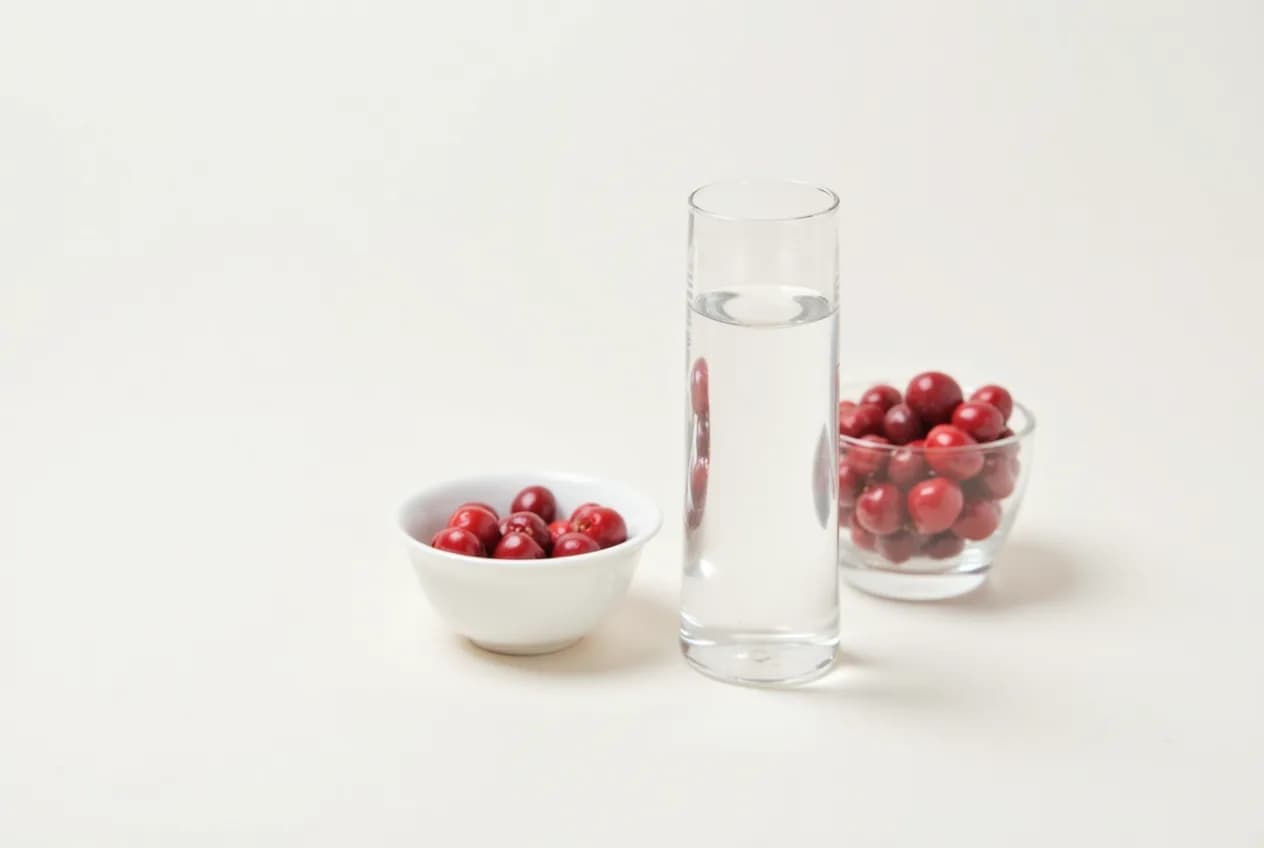
Urinary tract infections are common, uncomfortable, and frustratingly prone to coming back. The good news: a few habits genuinely lower the odds, while some popular remedies are more hype than help. Here's an honest, evidence-based look at how to prevent UTIs.
First, what we're trying to prevent
A urinary tract infection happens when bacteria — most often E. coli from the bowel — travel up the urethra into the bladder. Women get UTIs far more often than men, largely because the female urethra is shorter, and the risk climbs again around and after menopause as falling estrogen changes the urinary and vaginal tissues. Prevention is about making it harder for bacteria to take hold. It is not a substitute for treatment: an active UTI usually needs prescription antibiotics from a clinician.
The habits with the best evidence
These everyday steps are low-risk, and several are backed by good research — especially in women prone to repeat infections.
- Stay well hydrated. This is the standout. In women who get frequent UTIs and don't drink much, increasing daily water intake has been shown to meaningfully reduce how often infections recur. More fluid means more frequent urination, which helps flush bacteria out before they settle in. If you already drink plenty, drinking still more is unlikely to add much — the benefit is greatest for those starting from a low intake. Plain water is fine; you don't need special drinks.
- Urinate after sex. Sexual activity can push bacteria toward the urethra. Emptying your bladder soon afterward is a simple, sensible habit if you're prone to UTIs.
- Don't hold urine for long stretches. Go when you need to. Letting urine sit gives bacteria more time to multiply.
- Wipe gently from front to back. This reduces the chance of moving bowel bacteria toward the urethra.
- Rethink spermicide. If you're prone to UTIs, spermicides and spermicide-coated diaphragms or condoms can disrupt protective vaginal bacteria and raise risk. A clinician can suggest alternative contraception.
You may also see advice to avoid harsh soaps, douches, and scented feminine products, which can irritate delicate tissue. Plain water for washing the vulva is enough.
Cranberry and D-mannose: the honest take
These are the two most-asked-about supplements, so it's worth being straight about them.
Cranberry for UTI
Cranberry (as juice, capsules, or tablets) contains compounds thought to make it harder for bacteria to stick to the bladder wall. The evidence for preventing recurrent UTIs is modest and mixed: some studies suggest a small reduction in recurrences for certain women, while others show no clear benefit. It's a reasonable, low-risk option to try if you get frequent UTIs — but it is not a cure, and it won't clear an infection you already have.
D-mannose for UTI
D-mannose is a simple sugar that may stop E. coli from attaching to the urinary tract lining. Early research is encouraging but limited, and larger high-quality trials have been less convincing. Like cranberry, D-mannose is best thought of as a possible add-on for prevention, not a treatment.
Two cautions: cranberry can interact with the blood thinner warfarin, and these supplements should never replace antibiotics for an active infection. If you have symptoms now, see a clinician rather than reaching for a supplement.
What helps vs. what's overhyped
| Approach | Evidence for prevention | Verdict |
|---|---|---|
| Drinking more water (if you drink little) | Good — reduces recurrences in prone women | Helps |
| Urinating after sex | Reasonable, low-risk | Sensible |
| Avoiding spermicide if prone | Linked to higher risk | Worth changing |
| Vaginal estrogen after menopause | Strong for postmenopausal women | Helps (clinician-guided) |
| Cranberry / D-mannose | Modest, mixed | Reasonable to try, not a cure |
| Cranberry to treat an active UTI | None | Overhyped — see a clinician |
The strongest option after menopause: vaginal estrogen
If you're postmenopausal and getting recurrent UTIs, this is the part to pay attention to. As estrogen falls, the vaginal and urinary tissues thin and the protective balance of vaginal bacteria shifts — changes that make infections more likely. This is closely tied to bladder changes around menopause and to overall vaginal health after menopause.
Low-dose vaginal estrogen — a cream, tablet, or ring used in the vagina — has good evidence for reducing recurrent UTIs in postmenopausal women. It works locally to help restore the tissue and the protective vaginal bacteria, which is why it tends to help when general prevention habits aren't enough on their own. Because the dose is low and mostly stays local, it's an option for many women who can't or don't want to take systemic hormones. It is a prescription, individualized decision; you can read more about hormone therapy and discuss whether it fits your history with a clinician.
When prevention isn't enough
If you're still getting infections despite these steps, you may have recurrent UTIs (commonly defined as two or more in six months, or three or more in a year). That deserves a proper medical review — not just repeated rounds of self-treatment. A clinician can confirm infections with a urine test, often including a urine culture that identifies the exact bacteria and which antibiotics will work, look for an underlying cause, and discuss options such as preventive antibiotics or vaginal estrogen. Confirming the diagnosis matters because not every burning or urgent feeling is a true infection. While you're sorting this out, it's also worth knowing that ongoing bladder symptoms can overlap with conditions like overactive bladder, which are common and treatable.
What over-the-counter products can and can't do
Pharmacy "UTI relief" products containing phenazopyridine can ease burning and urgency for a day or two — and they famously turn urine bright orange — but they do not kill the bacteria or cure the infection. They only mask symptoms. If you use one, still see a clinician, because an untreated UTI can worsen and spread to the kidneys.
When to get medical advice
Prevention is not treatment. See a clinician promptly if you have UTI symptoms — burning when you urinate, urgency, frequency, or cloudy or strong-smelling urine — because a true infection usually needs prescription antibiotics. Seek urgent care if you have fever, chills, back or flank pain, nausea or vomiting, which can signal a kidney infection, or if you see blood in your urine, which always needs evaluation. Any bleeding after menopause also needs to be checked. If you are pregnant, any suspected UTI needs prompt treatment. And if you're getting frequent infections, ask for a review of preventive options rather than treating each one alone.
Related: Among the supplements marketed to keep infections at bay, one gets asked about most often: D-Mannose for UTIs: Does It Work? weighs what the evidence actually shows.