For most women who eat regular meals and aren't sweating heavily, plain water is enough — you do not need an electrolyte drink. Many of the popular ones are either loaded with sugar or dosed with far more sodium than an ordinary day calls for. Electrolyte drinks earn their place in specific situations: prolonged or intense exercise (roughly more than an hour of real sweating), working out in the heat, illness with vomiting or diarrhea, low-carb or fasting states, and certain medications or conditions that deplete fluids and salts. The "best" electrolyte drink is not a brand — it is the combination of sodium, potassium, magnesium, and sugar that matches your body and your day, sold by a company that discloses its doses and, ideally, passes independent testing.
Quick verdict
- Best overall A mix that lists its exact sodium, potassium, and magnesium amounts with little or no added sugar, because the right drink matches your losses rather than a brand name.
- Best for endurance sweat A sodium-forward drink is worth it only when you sweat hard for more than about an hour, especially in heat or humidity.
- Best sugar-free A no-sugar electrolyte mix, since many popular options carry a lot of sugar you do not need for an ordinary gym session.
- Best value Plain water plus regular meals, which replaces everyday electrolyte losses at no cost and skips the unnecessary daily packet.
- What to look for Full disclosure of sodium, potassium, and magnesium doses, ideally from a company whose product passes independent third-party testing.
Do you actually need one?
Electrolytes — mainly sodium, potassium, magnesium, and chloride — are minerals you lose in sweat and, when you are sick, in vomit and diarrhea. A balanced diet replaces them without any special drink. You mostly benefit from a dedicated electrolyte drink when losses are unusually high:
- Endurance or heavy exercise — sweating hard for more than about an hour, especially in heat or humidity.
- Illness with fluid loss — vomiting, diarrhea, or fever, where an oral-rehydration approach helps you hold onto water.
- Very low-carb, keto, or fasting states — these flush sodium faster, which is behind a lot of "keto flu."
- Physically demanding work in the heat — construction, kitchens, landscaping.
- Certain medications or conditions — some diuretics and gut conditions increase losses, so get individual advice.
Sweat carries roughly 400–700 mg of sodium per liter for most people, though "salty sweaters" lose more. If you are going for a 30-minute walk or a gym session with a water bottle, you are not in that territory — and a daily packet just adds sodium, sugar, or cost you do not need. If your reason for reaching for one is fatigue or muscle cramps, the first fix is usually plain fluid, food, and sleep; see what actually helps leg and foot cramps and how much water you really need.
The three categories, graded honestly
1. Sugar-based sports drinks (Gatorade, Powerade)
These pair modest sodium and potassium with a lot of sugar — around 21 grams in a 12-oz serving, or about 34 grams in a 20-oz bottle. The sugar is not pointless: during long, hard exercise, a little glucose speeds fluid absorption and fuels working muscles. But for everyday sipping it is a problem. The American Heart Association suggests women cap added sugar at about 25 grams a day, so a single bottle can use most of that budget before you have eaten anything. Verdict: reasonable as fuel for genuine endurance sessions, poor as a daily drink. The zero-sugar versions fix the sugar but usually dial the electrolytes down too.
2. Zero-sugar, high-sodium packets (the LMNT era)
These deliver no sugar and a large sodium load — LMNT, for example, provides about 1,000 mg of sodium plus 200 mg potassium and 60 mg magnesium per stick. That is roughly the sodium of a fast-food meal dissolved in one glass of water. For an endurance athlete or someone sweating for hours in the heat, that can be appropriate. For a woman eating a typical (already salty) Western diet and exercising moderately, a daily 1,000-mg hit is more sodium than she needs — and potentially a real problem if she has high blood pressure or heart or kidney concerns. Verdict: a tool for high-sweat situations, not a wellness habit. Read the sodium number against your own day, not the brand's marketing.
3. DIY (salt + water + a splash of juice) — cheapest, and fine for most
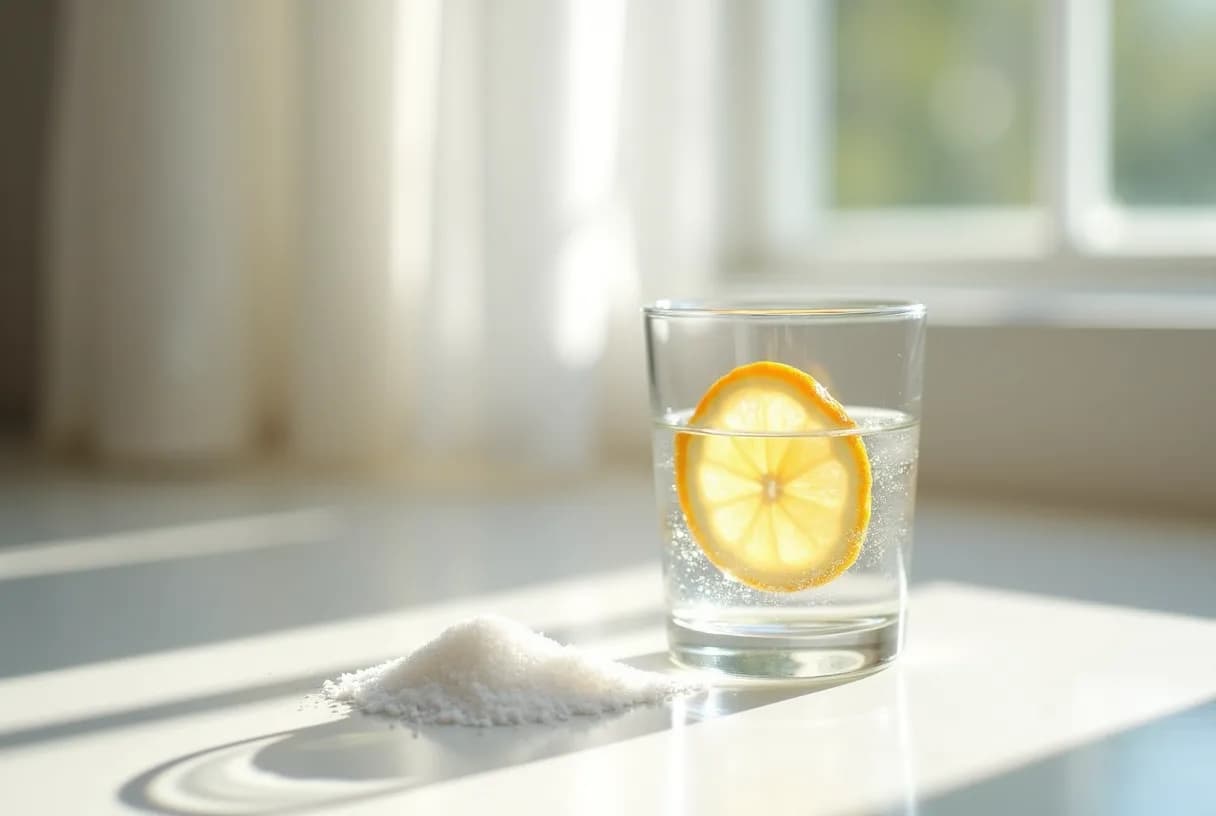
You can make an effective electrolyte drink for pennies: about ¼ teaspoon of table salt (roughly 575 mg sodium) in a liter of water, with a splash of orange or lemon juice for potassium and flavor, and a little sugar or honey if you want faster absorption during exercise. When you are actually ill, a more precise oral-rehydration mix — or a pharmacy oral-rehydration product — is worth it, because the salt-to-sugar ratio matters when you are losing a lot of fluid. Verdict: the honest default for most people who want an electrolyte drink at all.
What to look for on the label
| Criterion | What to look for | Why it matters |
|---|---|---|
| Sodium per serving | Match it to your losses: ~300–500 mg for moderate sweat; 800–1,000+ mg only for heavy, prolonged sweating. | The main electrolyte in sweat. Too much daily sodium raises blood pressure in salt-sensitive people. |
| Potassium | Some potassium (roughly 100–400 mg) is reasonable; food covers the rest. | Helps fluid balance — but a genuine risk with certain heart and kidney meds (see below). |
| Magnesium | A modest amount (around 25–60 mg) is fine; it is not a substitute for a full magnesium supplement. | Lost in sweat in small amounts; large doses can loosen stools. |
| Added sugar | Near-zero for everyday use; some sugar is justified only as endurance fuel. | A 12-oz sports drink can be most of a woman's daily added-sugar limit. |
| Third-party testing | An NSF Certified for Sport, Informed Sport, or USP seal you can verify. | Confirms the label matches the powder and screens for contaminants. |
| Honest labeling | Every dose listed by amount — no "proprietary blend," no mega-dosing. | You cannot judge a dose you cannot see. |
| Fit to your situation | The right product for a marathoner is the wrong one for someone with hypertension. | "Best" is personal, not a universal ranking. |
How we chose (and what we don't do)
We do not run a physical testing lab, and we never claim to hand-test products. No one paid for placement in this guide, and we do not sell rankings or invent star ratings or fake test scores. Our guidance rests on two things: (1) independent third-party testing and certification — NSF Certified for Sport, Informed Sport, USP Verified, or ConsumerLab findings — which we verify in the certifier's own public database before naming any product; and (2) published evidence on how much sodium, potassium, and sugar the body actually needs in different situations. Where we cannot currently verify a product's certification, we do not name it — instead we teach you exactly what to look for so you can check the seal yourself. Run any product through our Supplement Trust Scorecard or search the certifier's database directly.
Affiliate disclosure: if you buy through some links on VidaBeacon we may earn a small commission. It never changes our picks or what we tell you. See how we review products.
Products that currently hold third-party certification
Rather than crown a single winner, here are examples that, at the time of writing, hold a certification we verified in the certifier's public database — a useful shortlist if you decide you genuinely need a packet. Re-check the current seal before you buy, because formulas and certifications change.
- Thorne Catalyte — listed as NSF Certified for Sport. A lower-sugar, moderate-electrolyte powder with no artificial sweeteners.
- Klean Athlete Klean Electrolytes — listed as NSF Certified for Sport. A capsule format with no added sugar, useful when you want to control the dose separately from your water.
Naming a product here is not an endorsement over an equivalent certified competitor, and it does not mean it is right for you — a 1,000-mg-sodium formula and a moderate one can both be "certified" while suiting very different bodies. Notably, several of the most-marketed packets (including the high-sodium and sugar-based names above) are not in the NSF Certified for Sport database; that alone does not make them unsafe, but it means no independent lab is verifying the label.
Who should be cautious — and when to ask a clinician
Supplements and electrolyte powders are not regulated like drugs, and "natural" does not mean risk-free. Talk to a clinician or pharmacist before making an electrolyte drink a habit if any of these apply:
- High blood pressure or heart failure — high-sodium packets (the 1,000-mg kind) can work against you. If blood pressure is your concern, even plain water and lower sodium help; see can water lower blood pressure and high blood pressure in women.
- Kidney disease — impaired kidneys struggle to clear extra potassium and sodium, and both can build to dangerous levels.
- Certain heart and blood-pressure medications — ACE inhibitors, ARBs, and potassium-sparing diuretics (such as spironolactone) raise blood potassium. Adding a potassium-containing drink can push it into the dangerous range (hyperkalemia). Run your combination through our interaction checker and confirm with a pharmacist.
- Pregnancy or diabetes — sodium, sugar, and fluid needs shift, so get individual advice.
None of this is a reason to fear salt in a genuine heavy-sweat situation. It is a reason to match the product to your body. For the mineral itself, our guide to magnesium benefits, sources, and dosage and the best magnesium supplement cover doses in more depth, and our heart-health hub covers sodium and blood pressure.
The honest bottom line
Most days, for most women, the answer is water and food — not a packet. If you are exercising hard, working in heat, or genuinely sick, an electrolyte drink helps, and a homemade mix or a certified, sugar-appropriate product does the job. Skip the daily habit of high-sodium or high-sugar drinks unless a real reason — and, where relevant, your clinician — supports it. Read the label against your own life, not the ad. For more on hydration and eating well, browse our nutrition section.