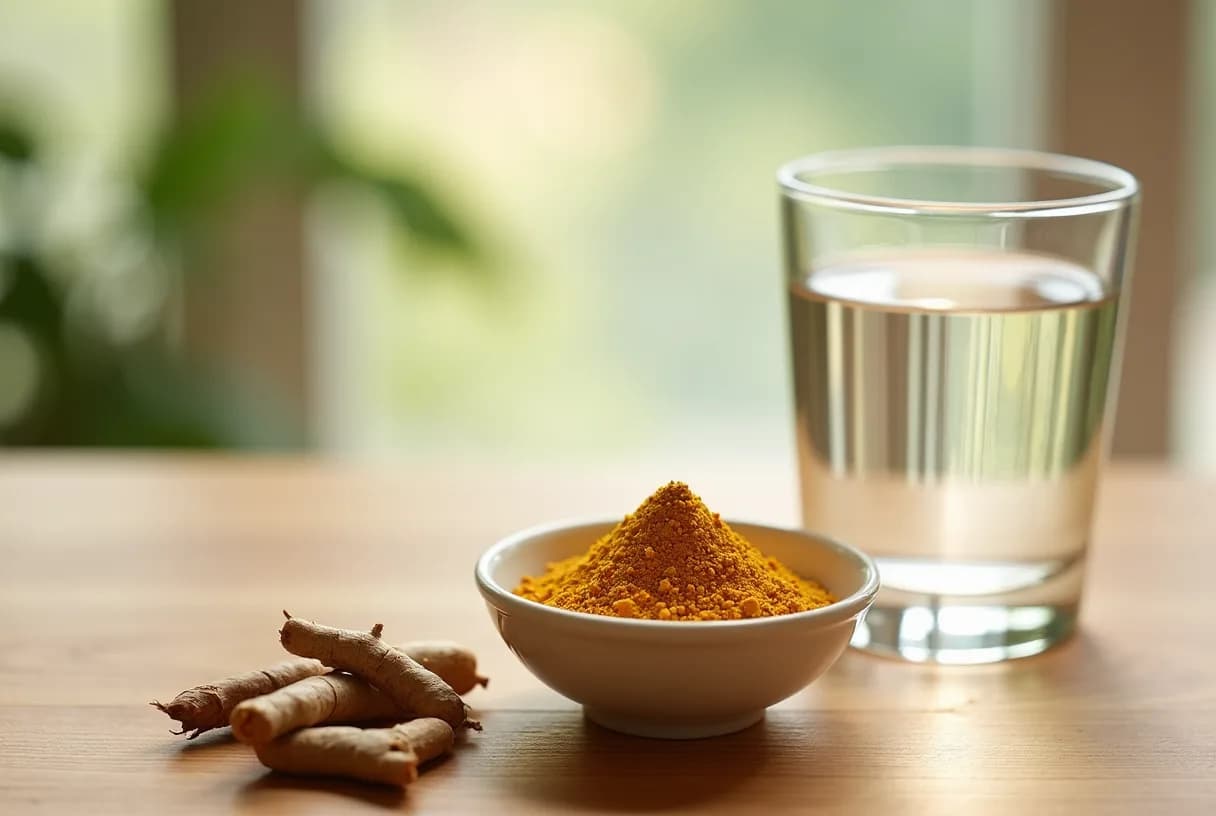
There is no single "best" time to take ashwagandha — the right time depends on what you want it to do. Take it in the morning if your goal is daytime stress resilience, focus, or steadier energy. Take it in the evening if your goal is sleep or quieting a racing mind at night. Most clinical trials used 300 mg twice daily and took it with food, and taking it consistently for 4 to 12 weeks matters far more than the exact hour on the clock.
Morning or evening? Pick by your goal
Ashwagandha is an adaptogen — a plant marketed to help the body cope with stress. It does not have a rigid "take at 8 a.m." rule the way, say, a stimulant does. What changes with timing is which effect you notice most. A morning dose lines up with daytime stress; an evening dose lines up with wind-down and sleep. Some people also feel mildly drowsy after a dose, which is a good reason to move it to the evening.
| Your main goal | When to take it | Why |
|---|---|---|
| Daytime stress, focus, feeling frazzled | Morning, with breakfast | Covers the hours you are most stressed; pairs a dose with food. |
| Steadier energy or exercise recovery | Morning (or pre-workout) | Trials on strength and stamina used daytime dosing. |
| Falling asleep or an anxious, racing evening mind | Evening, ~1–2 hours before bed | Its mild calming effect works with your natural wind-down. |
| Lower measured cortisol (as in the studies) | Split dose — morning and evening | The stress trials dosed 300 mg twice a day; consistency drove results. |
| You feel drowsy after a dose | Move the whole dose to the evening | Turns a side effect into a sleep benefit instead of daytime grogginess. |
The honest headline: consistency beats timing. The changes measured in trials — lower perceived stress, lower cortisol, better sleep quality — came from taking ashwagandha every day for weeks, not from a magic hour. Pick the time you will actually remember, anchor it to a daily habit (breakfast or brushing your teeth at night), and stick with it.
Should you take ashwagandha with or without food?
Take it with food in most cases. The most common side effects — nausea, stomach upset, and loose stools — are far more likely on an empty stomach, and food smooths them out. Ashwagandha's active compounds (withanolides) are fat-soluble, so pairing your dose with a meal that contains some fat is a sensible, if not strongly proven, way to help absorption. An empty-stomach dose may act a little faster but is more likely to feel harsh. Don't take it with alcohol, which stacks with its sedating and liver effects.
KSM-66 vs Sensoril: does the form change the timing?
Most of the good human research used one of two branded, standardized root extracts, and they have slightly different personalities:
- KSM-66 — a root-only extract, usually studied at higher doses (around 300–600 mg/day). Many people find it a touch more energizing and balanced, so it suits daytime use for stress, focus, and physical performance.
- Sensoril — a root-and-leaf extract with a higher concentration of withanolides, studied at lower doses (roughly 125–250 mg/day). It tends to feel more calming and sedating, which makes it a natural fit for an evening wind-down dose.
A plain "ashwagandha root extract" with no brand or standardization on the label is a wild card — potency and purity vary widely between products, and supplements are not tightly regulated for what's actually in the bottle. If you're comparing labels, run yours through our supplement scorecard, and see our guide to ashwagandha for women for how the forms stack up.
How long does ashwagandha take to work?
Not overnight. Some people notice a softer edge on stress or slightly easier sleep within the first one to two weeks, but the measured effects in trials — lower cortisol, better sleep, reduced anxiety scores — generally build over four to twelve weeks of daily use. Sleep changes sometimes show up a bit sooner than stress-hormone changes.
Give any single product a fair trial of about eight weeks before deciding whether it's doing anything. If you feel nothing after that, the dose, the form, or the product itself may be the issue — chasing higher and higher doses is not the answer. You can set realistic expectations with our how-long-until-it-works tool. And because safety is only well studied for short-term use, ashwagandha isn't meant to be taken indefinitely without a break.
What does the evidence actually show?
Here's the honest picture. Ashwagandha has some of the better human evidence among stress supplements, but "better" is relative. The supportive studies are mostly small (often 50–60 people), short (8 weeks), and frequently funded by the companies that make the extract. Within those limits, several randomized trials found lower scores on perceived-stress questionnaires, modest drops in the stress hormone cortisol, and improved sleep quality.
The U.S. National Center for Complementary and Integrative Health puts it plainly: some ashwagandha preparations "may be effective for insomnia and stress," while the evidence for anxiety specifically is unclear. Ashwagandha is not an FDA-approved treatment for anything, and it won't out-perform the basics — sleep, movement, and stress skills — that actually move cortisol. For the mechanism and the realistic ceiling, see ashwagandha for cortisol, how cortisol and sleep feed each other, and our honest take on cortisol supplements in general. Real stress-management strategies belong alongside, not instead of, any supplement.
How much should you take — and why skip megadoses?
The most-studied dose for stress is 300 mg of a standardized extract, taken twice a day (about 600 mg total), or a single daily dose in that range. More is not better: higher doses raise the odds of stomach upset and, rarely, liver problems, without buying you proven extra benefit. There is no reason to reach for 1,000+ mg "mega" doses. Stick to labeled, standardized amounts, take a break after two to three months, and let a clinician set the dose if you have any health condition or take medication.
Who should avoid ashwagandha, or check with a clinician first?
Ashwagandha is not for everyone, and a few of the cautions are important.
| If you… | Why it matters |
|---|---|
| Are pregnant or breastfeeding | Avoid it. Health agencies advise against use in pregnancy; animal data suggest it may stimulate the uterus, and safety while nursing is unknown. |
| Have a thyroid condition or take levothyroxine | Ashwagandha can raise thyroid hormone levels, which may worsen an overactive thyroid or throw off thyroid-medication dosing. Talk to your prescriber. See thyroid health. |
| Take sedatives, sleep, or anti-anxiety medication | Its calming effect can add to these drugs and cause excess drowsiness. Anti-seizure medications are also on the interaction list. |
| Have an autoimmune disease | It may stimulate the immune system, which is a concern with conditions like lupus, rheumatoid arthritis, or Hashimoto's — and it can interact with immunosuppressant drugs. |
| Take diabetes or blood-pressure medication | Ashwagandha may lower blood sugar and blood pressure, which can stack with these drugs. |
| Have surgery scheduled | Stop it at least two weeks before, because of sedative effects — on your surgeon's advice. |
| Have liver disease (or drink heavily) | Rare but real cases of liver injury have been linked to ashwagandha; existing liver strain raises the stakes. |
This is why "just try it" isn't harmless advice for everyone. If any row above applies to you, treat ashwagandha as something to clear with a clinician or pharmacist first — the same way you would a new medication.
When to see a doctor
Rare cases of liver injury have been reported in people taking ashwagandha, usually appearing 2 to 12 weeks after starting. Stop the supplement and get medical care if you notice yellowing of the skin or eyes (jaundice), dark urine, pain in the upper-right belly, unusual itching, nausea, or new deep fatigue. Also check in with a clinician if you develop a racing or pounding heartbeat, feel over-sedated during the day, or have a health condition or medication from the list above. And if daily stress, poor sleep, or anxiety is running your life, that's worth a real conversation with a professional — a supplement is a small lever, not a treatment plan.
The bottom line
Pick your timing by your goal: morning for daytime stress and energy, evening for sleep and calm. Take it with food, choose a standardized form (KSM-66 for daytime, Sensoril for evening is a reasonable starting rule), keep the dose modest, and give it a full eight weeks. Above all, take it consistently — and skip it entirely if you're pregnant, have a thyroid or autoimmune condition, or take sedatives, without a clinician's okay. For a calmer, evening-friendly alternative some people layer in, our note on the best time to take magnesium and magnesium for sleep is a good next read.