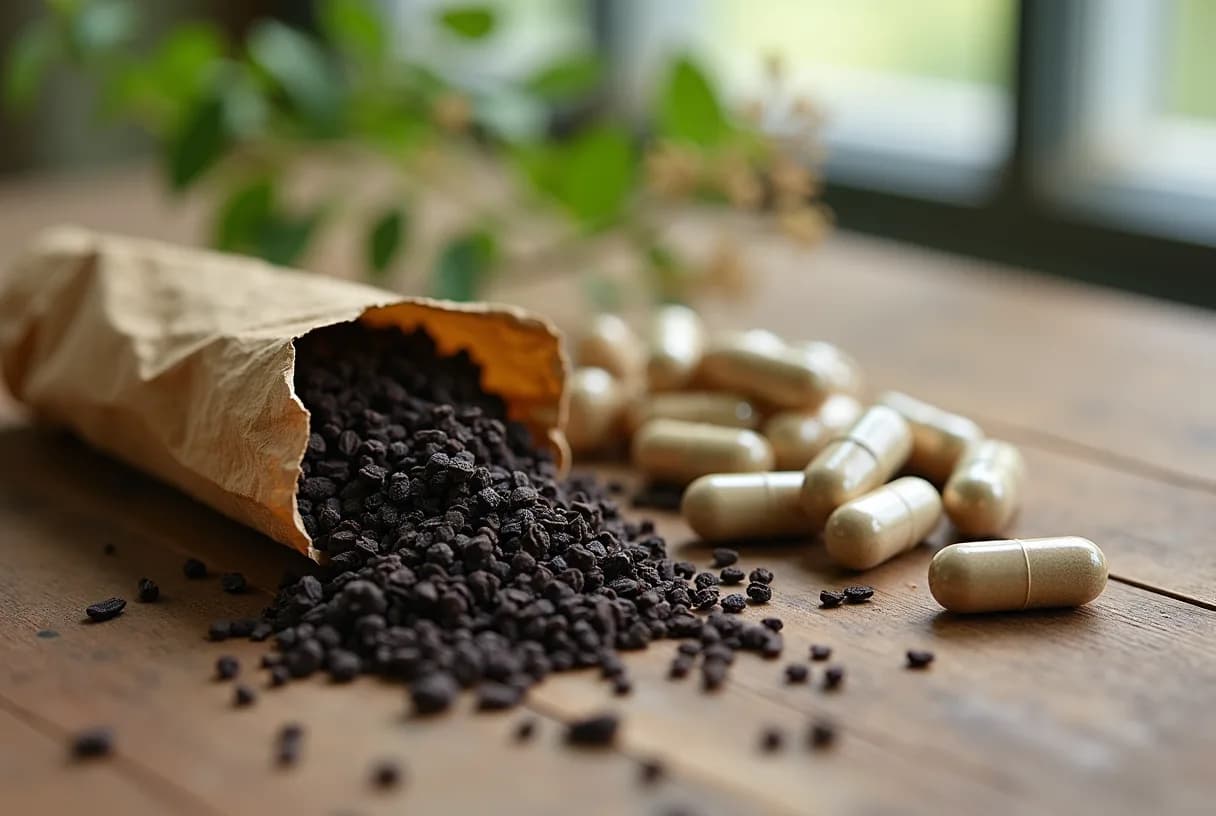
Short answer: the evidence that black cohosh (Actaea racemosa, formerly Cimicifuga racemosa) relieves menopausal hot flashes is weak and inconsistent. It is one of the most purchased herbal supplements for menopause, yet the largest independent review found it worked no better than a placebo. A few newer analyses are slightly more hopeful, so the fair label is "insufficient evidence" — not proven, but not completely ruled out either.
The verdict at a glance
| Question | What the evidence shows |
|---|---|
| Does it reduce hot flashes? | Unclear — the largest review found no benefit over placebo |
| Strength of evidence | Insufficient |
| Mood or sleep benefit? | No clear effect |
| Main safety concern | Rare liver-injury reports (causation unproven) |
| Recommended by menopause bodies? | No (The Menopause Society, 2023) |
What the science says, claim by claim
Claim: black cohosh reduces hot flashes
This is the headline promise, and it is where the evidence has been tested most. A 2012 Cochrane systematic review — a gold standard for weighing clinical trials — pooled 16 randomized controlled trials in 2,027 women. It found no significant difference between black cohosh and placebo in how often women had hot flashes. The reviewers concluded there was "insufficient evidence to support the use of black cohosh for menopausal symptoms."
Newer work is a little more mixed. A 2023 review summarized by the U.S. National Center for Complementary and Integrative Health (NCCIH) examined 22 studies and reported that black cohosh products were "potentially beneficial for overall menopause symptoms," with some improvement in hot flashes. Industry-linked analyses of specific standardized extracts (such as the isopropanolic extract sold as Remifemin) also report benefit — but those studies tend to be smaller, shorter, or funded by manufacturers, which lowers confidence. A large placebo response in hot-flash trials, often 30 to 50 percent, makes a modest herbal effect especially hard to detect.
Claim: it helps mood, sleep, and other symptoms
Evidence here is thinner still. The NCCIH review found no clear effect on anxiety or depressive symptoms. Any knock-on benefit for sleep or brain fog mostly depends on whether hot flashes actually improve — and that itself is uncertain. Studies typically run 8 to 12 weeks before judging results, so if you ever tried it, our guide on how long supplements take to work explains why a symptom diary matters.
How strong is the evidence?
Strength of evidence: Insufficient. Trials disagree, many are small or poorly reported, and the most rigorous synthesis (Cochrane) found no benefit while some later reviews found a small one. That is the textbook definition of insufficient: we cannot confidently say it works, and we cannot completely rule out a modest effect.
Is black cohosh safe?
For most healthy adults, black cohosh is generally well tolerated over the short term, and studies lasting up to a year have not flagged major problems. Mild side effects can include stomach upset, headache, or a rash.
The main safety flag is the liver. Worldwide, regulators have logged roughly 80 or more case reports of liver injury — from raised liver enzymes to, rarely, liver failure — in people taking products labeled as black cohosh. The NIH Office of Dietary Supplements and NCCIH both stress that a causal link has not been proven: some cases involved other medicines, and some may trace to contaminated or mislabeled products, since the wrong plant species is a known problem in this supplement category. Because the reports exist, agencies advise stopping use and seeking care if signs of liver trouble appear, such as unusual fatigue, dark urine, or yellowing of the skin or eyes.
On interactions, black cohosh has no well-documented, clinically important drug interactions, but this has not been studied systematically. Two groups should be especially cautious: women who have had a hormone-sensitive condition such as breast cancer, where its safety is genuinely uncertain, and anyone who is pregnant, where expert bodies advise against use outside medical supervision. Because supplements are loosely regulated and quality varies, choosing a product verified by an independent lab (for example, USP) is one way to lower the contamination risk.
The honest bottom line
Black cohosh is heavily marketed and widely used, but the best independent evidence does not show it clearly beats placebo for hot flashes, and major bodies such as The Menopause Society do not recommend it for that purpose. It may help a minority of women, it is inexpensive, and short-term use is usually well tolerated — but "might work, might not" is the fair summary, and the rare liver reports mean it is not entirely risk-free. If you are weighing your options, compare it with non-hormonal treatments, hormone therapy, and other supplements for menopause such as red clover and evening primrose oil, which carry their own mixed evidence, alongside phytoestrogen foods. Because supplements can interact with your health history and medications, talk to your clinician before starting or stopping black cohosh or any product for menopause symptoms.
Related: Red clover for hot flashes: what the evidence shows — see how another widely used botanical stacks up for easing menopause symptoms.