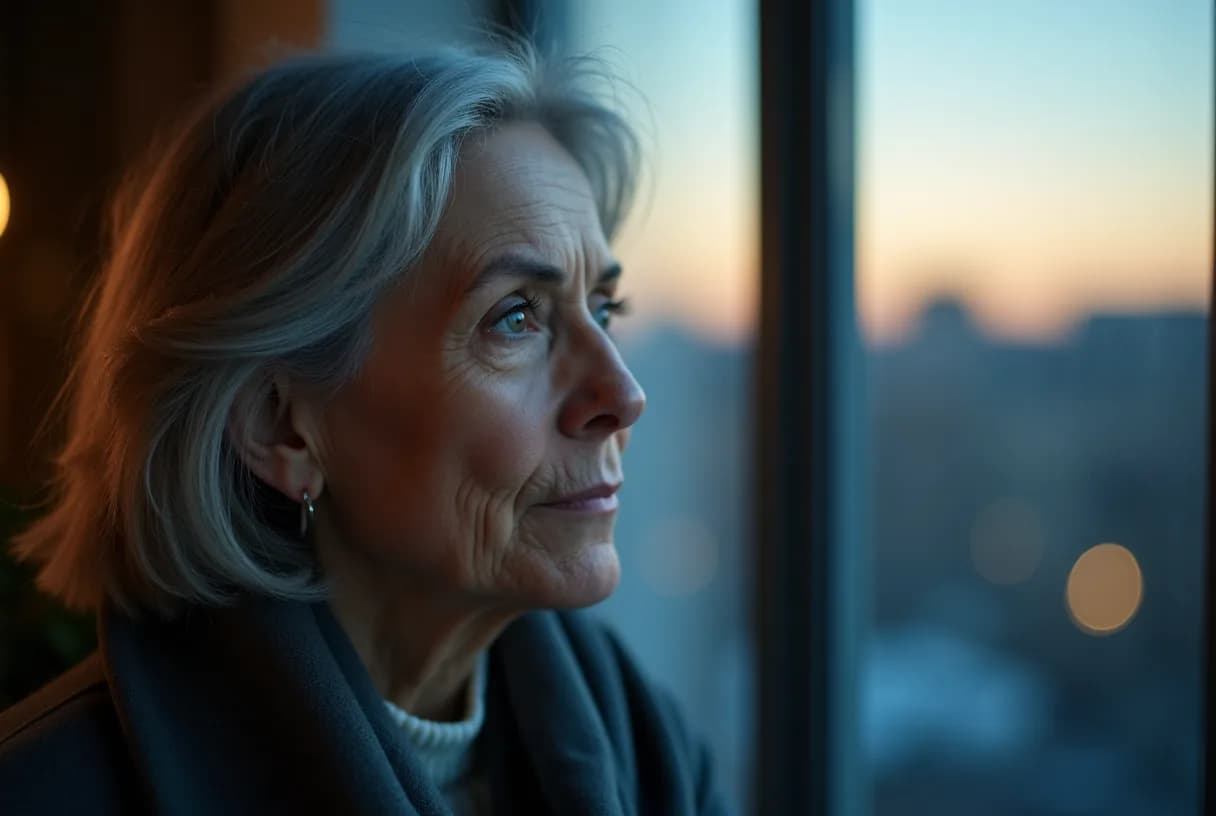
If anxiety has arrived — or intensified — in your 40s, you are not imagining it, and you are not alone. New or worsening worry, irritability, a racing heart, or sudden panic are among the most common emotional changes of perimenopause, the years of hormonal transition leading up to your final period. The main driver is fluctuating estrogen, which affects the same brain systems that regulate mood and the stress response.
The good news: this kind of anxiety is real, understandable, and treatable. Below is what's happening in the body, how perimenopausal anxiety can differ from lifelong anxiety, and the practical steps — from daily habits to therapy to the hormone-therapy conversation — that tend to help.
Why perimenopause can trigger anxiety
Estrogen does far more than regulate the menstrual cycle. It interacts with brain chemicals involved in mood and calm, including serotonin and the systems that shape the body's stress response. During perimenopause, estrogen doesn't simply decline in a smooth line — it swings unpredictably, sometimes surging and sometimes dropping sharply from one week to the next. The brain tends to react more to this instability than to any single level.
Those hormonal swings can leave you feeling more reactive, more on edge, and less able to shrug off stressors that once felt manageable. As the Office on Women's Health notes, mood changes such as irritability and anxiety are recognized features of the menopausal transition. The Menopause Society similarly describes mood symptoms as common during these years, particularly for women who have been sensitive to hormonal shifts before — for example around their periods or after childbirth.
Several perimenopausal changes also feed anxiety indirectly:
- Disrupted sleep. Night sweats and insomnia fragment sleep, and poor sleep reliably lowers the threshold for anxiety the next day.
- Hot flashes. The physical rush of a hot flash — pounding heart, heat, sweating — can feel a lot like anxiety and can even tip into panic.
- Life stage. Midlife often stacks caregiving, career pressure, and aging parents onto the same window, amplifying the biology.
How it can feel
Perimenopausal anxiety doesn't look the same for everyone. Common experiences include:
- A persistent sense of dread or worry that's hard to pin to a cause
- Irritability or a shorter fuse than usual
- A racing or pounding heart, chest tightness, or shortness of breath
- Panic attacks — sudden, intense surges of fear that peak within minutes
- Trouble concentrating or a "wired but tired" feeling
- Anxiety that seems to track with your cycle or worsen premenstrually
Because symptoms like a racing heart, chest pressure, or breathlessness can also signal heart or thyroid conditions, it's worth mentioning them to your clinician rather than assuming they're "just hormones." Thyroid problems in particular become more common in midlife and can mimic anxiety.
How it differs from lifelong anxiety
Understanding the pattern can help you and your clinician choose the right approach.
| Feature | Perimenopause-related anxiety | Lifelong (pre-existing) anxiety |
|---|---|---|
| Onset | Often new or noticeably worse in the 40s–early 50s | Present since youth or early adulthood |
| Pattern | May fluctuate with cycles, sleep, or hot flashes | More constant or tied to long-standing triggers |
| Company | Often alongside hot flashes, sleep problems, irregular periods | May occur without physical menopausal symptoms |
| Response to hormones | May ease if hot flashes and sleep improve with treatment | Less likely to hinge on hormonal treatment alone |
These are tendencies, not hard rules. Many women have both: a history of anxiety that flares as hormones shift. Either way, the goal is relief, and the tools overlap.
What helps: lifestyle foundations
Everyday habits won't erase biology, but they measurably raise your resilience and are a sensible first layer for nearly everyone.
- Protect sleep. A cool, dark bedroom, a consistent schedule, and limiting alcohol and late caffeine can blunt the sleep-anxiety cycle. If night sweats are the culprit, treating those often helps sleep the most.
- Move regularly. Regular physical activity is one of the better-supported ways to lower anxiety and improve mood, and it supports sleep too.
- Watch stimulants and alcohol. Caffeine can amplify a racing heart, and alcohol often worsens sleep and next-day anxiety even if it feels calming at first.
- Practice down-regulation. Slow breathing, mindfulness, and relaxation techniques can calm the stress response in the moment and, with practice, over time.
- Stay connected. Social support and naming what you're going through — with friends or a partner — reduces the isolation that magnifies anxiety.
Therapy and CBT
Talking therapies are a first-line, evidence-based option for anxiety, and they don't require any change to hormones. Cognitive behavioral therapy (CBT) helps you notice and reframe the thought patterns that fuel worry and panic, and it builds concrete coping skills. NICE, the body that guides clinical practice in England, recommends CBT as an option for low mood and anxiety linked to menopause, and it's widely used for anxiety disorders generally. CBT can be delivered one-to-one, in groups, or through structured online programs.
If anxiety is significantly affecting your work, relationships, or daily life, ask your primary-care clinician about a referral. You don't have to wait until you're at breaking point to seek help.
The hormone therapy (HRT) conversation
Menopausal hormone therapy (HRT) is primarily used to treat hot flashes, night sweats, and related symptoms. For some women, mood and anxiety improve on hormone therapy — often because sleep and hot flashes settle — and menopause specialists recognize that HRT can help mood symptoms during the transition. However, HRT is not a standalone treatment for a diagnosed anxiety disorder or clinical depression, and major guidelines are careful on this point.
Whether HRT is appropriate depends on your symptoms, health history, and personal preferences. It carries individual benefits and risks that differ from woman to woman, and it isn't suitable for everyone. This is a decision to make with a clinician who can weigh your particular situation — not something to start or rule out based on a headline. We don't recommend specific hormones or doses here; that's a conversation for you and your prescriber.
If your most disruptive symptoms are hot flashes and broken sleep, treating those effectively may quiet the anxiety that rides along with them.
When antidepressants or other medication are considered
For moderate to severe anxiety, or when therapy and lifestyle steps aren't enough, a clinician may discuss medication. Certain antidepressants — including some SSRIs and SNRIs — are used both for anxiety and, at times, to reduce hot flashes, which can make them a practical option in perimenopause. The choice, timing, and any dosing are individualized medical decisions, and some of these medicines take a few weeks to reach full effect. We don't name doses here on purpose: that belongs with your prescriber, who will tailor it to you and monitor how you respond.
Choosing medication is not a failure of willpower. For many women it's the step that makes therapy and daily habits actually stick.
When to seek help promptly
Reach out to a healthcare professional sooner rather than later if:
- Anxiety or panic is disabling, or getting steadily worse
- You're avoiding work, driving, or social situations because of it
- You have physical symptoms like a persistently racing heart, chest pain, or breathlessness that haven't been checked
- Low mood, hopelessness, or loss of interest accompany the anxiety
If you ever have thoughts of harming yourself or feel you may not be safe, treat it as urgent. In the US, you can call or text 988 to reach the Suicide and Crisis Lifeline, any time, for free and confidential support. In an emergency, call your local emergency number. You deserve help quickly, and reaching out is a sign of strength, not weakness.
The bottom line
Anxiety in perimenopause is a genuine, biology-linked experience — not a character flaw or something to push through alone. Estrogen's swings unsettle the brain's mood and stress systems, and disrupted sleep and hot flashes pile on. Most women improve with a combination of steady lifestyle habits, effective therapy such as CBT, and, where appropriate, hormone therapy or medication chosen with a clinician. Start with the basics, be honest with your doctor about how you're really doing, and give yourself permission to get support. This chapter is manageable, and it doesn't last forever.
Related: When low mood runs deeper than worry, see Depression in Women: Signs, Hormonal Triggers, and Getting Help.
Related: Hormonal shifts make you more reactive to daily pressures, so a solid toolkit matters. See our guide on How to Manage Stress: Evidence-Based Techniques That Work to ease perimenopausal anxiety.