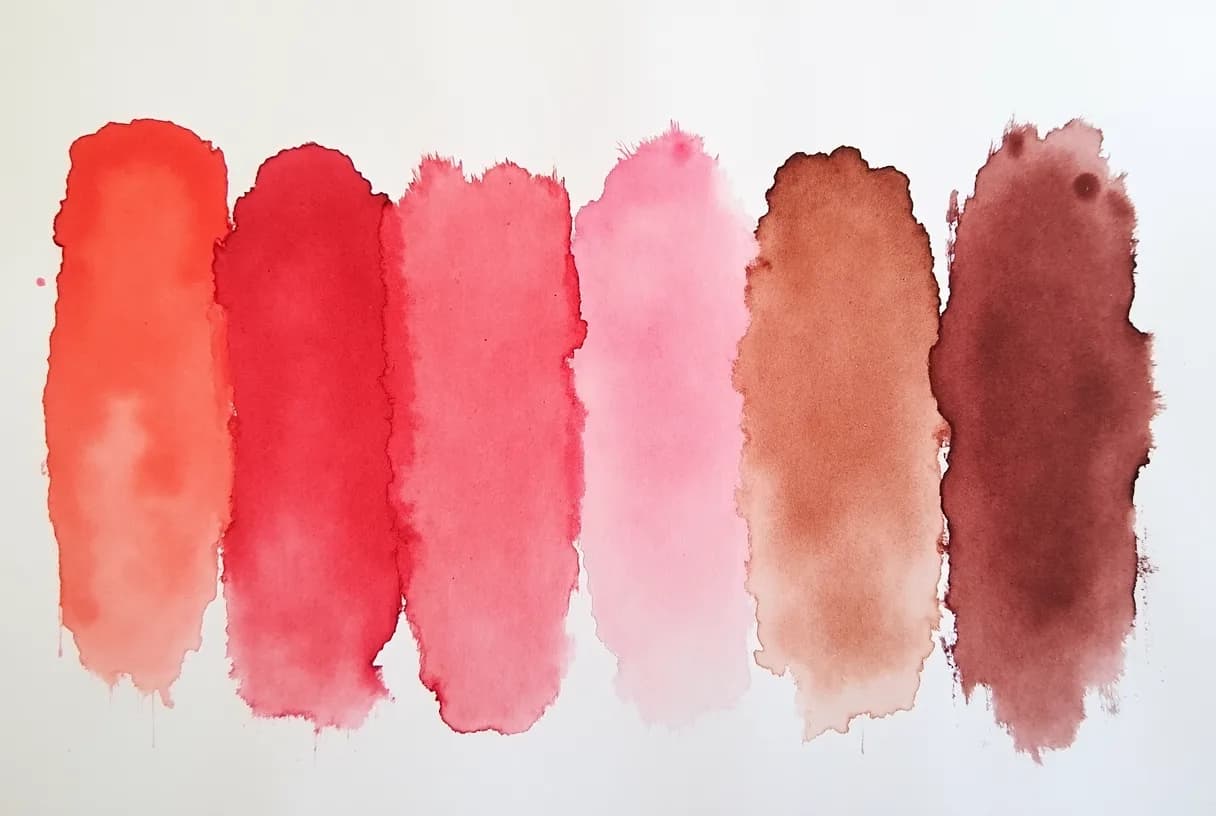
The color of period blood mostly comes down to one thing: how long the blood has been sitting before it leaves your body. Fresh, fast-moving blood looks bright red; blood that pooled and oxidized for a while turns dark red, brown, or even black. Because of this, a single period usually passes through several colors — and most of them are completely normal. A few shades, though, are worth paying attention to. This decoder walks through each one: what it usually means, whether it is typically normal, and when a color is worth getting checked.
The period blood color decoder
Use this as a quick reference. Color alone rarely diagnoses anything on its own — it is most useful read alongside your flow, your cycle timing, and any other symptoms.
| Color | What it usually means | Typically normal? | When to check |
|---|---|---|---|
| Bright red | Fresh, fast-moving blood — steady mid-flow days | Yes | If you soak a pad or tampon every hour for several hours |
| Dark red / crimson | Blood that pooled a while before leaving — common on waking or heavier days | Yes | If paired with large clots or very heavy flow |
| Brown | Older, oxidized blood — typical at the very start or tail end of a period | Yes | If brown discharge lingers for many days between periods or smells foul |
| Black | Very old blood that took the longest to exit — usually the end of a period | Usually | If it comes with fever, foul odor, or a possibly forgotten tampon |
| Pink | Blood diluted with cervical fluid — light flow, spotting, or lower estrogen | Often | If pink spotting keeps happening between periods or after sex |
| Orange | Blood mixed with cervical fluid; sometimes normal, sometimes a sign of infection | Sometimes | If it smells bad, itches, or comes with pelvic pain |
| Grey | Not a normal period color — can point to a bacterial infection | No | Promptly, especially with fever, odor, or pain (or if pregnant) |
| Very pale / watery | Occasional watery blood is fine; persistently thin, pale flow can hint at low iron | Sometimes | If you also feel tired, breathless, or look pale — check for anemia |
What each period blood color means
Bright red
Bright red is fresh blood that is moving quickly, so it has little time to oxidize. It is most common on your heavier, steadier days — often days two and three, when flow peaks. A continuous bright-red flow throughout your period is normal. The only caveat is volume: if bright-red blood is soaking through a pad or tampon every hour for several hours, or you are passing clots bigger than a coin, that is heavy menstrual bleeding and worth discussing with a clinician.
Dark red and crimson
Dark red is simply blood that sat in the uterus or vagina a little longer before leaving. You will often see it first thing in the morning (it pooled overnight while you were lying down) or on heavier days. It is a normal, expected shade. Dark red blood is also more likely to arrive with clots, because slower-moving blood has time to gel. Small clots — up to about the size of a coin — are usually normal; larger or very frequent clots deserve a look. See our guide to period blood clots.
Brown and dark brown
Brown blood is old blood. When blood takes its time leaving the body, iron in the hemoglobin reacts with oxygen and darkens — the same way a cut scab turns brown. This is why many periods start brown (last cycle's leftover blood clearing out slowly) and end brown (the final, slow trickle). Brown spotting for a day or two on either end of your period is normal. What is worth checking is brown discharge that shows up repeatedly between periods, after sex, or that carries a foul smell.
Black
Black period blood sounds alarming but is usually just brown blood taken one step further — blood that has oxidized the longest. It typically appears at the very end of a period as the last, oldest blood clears. On its own it is generally not a concern. Take it more seriously if black or very dark discharge is paired with a fever, a foul odor, itching, or trouble urinating — and especially if you may have a forgotten tampon in place, which needs prompt removal and can, rarely, lead to serious infection.
Pink
Pink means blood is diluted — mixed with clear cervical fluid — so it shows up on light-flow days, as spotting, or at the start and end of a period. Pink can also appear when estrogen runs lower than usual, which can thin the uterine lining and lighten bleeding. That is common in perimenopause, with some hormonal contraception, and around ovulation as a brief spot. Occasional pink is nothing to worry about. Persistent pink spotting between periods, or reliably after sex, is worth mentioning to a clinician so they can check the cervix.
Orange
Orange blood usually means blood has mixed with cervical fluid, and by itself it can be perfectly normal. But orange is also the shade most likely to overlap with an infection — so read it in context. Orange or orange-tinged discharge that has an unpleasant smell, itches, burns, or comes with pelvic pain can point to a vaginal infection or a sexually transmitted infection and should be evaluated. If in doubt, compare it against our guide to vaginal discharge colors.
Grey and very pale
These two are the ones the rest of this article circles back to, because they are the shades most worth acting on. Grey discharge or grey-tinged blood is not a normal period color and can signal bacterial vaginosis, an imbalance of vaginal bacteria — see the red-flag section below. Very pale, thin, watery blood is usually harmless if it happens occasionally, but a persistently pale, light flow — particularly alongside fatigue — can be a clue to low iron.
Is it normal for period blood to change color across one period?
Yes — and it is one of the most common things people misread as a problem. A single, healthy period often moves through a predictable arc of colors as the flow speeds up and then tapers:
- Day 1 (start): often light and brown or pink — this is last cycle's older blood clearing slowly.
- Days 2–3 (peak): flow picks up, so blood is fresher and turns bright to dark red. These are usually your heaviest days.
- Days 4–5 (tapering): flow slows, blood oxidizes on the way out, and color shifts back toward dark red, then brown.
- Final spotting: the last, oldest blood can look brown or nearly black before your period ends.
So a period that starts brown, brightens to red, and fades back to brown is doing exactly what it should. Tracking this pattern for a couple of cycles makes it much easier to spot when something is genuinely different for you — our period and ovulation tracker makes it easy to log color and flow day by day, and the menstrual cycle explorer shows how hormones drive each phase.
When is period blood color a red flag?
Color is rarely a red flag on its own — it is the company it keeps that matters. These are the combinations worth acting on rather than watching.
Grey blood or discharge — possible infection
Grey is the clearest color warning. Grey or greyish-white discharge, especially thin and paired with a fishy odor, is a classic sign of bacterial vaginosis (BV). BV is treatable, but it does not usually clear on its own and can raise the risk of other infections, so it should be checked. Seek care sooner rather than later if grey discharge comes with a fever, pelvic pain, or a strong odor. If you are or could be pregnant, grey tissue-like discharge or bleeding needs prompt medical attention, as it can be a sign of pregnancy loss.
Orange or foul-smelling blood — possible infection
Orange or unusual discharge that smells bad, itches, or burns can also signal a vaginal or sexually transmitted infection. Menstrual blood has a mild, slightly metallic smell at most; a genuinely foul or "off" odor is the signal to get checked. Our guides to vaginal odor and yeast infections can help you tell them apart.
Very pale, persistent, thin flow — check for anemia
If your period blood looks consistently pale, thin, and watery — and this is a change from your normal — it is worth checking your iron levels, especially if your periods are heavy. Heavy or prolonged bleeding is a leading cause of iron-deficiency anemia in menstruating people. Watch for the wider picture: unusual tiredness, weakness, shortness of breath, dizziness, pale skin, or brittle nails. A simple blood test can confirm it, and it is very treatable. Iron and other nutrients matter here — our supplement scorecard and the roundup of the best multivitamins for women can help you evaluate options with your clinician.
Black blood plus fever or a possible retained tampon
Black blood alone is usually just old blood. But black or dark discharge with a fever, foul odor, or a tampon you cannot account for needs prompt attention, both to remove the tampon and to rule out infection.
When to see a doctor
Book a visit with a clinician if you notice any of the following, regardless of the exact color:
- Grey discharge or blood, particularly with a fishy or foul odor, itching, fever, or pelvic pain.
- Orange or any discharge that smells bad, burns, or itches — possible infection.
- Very heavy bleeding: soaking a pad or tampon every hour for several hours, or passing clots bigger than a coin.
- Bleeding or spotting between periods, after sex, or a persistently pale, watery flow with signs of fatigue.
- Periods that suddenly change in color, flow, or pattern and stay changed over several cycles.
- Any bleeding after menopause — that is, after 12 months with no period — always needs checking.
- Grey, brown, or unusual bleeding during pregnancy, or if you might be pregnant.
None of this is meant to diagnose you — it is meant to help you decode what you are seeing and know when it is worth a professional look. If you are tracking symptoms through perimenopause, the menopause symptom diary is a good way to log color, flow, and other changes to share with your clinician. For the bigger picture, see our complete menstrual health guide and how bleeding fits across the phases of your cycle.