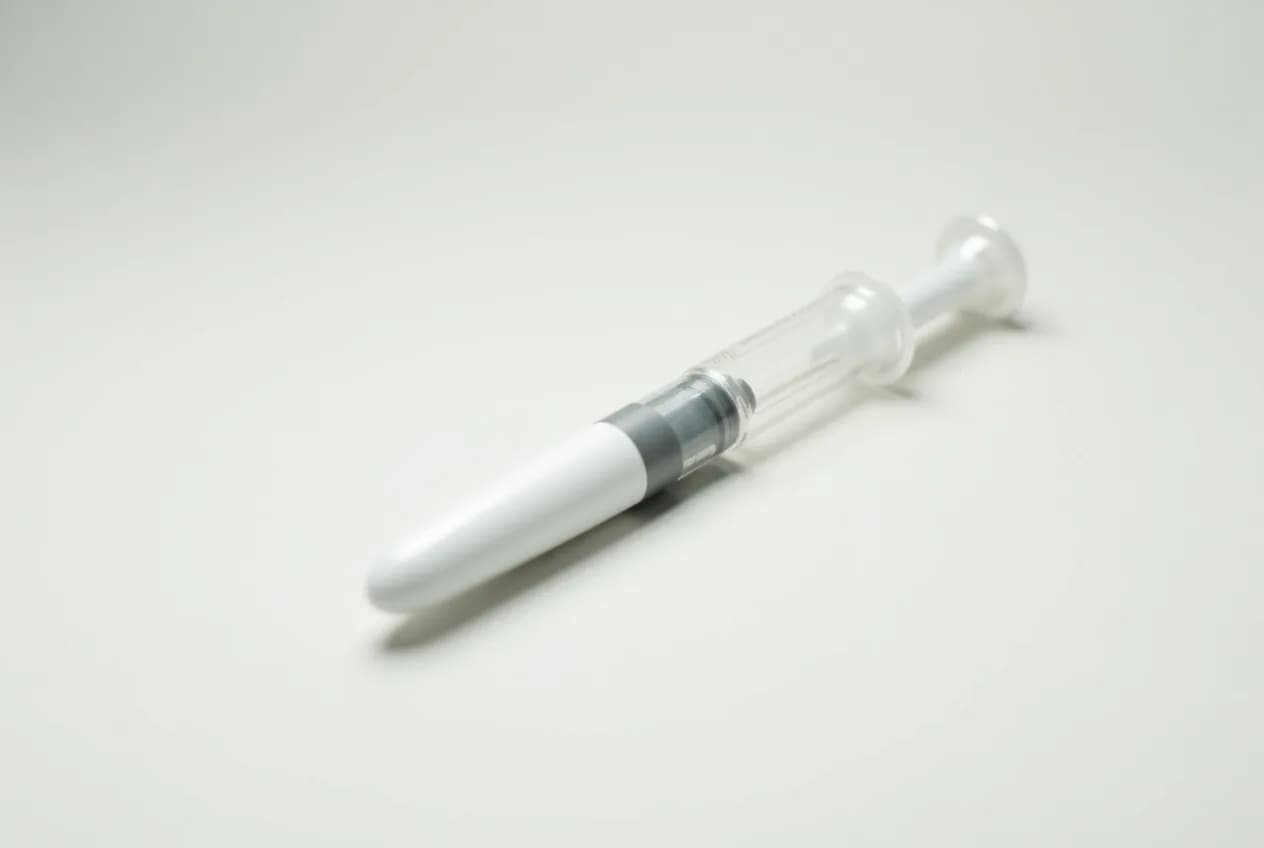
Tirzepatide is one of the most-searched weight and diabetes medicines, and also one of the most misunderstood. This explainer covers what it is, how it works, how it compares to semaglutide, and the safety facts that matter — without the hype.
What is tirzepatide?
Tirzepatide is a prescription injectable medicine given once a week under the skin. Crucially, the same drug is sold under two different brand names for two different approved uses:
- Mounjaro — approved to improve blood sugar in adults with type 2 diabetes, alongside diet and exercise.
- Zepbound — approved for weight management in adults who meet certain weight and health criteria, alongside reduced calories and increased activity.
So Mounjaro and Zepbound are not competitors; they are the identical molecule, regulated and labelled separately for diabetes versus weight. Tirzepatide is a clinician-directed treatment, not a lifestyle product you can pick off a shelf.
How does tirzepatide work?
Tirzepatide is a dual agonist — it switches on two gut-hormone receptors at once: GIP (glucose-dependent insulinotropic polypeptide) and GLP-1 (glucagon-like peptide-1). These are hormones your gut naturally releases after you eat. By mimicking both, tirzepatide:
- helps the pancreas release insulin when blood sugar is high, lowering glucose;
- slows how quickly the stomach empties, so you feel full for longer;
- acts on appetite signals in the brain, reducing hunger and food intake.
The result is steadier blood sugar and, for many people, meaningful weight loss. Because it works with your body's eating signals, it is most effective when paired with sustained changes to diet and movement — see our GLP-1 explainer for the broader hormone picture.
How is it different from semaglutide (Ozempic/Wegovy)?
Semaglutide — sold as Ozempic and Wegovy — targets only the GLP-1 receptor. Tirzepatide targets both GIP and GLP-1. That dual action is the main structural difference. We break down the head-to-head in Mounjaro vs Ozempic.
| Feature | Tirzepatide | Semaglutide |
|---|---|---|
| Receptors targeted | GIP + GLP-1 (dual) | GLP-1 only |
| Diabetes brand | Mounjaro | Ozempic |
| Weight brand | Zepbound | Wegovy |
| Dosing | Weekly injection | Weekly injection |
| Status | Prescription only | Prescription only |
What does the evidence say about effectiveness?
In manufacturer-sponsored clinical trials, tirzepatide produced substantial average weight loss and strong blood-sugar improvements. Some trial and review data suggest its average results can exceed those of GLP-1-only medicines, but head-to-head comparisons are still limited and the size of any advantage varies by dose and study. Treat any single percentage you read online with caution, and weigh these honest caveats:
- Averages hide variation. Individual results differ widely; some people lose a great deal, others much less, and a minority see little change.
- Weight tends to return when the medicine is stopped. Tirzepatide manages weight while it is being taken; it is not a one-time cure. For midlife women, this sits within the wider story of menopause weight gain and a changing metabolism with age, where stopping any single tool rarely solves the underlying drivers.
- It is one tool, not a whole plan. Nutrition, movement, sleep and, where relevant, insulin resistance all still matter, if blood-sugar regulation is part of your picture.
What is it approved for — and what it is not
Tirzepatide is approved for type 2 diabetes (Mounjaro) and for weight management in qualifying adults (Zepbound). It is not intended for cosmetic or casual weight loss, and it is not for use in pregnancy. Whether it is appropriate depends on your full medical picture — a decision only a clinician can make with you. We never describe how to obtain it or what dose to take; that is between you and your prescriber.
Side effects and safety warnings
Tirzepatide carries real risks. The most common effects are gastrointestinal — nausea, vomiting, diarrhoea and constipation — which can lead to dehydration. We cover these in detail in tirzepatide side effects. More serious, less common concerns include:
- Boxed thyroid warning: in animal studies, tirzepatide caused thyroid C-cell tumours. Whether this risk applies in humans is not known, but as a precaution it is contraindicated for anyone with a personal or family history of medullary thyroid carcinoma or MEN2 (multiple endocrine neoplasia type 2).
- Pancreatitis and gallbladder problems.
- Low blood sugar (hypoglycaemia), especially when combined with insulin or sulfonylureas.
- Severe or persistent gastrointestinal effects that cause dehydration, and, less commonly, kidney problems linked to that dehydration.
Report symptoms such as severe abdominal pain, a lump in the neck, persistent vomiting or signs of an allergic reaction to a clinician promptly.
What to expect and how it is monitored
Because tirzepatide is clinician-directed, treatment is meant to be reviewed over time rather than started and forgotten. A prescriber typically begins at a low introductory amount and reassesses how you respond, your blood sugar where relevant, and any side effects before any change. Nausea and other gut symptoms are often most noticeable early on and may ease over time as your body adjusts, though for some people they persist and prompt a change in plan. Staying hydrated and eating smaller, lower-fat meals are the kinds of supportive steps a clinician may suggest. None of this is something to manage alone: do not adjust your own treatment, skip clinical follow-up, or chase faster results by changing how you use it.
The compounded and counterfeit warning
A serious caution: "tirzepatide" or "semaglutide" sold cheaply by unverified online sellers, telehealth shortcuts or compounding sources can be unsafe, mislabelled or counterfeit. Products from unregulated supply chains may contain the wrong amount of drug, the wrong substance entirely, or contaminants — and you cannot verify what is in the vial. Only obtain tirzepatide as a genuine, regulator-approved product through a legitimate prescription.
When to seek medical care
If you are considering tirzepatide for diabetes or weight, talk to a clinician who can review your full history, weigh the benefits against the risks, and direct treatment safely. Seek advice promptly if you experience severe or ongoing abdominal pain, signs of an allergic reaction, a neck lump, or symptoms of dehydration. Never start, stop, source or dose this medicine on your own — and never buy it from an unverified seller.
Related: Choosing between the two leaders? Zepbound vs Wegovy compares them side by side.