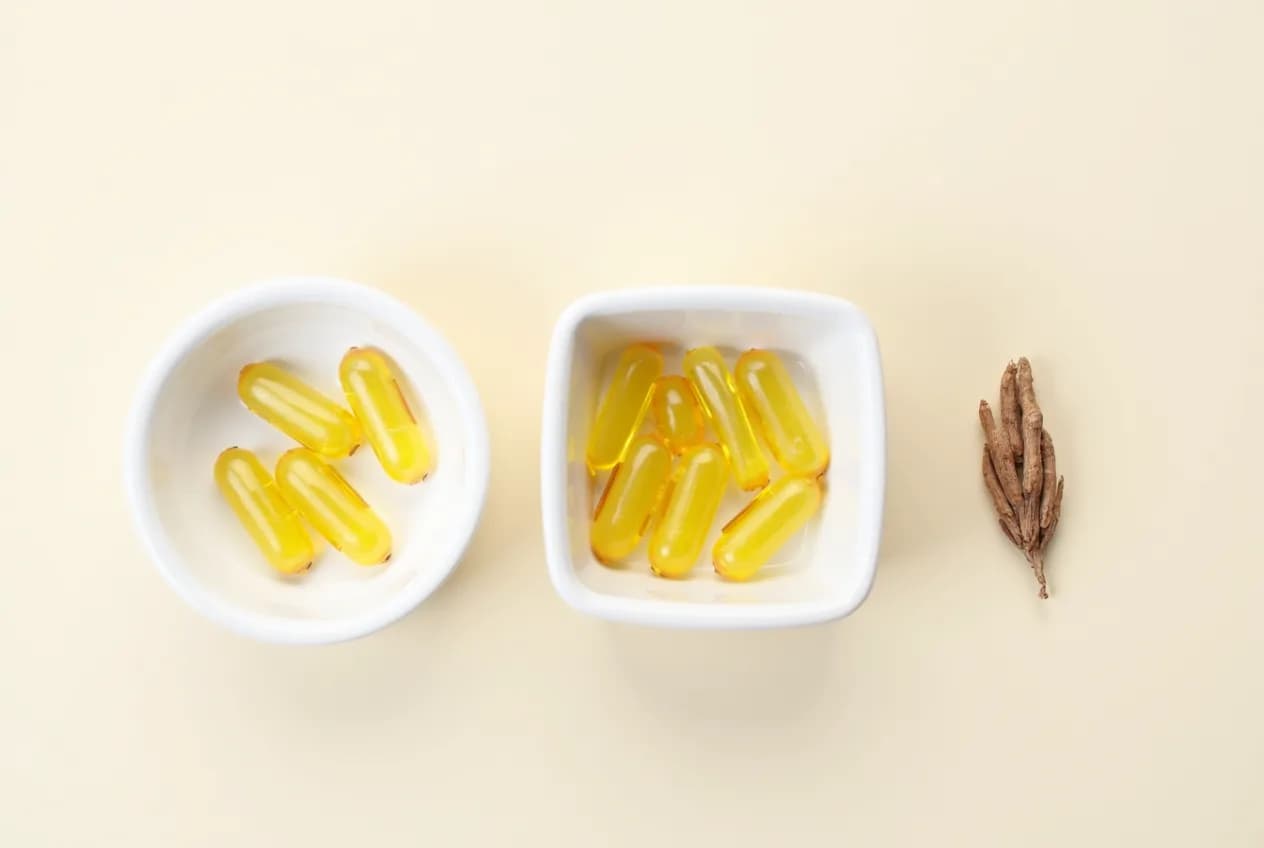
If you've spent time on health social media lately, you've probably seen berberine called "nature's Ozempic" — a cheap, plant-based supplement that supposedly melts fat the way a prescription injection does. It's a tidy story. It's also misleading. Here's the honest, evidence-based version.
The honest verdict, up front
Berberine is not equivalent to Ozempic or any GLP-1 medication. It does not work the same way in the body, and the research does not show it producing comparable weight loss. Calling it "nature's Ozempic" overstates a supplement with modest, mostly metabolic effects.
That doesn't mean berberine is useless. It means the viral framing is wrong. The realistic picture: berberine may offer small, supportive metabolic benefits for some people, but it is not a weight-loss drug, and it carries real safety and drug-interaction caveats worth understanding before you buy a bottle.
What is berberine?
Berberine is a naturally occurring compound (an alkaloid) found in several plants, including goldenseal, barberry, Oregon grape, and a shrub called Coptis chinensis used in traditional Chinese medicine. Today it's sold as a dietary supplement, usually in capsule form.
In the body, berberine appears to activate an enzyme called AMPK, sometimes nicknamed a "metabolic master switch," which influences how cells use energy and handle glucose. That mechanism is genuinely interesting to researchers — but it is not how GLP-1 medications work.
Why berberine is not "nature's Ozempic"
GLP-1-based medications such as semaglutide (Ozempic, Wegovy) and tirzepatide (Mounjaro, Zepbound) are prescription drugs that mimic gut hormones — slowing stomach emptying, signaling fullness to the brain, and curbing appetite. (Tirzepatide also acts on a second gut hormone receptor, GIP.) In clinical trials, that translates into substantial, well-documented weight loss. These are medical treatments, with meaningful side effects and specific approved uses, and whether any of them is appropriate is a decision made with a clinician — not something to source online or borrow from someone else.
Berberine does none of that. It doesn't meaningfully suppress appetite or mimic those gut hormones, and the weight changes seen in studies are small. Berberine and GLP-1 drugs both touch blood sugar, but they do so through different mechanisms — and the size of the effect on weight is in a completely different league.
What the evidence actually shows
Here's where berberine has a more legitimate story. Several randomized controlled trials and meta-analyses suggest berberine may modestly improve certain metabolic markers:
- Blood sugar and insulin sensitivity. Some trials show small reductions in fasting glucose and HbA1c, and improvements in how the body responds to insulin. It has also been studied in people with PCOS, where insulin resistance is common.
- Cholesterol and lipids. Some studies report modest drops in LDL cholesterol and triglycerides.
- Weight. Effects are small — typically a few pounds at most in studies, and in pooled analyses the change in weight or BMI often isn't statistically significant, nothing like the double-digit changes seen with GLP-1 drugs.
Important caveats apply. Many berberine trials are small, short, of variable quality, and conducted in specific populations (such as people with type 2 diabetes or PCOS). Results don't automatically generalize to a healthy person hoping to lose weight, and supplements are never a substitute for evidence-based care for conditions like type 2 diabetes.
Berberine vs. GLP-1 medications at a glance
| Berberine | GLP-1 medications | |
|---|---|---|
| What it is | Plant compound sold as a supplement | Prescription drugs |
| How it works | Activates AMPK; affects glucose metabolism | Mimic gut hormones; reduce appetite, slow digestion |
| Weight effect | Small at best; often not significant | Substantial in trials |
| Regulation | Sold as a supplement; dose and purity vary | FDA-approved, prescribed and monitored |
| Best described as | Possibly supportive for metabolism | A medical treatment, decided with a clinician |
Does berberine work for weight loss?
Realistically: not as a standalone weight-loss strategy. The honest framing is supportive at best, not a weight-loss drug. If berberine helps anyone, it's more likely through its effects on blood sugar and lipids than through dramatic fat loss. Anyone expecting Ozempic-style results from a supplement is likely to be disappointed — and possibly out of pocket for a product that varies widely in quality.
This matters especially for our midlife readers. Weight change around menopause is real and frustrating, and it's tempting to reach for a trendy fix. But it's driven by a mix of hormones, shifting body composition, sleep, and other factors — not a willpower failure, and not something a single capsule resolves. It's also worth knowing that resting metabolism stays fairly stable from your 20s to about 60, then declines slowly after that; it doesn't "crash" in your 30s or 40s.
Safety, side effects, and drug interactions
Berberine is not risk-free, and this is the part the viral posts tend to skip.
- Digestive side effects are common. Diarrhea, cramping, constipation, gas, and stomach upset are frequently reported.
- It can interact with many medications. Berberine affects drug-metabolizing enzymes (including the cytochrome P450 system), which can change blood levels of other drugs. That includes blood thinners, some diabetes medicines (raising the risk of low blood sugar), certain blood-pressure drugs, and more. Combining berberine with these can be genuinely dangerous.
- Not advised in pregnancy or breastfeeding. There are specific safety concerns, and it is generally not recommended.
- Supplement quality varies. Unlike prescription drugs, dose, purity, and actual berberine content can differ from bottle to bottle. You may not be getting what the label claims.
What actually moves the needle
The unglamorous foundations matter far more than any supplement, and they're well supported by evidence:
- A sustainable, nutrient-dense eating pattern — for example, a Mediterranean-style way of eating.
- Regular movement, including strength training — the benefits of exercise reach well beyond weight.
- Sleep and stress management, since poor sleep and chronic stress affect appetite and how the body handles cortisol.
- Treating underlying conditions — an underactive thyroid, PCOS, or other issues deserve real medical evaluation, not a supplement workaround.
Where appropriate, evidence-based medical care — discussed with a clinician — does more than any "natural Ozempic" ever could. If a GLP-1 medication is something you're curious about, that conversation belongs with a clinician, who can weigh your BMI, health history, and the trade-offs; it's not a decision to make from a social-media trend, and it's not safe to use compounded, grey-market, or borrowed versions.
When to seek medical care
Talk to a clinician or pharmacist before taking berberine — especially if you are pregnant, breastfeeding, trying to conceive, or taking any medication, because of the real interaction risk. This is the single most important takeaway.
Also reach out to a healthcare professional if you:
- Have diabetes, heart, liver, or kidney conditions and are considering berberine
- Take blood thinners, diabetes medicines, or blood-pressure drugs
- Are struggling with unexplained weight change, persistent fatigue, or symptoms that worry you
- Want to discuss whether a medical weight-management approach is right for you
Seek urgent care for severe abdominal pain, signs of very low blood sugar (shakiness, confusion, sweating, fainting), or any severe or unexpected reaction. A short conversation with a pharmacist is free, fast, and can catch a dangerous interaction before it happens.