All articles
547 evidence-based articles, checked against primary sources.

Thyroid Health
Thyroid Disease Facts and Statistics
How common is thyroid disease, and how much more often does it affect women? A primary-sourced rundown of hypothyroidism and hyperthyroidism prevalence, the undiagnosed gap, leading causes, and age patterns.
July 6, 2026 4 min

Menopause
Fatigue in Women: Common Causes and Red Flags
Persistent tiredness in women has many possible causes, from poor sleep and perimenopause to iron deficiency, thyroid problems, and sleep apnea. Here are the red flags to act on and the simple blood tests a clinician can order.
July 6, 2026 4 min

Weight & Metabolism
Unexplained Weight Gain in Women: Possible Causes
Weight that rises without a clear change in eating or exercise has many possible explanations, from perimenopause and an underactive thyroid to medications and fluid retention. Here is how to tell what is worth checking, and when the change needs a doctor sooner rather than later.
July 6, 2026 4 min

Gynecologic & Reproductive Health
Breast Pain: Common Causes and When to See a Doctor
Breast pain is extremely common and rarely a sign of cancer. Here are the usual causes — hormonal, perimenopausal, cysts, medications, and muscle or chest-wall pain — plus the warning signs that need prompt evaluation.
July 6, 2026 4 min

Menopause
Questions to Ask Your Doctor About HRT
Most HRT appointments are 10 to 15 minutes. This guide gives you seven question sets to take in — candidacy, type and route, your real numbers, what to expect, follow-up, vaginal symptoms, and cost — plus the red flags in a clinician's answer that mean you should get a second opinion.
July 6, 2026 13 min

Thyroid Health
At-Home Thyroid Tests: What to Look For
Not all at-home thyroid tests are equal. Learn which markers matter (TSH, free T4, free T3, TPO antibodies), why a CLIA-certified lab and physician review count, when a clinician-ordered panel is better, and how thyroid symptoms overlap with menopause.
July 6, 2026 4 min

Menopause
How Much Does Menopause Care Cost? An Honest Breakdown
Honest, broad cost ranges for menopause care across countries and insurance situations — from clinician visits and HRT to testing, telehealth, and supplements — with realistic ways to lower your bill.
July 6, 2026 4 min
Bone Health
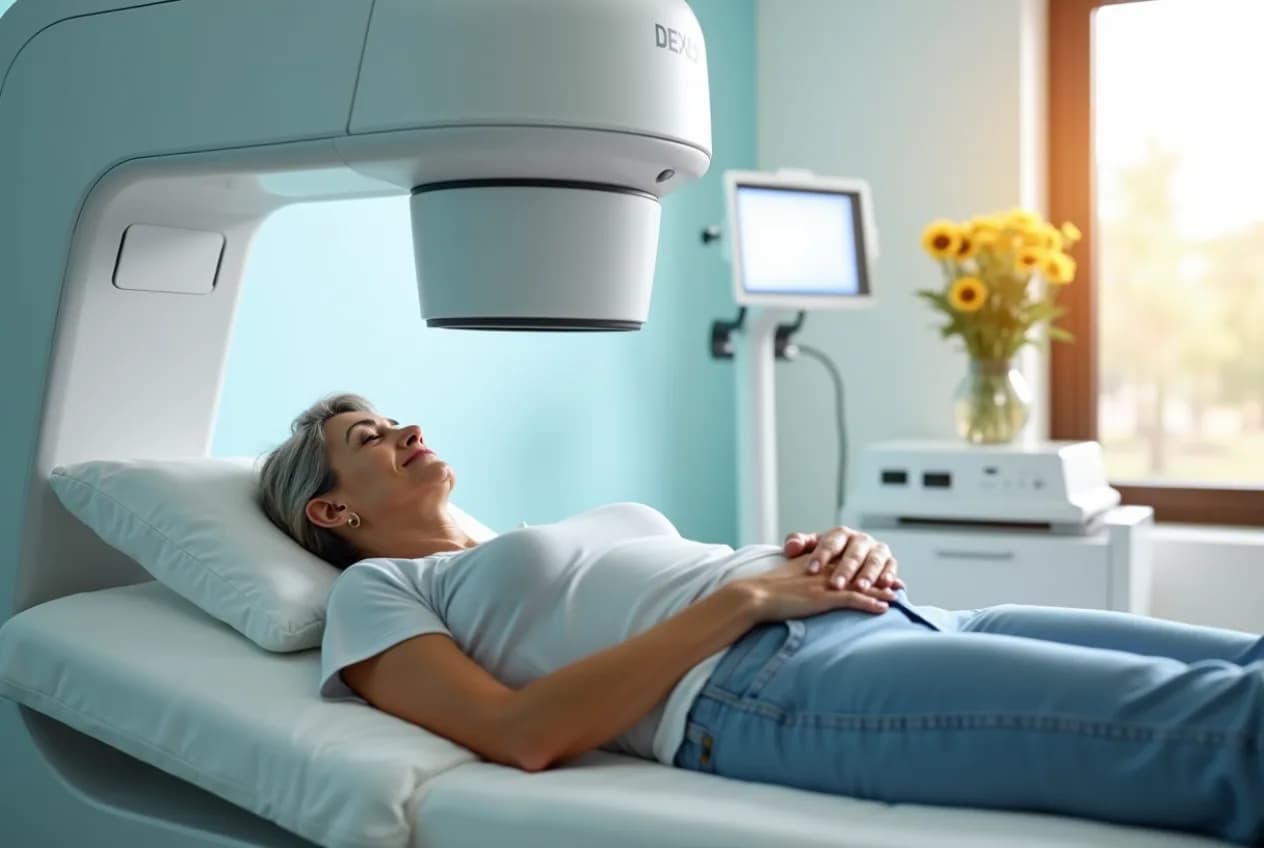
DEXA Scan vs. At-Home Bone Density Tests: What Each Can Tell You
DEXA scans measure bone density at the hip and spine and give a T-score that can diagnose osteoporosis. At-home bone tests measure turnover markers or use heel ultrasound and cannot. Here is how they compare on what they measure, diagnosis, usefulness, and cost.
July 6, 2026 4 min

Menopause
Is Menopause Telehealth Worth It? Costs and Trade-offs
Weigh the real costs and trade-offs of menopause telehealth against in-person and primary care — from subscription and per-visit fees to labs, prescriptions, insurance, and continuity — so you can decide whether online menopause care is worth it for you.
July 6, 2026 4 min

Menopause
At-Home Hormone Tests vs. Your Doctor's Bloodwork
Mail-in kits promise answers about menopause, but after 45 the diagnosis comes from your symptoms, not a hormone level. Here's what at-home tests measure, what they miss, and when clinician-ordered bloodwork is genuinely worth doing.
July 6, 2026 4 min

Menopause
What At-Home Hormone Tests Cost — and What You Actually Get
At-home hormone tests range from about $30 for a single marker to $350 or more for a comprehensive panel, plus monthly subscription options. Here is what each tier includes, what is usually left out, and why the hidden cost of interpretation and follow-up matters more than the sticker price.
July 6, 2026 4 min

Menopause
Estrogen-Only vs. Combined HRT: Which One Do You Need?
Estrogen-only HRT is generally for women who've had a hysterectomy, while those who still have a uterus usually need combined HRT to protect the womb lining. Here's the plain-language difference, and what cyclical vs. continuous means for bleeding.
July 6, 2026 3 min

Menopause
At-Home Hormone Tests: How to Compare Them
This is not a "we tested the kits" ranking and gives no brand scores. It is a plain-language guide to the eight criteria — from which biomarkers are measured to whether a CLIA-certified lab runs your sample — that separate a useful at-home hormone test from a slick label.
July 6, 2026 4 min
Menopause
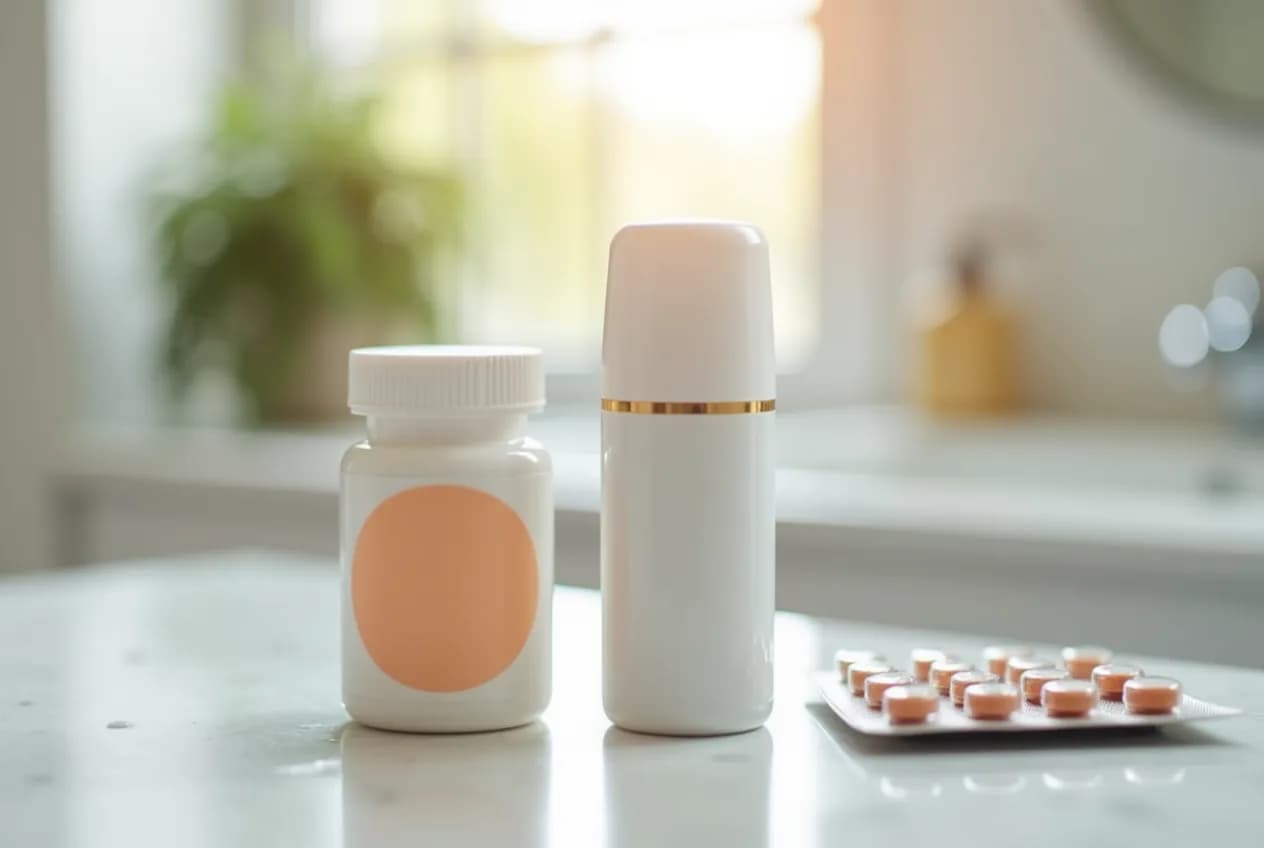
HRT Pills vs. Patches vs. Gels: How to Choose
Pills, patches, and gels or sprays all deliver systemic estrogen for menopause — but they differ in absorption, blood-clot risk, skin reactions, convenience, and cost. Here's how the routes compare and who each tends to suit.
July 6, 2026 4 min

Menopause
HRT vs. Antidepressants for Menopause Symptoms
HRT is the most effective option for menopausal hot flashes, and specific SSRIs and SNRIs are an evidence-based non-hormonal alternative — especially when hormones aren't suitable or depression is also present. A plain-language comparison of both.
July 6, 2026 4 min

Menopause
Fezolinetant (Veozah) vs. HRT for Hot Flashes
Fezolinetant (Veozah) and HRT both calm menopausal hot flashes, but they work differently and address different symptoms. Here's an evidence-based, no-hype comparison to bring to your clinician.
July 6, 2026 4 min

Menopause
FDA Moves to Drop Decades-Old Warnings From Menopause Hormone Therapy: What It Means
In November 2025 the FDA began stripping the boxed warning from menopausal hormone therapy labels, and the first approved label changes landed in February 2026. It is a real regulatory shift — but it is a change to a label, not a change to your body. Here is what the warning said, why it was there, what the evidence actually shows, and what still deserves a careful conversation with a clinician.
July 6, 2026 9 min

Menopause
HRT Myths: Separating the WHI Headlines From the Science
A calm, myth-by-myth look at hormone therapy: what the WHI study really found, how later re-analysis changed the picture, and why suitability is a personal conversation with your clinician.
July 6, 2026 6 min