All articles
547 evidence-based articles, checked against primary sources.

Weight & Metabolism
Retatrutide: What It Is, and Why 'How to Get It' Is Risky
Retatrutide is a triple-hormone-receptor drug in late-stage trials with the strongest obesity weight-loss numbers yet reported — but it is not FDA-approved. Here is what it is, what the data actually show, and why the grey-market "retatrutide" for sale online is unverified and risky.
July 14, 2026 7 min
Weight & Metabolism
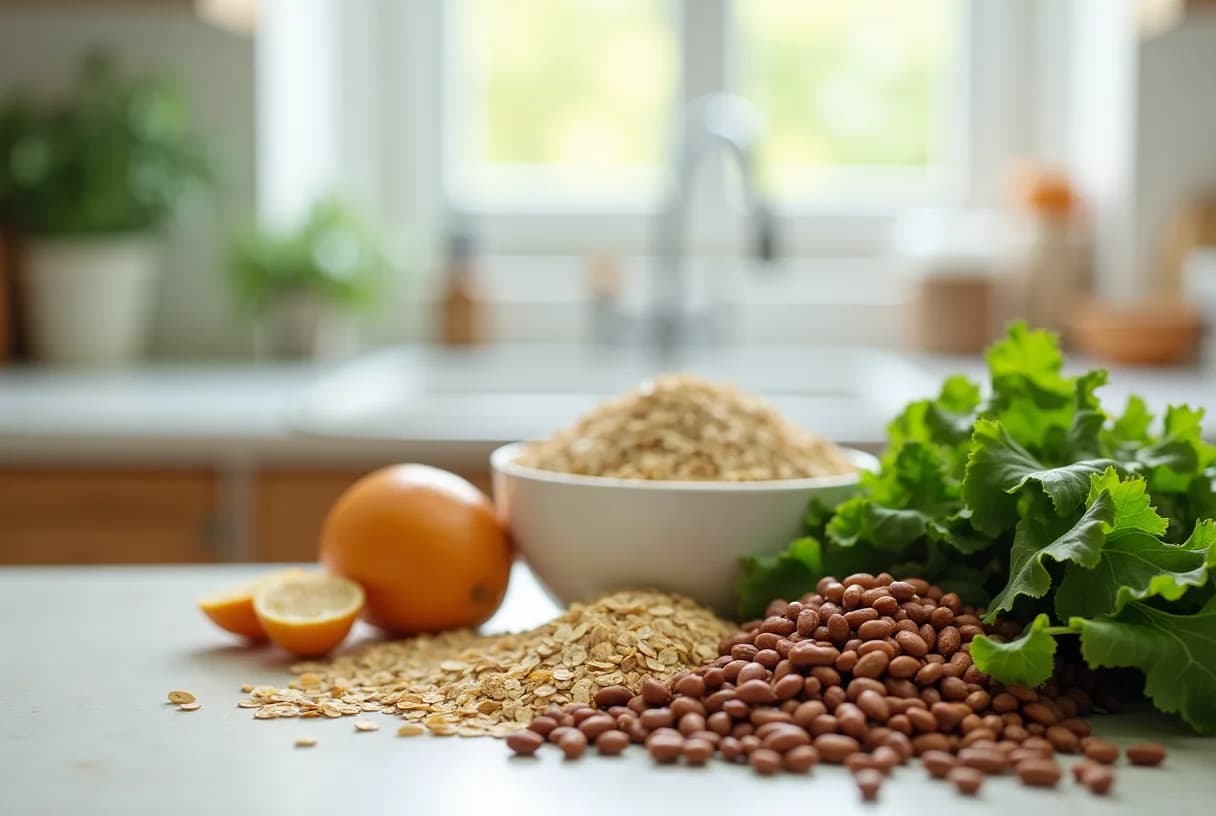
'Natural Ozempic': What Actually Has Evidence, and What's Marketing
"Natural Ozempic" is a marketing phrase, not a pharmacological reality. We grade the popular candidates — berberine, psyllium, protein, oats, apple cider vinegar, and TikTok drinks — by the actual evidence, and explain why grey-market retatrutide and peptides are dangerous.
July 14, 2026 6 min
Nutrition & Diet
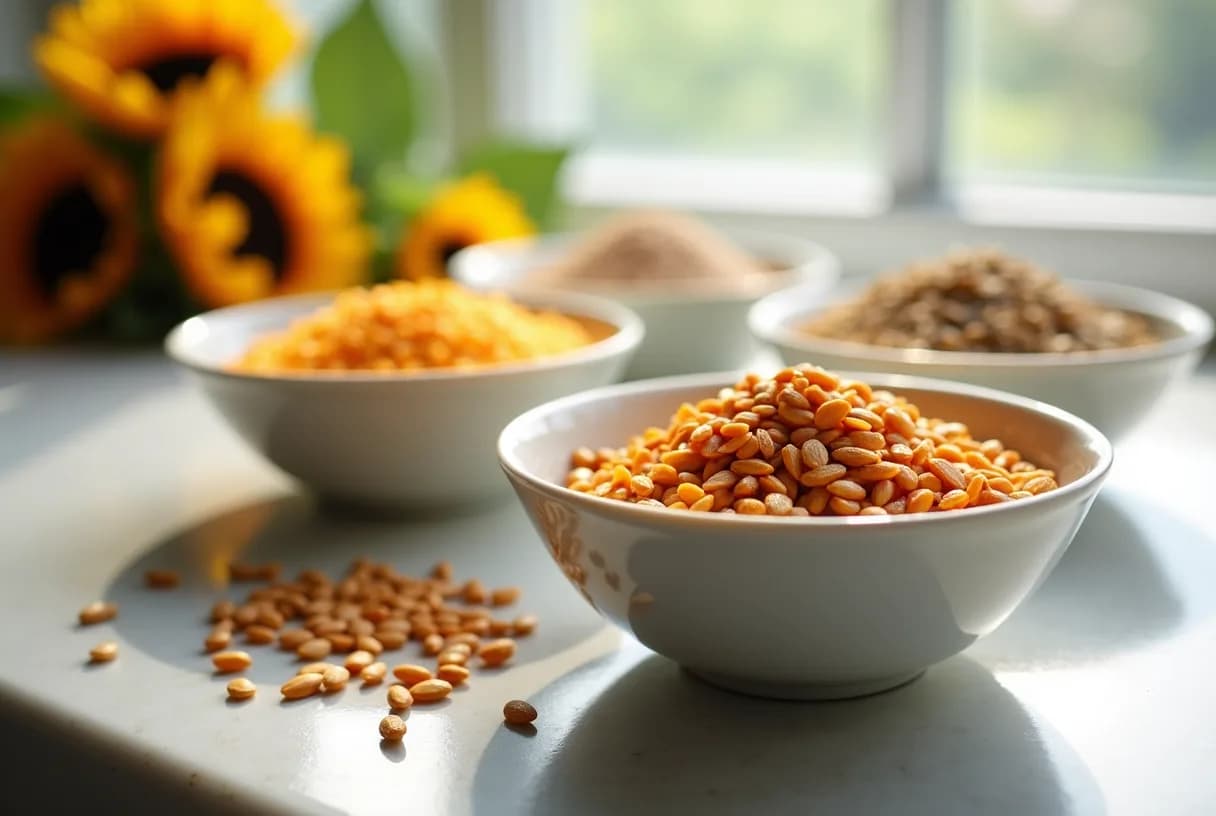
Seed Cycling: Does Eating Seeds Balance Your Hormones?
Seed cycling claims that rotating flax and pumpkin seeds, then sesame and sunflower, "balances" estrogen and progesterone. No clinical trial has ever shown that. Here's the real physiology, why it feels like it works, and how to use the seeds for what they genuinely offer.
July 14, 2026 6 min
Menopause
Estradiol Levels by Age: What's Normal and What Isn't
Estradiol swings hugely across the menstrual cycle and week to week in perimenopause, so one number is a snapshot, not a diagnosis. Here are typical E2 ranges by life stage, why labs disagree, and the specific situations where the test genuinely helps.
July 14, 2026 6 min

Gynecologic & Reproductive Health
Normal Testosterone Levels in Women: Reference Ranges by Age
A lab-decode guide to female testosterone: reference ranges for total and free T, the gradual age-related decline (no menopausal cliff), what a high result usually means, and the honest truth that there is no "low T" diagnosis for women.
July 14, 2026 7 min

Menopause
FSH Levels and Menopause: Why the Test Often Misleads
A high FSH is associated with menopause, but a single test can read "menopausal" one cycle and normal the next. ACOG, The Menopause Society and NICE all diagnose perimenopause clinically over age 45 — not by FSH. Here's the honest breakdown of when the test is worth it.
July 14, 2026 6 min

Weight & Metabolism
Do GLP-1 Patches Work? The Honest Answer Is No
GLP-1 patches don't work — semaglutide and tirzepatide are peptides roughly ten times too large to cross intact skin, and there is no FDA-approved GLP-1 patch. We explain the science plainly, show the red flags on gummies, drops, and nasal versions, and route you to what actually helps.
July 14, 2026 7 min

Weight & Metabolism
Peptides for Weight Loss: A Safety Guide to a Grey Market
A honest map of the weight-loss peptide landscape: which compounds are FDA-approved and evidence-backed, which are unproven or sold outside the medical system, and why "research use only" powders you mix yourself are dangerous. No doses, no sourcing — just how to stay safe and reach the legitimate path.
July 14, 2026 7 min

Weight & Metabolism
Oral Semaglutide: The Pill Versions, Honestly Compared
Semaglutide comes as an injection and, now, two different pills — Rybelsus for diabetes and a higher-dose oral Wegovy for weight loss. Here's what the trials actually show, the strict empty-stomach rule most people miss, and how to think about it honestly.
July 14, 2026 6 min

Periods & Menstrual Health
The Follicular Phase: The Half of Your Cycle That Varies
The follicular phase runs from day 1 of bleeding to ovulation, and it is the part of the cycle that stretches and shrinks. A 35-day cycle is not a long luteal phase — it is late ovulation. In perimenopause the same phase often shortens, which is why cycles start arriving closer together in your early forties.
July 13, 2026 11 min
Periods & Menstrual Health
Luteinizing Hormone (LH): What It Does and What Your Level Means
Luteinizing hormone is released by the pituitary gland and, in a sharp mid-cycle surge, triggers ovulation about 24–36 hours later. Because LH swings enormously across the cycle — and even more in perimenopause — a single result is close to meaningless without knowing the day it was drawn. This guide explains the mechanism, the reference ranges, what high and low LH actually mean, and when a test is worth paying for.
July 13, 2026 13 min

Periods & Menstrual Health
The Luteal Phase: What It Is and Why It Runs Your Month
The luteal phase runs from ovulation to your next period. Its length is close to fixed — the most useful fact about the cycle that almost nobody tells you. Here's the progesterone machinery, the symptoms it explains, and why perimenopause dismantles this phase first.
July 13, 2026 12 min
Vaginal Health
Cervical Mucus: What It Tells You, Through Life
Cervical mucus is a hydrogel secreted by crypts in the cervical canal, and estrogen controls how much water is in it. That single fact explains the whole cycle — dry, sticky, creamy, watery, egg-white — and it also explains why the pattern becomes unreadable in perimenopause and disappears after menopause.
July 13, 2026 9 min

Periods & Menstrual Health
How Long Should a Period Last? The Honest Ranges
Most guides give you a number and stop. This one explains why bleeding lasts as long as it does — the progesterone withdrawal that starts it, the estradiol-driven repair that ends it — then covers both tails honestly: prolonged bleeding (fibroids, adenomyosis, polyps, undiagnosed von Willebrand disease, thyroid disease, perimenopausal anovulation) and very short or light bleeding. Includes a practical yardstick for "heavy," why ferritin falls before haemoglobin, and the one line that must never be blurred at midlife: erratic is expected, heavy is not something to endure.
July 13, 2026 12 min
Weight & Metabolism
The Galveston Diet: An Honest Review
The Galveston Diet is built on three pillars: a 16:8 fasting window, "anti-inflammatory" whole-food eating, and a macro shift toward fat and protein. We grade each one against the evidence — because they are not equally strong, and knowing which is which is the only useful thing you can do with the programme.
July 13, 2026 10 min

Periods & Menstrual Health
Period Flu: Why You Feel Ill Before Your Period
"Period flu" is not a diagnosis and not an infection, but the symptoms are real and measurable. Prostaglandins released as the uterus sheds its lining enter the bloodstream and act on smooth muscle and blood vessels body-wide; at the same time estrogen and progesterone fall sharply. Here is the mechanism behind each symptom, what genuinely helps, why it intensifies in perimenopause, and what a real fever means.
July 13, 2026 9 min

Periods & Menstrual Health
Period Fatigue: Why You're So Tired — and When It's Not Normal
Period fatigue is not "your body working hard." It's a late-luteal estrogen and progesterone drop that disrupts serotonin and sleep architecture, prostaglandins that produce genuine systemic malaise, and — most importantly — iron loss that shows up in ferritin long before haemoglobin. Here's the differential, the tests worth asking for, and why "your blood count was normal" doesn't rule out iron deficiency.
July 13, 2026 8 min

Periods & Menstrual Health
Lower Back Pain With Your Period: Why It Happens
Period back pain is referred pain: uterine nerves and lower-back nerves enter the spinal cord at the same levels, so prostaglandin-driven uterine contractions are genuinely felt in the back. We explain the wiring, give you a table to tell it apart from musculoskeletal pain, and name the three conditions — endometriosis, adenomyosis, fibroids — that make this symptom worth investigating rather than enduring.
July 13, 2026 10 min