All articles
547 evidence-based articles, checked against primary sources.

Gynecologic & Reproductive Health
Uterine Polyps: Symptoms, Risk and What Happens Next
Most uterine polyps are benign, but the odds change with menopausal status and bleeding. A clear, honest guide to symptoms, cancer risk, scans, hysteroscopic removal, recovery and recurrence — written for women at midlife.
July 12, 2026 10 min

Menopause
Tinnitus and Menopause: Is There a Link?
Tinnitus becomes more common in the 40s and 50s, the same years perimenopause arrives. The honest answer is that a direct hormonal cause is unproven. But the plausible routes — poor sleep, anxiety, and the quiet start of age-related hearing loss — are real, and one of them is treatable. This guide separates what has evidence from what does not, and names the red flags that need same-week (or same-day) assessment.
July 12, 2026 9 min

Menopause
Bleeding After Menopause: Why It Always Needs Checking
Any vaginal bleeding 12 or more months after your final period is never normal — not a spot, not once, not "just a bit of pink." Most of the time the cause is harmless, but about 9-10% of women with postmenopausal bleeding have endometrial cancer, which is highly curable when caught early. Here is what causes it, what the workup actually involves, and what to say if you're brushed off.
July 12, 2026 8 min

Gynecologic & Reproductive Health
Endometrial Cancer: The Signs Women Miss
Endometrial cancer announces itself early in most women — usually with bleeding. About 90% of cases present with abnormal or postmenopausal bleeding, and when it is found while still confined to the uterus, five-year survival is around 95%. The problem is that bleeding at midlife gets explained away — by women and by clinicians. This guide separates the bleeding patterns that need a same-week appointment from the ones that are ordinary perimenopausal chaos, lists the risk factors that actually matter (obesity is the biggest modifiable one), and corrects the single most dangerous misconception in gynaecology: a Pap smear does not screen for endometrial cancer.
July 12, 2026 10 min
Gynecologic & Reproductive Health
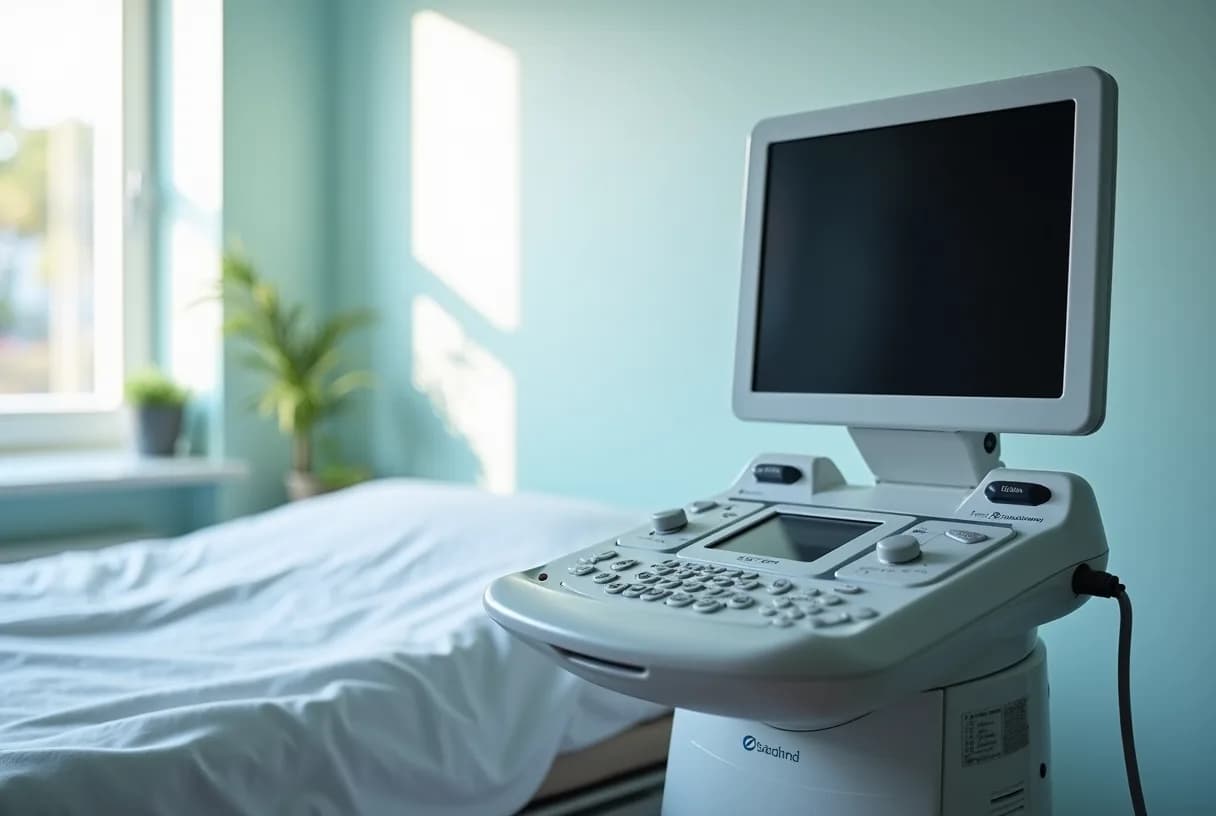
Transvaginal Ultrasound: What It Shows and What It Can't
A transvaginal ultrasound is a detailed look at the uterus, endometrium and ovaries using a slim probe placed in the vagina. It's excellent at measuring the womb lining and spotting fibroids and cysts — and poor at ruling out endometriosis or finding early ovarian cancer. Here's what it can answer, what it can't, and the one caveat that matters most after menopause.
July 12, 2026 9 min

Vaginal Health
Brown Discharge: What It Means at Every Age
Brown discharge is blood that left the uterus slowly and oxidised on the way out. In your 20s, 30s and 40s that is usually unremarkable. After your final period, it is postmenopausal bleeding by another name — and it always needs to be checked.
July 12, 2026 10 min

Vaginal Health
Watery Discharge: When It's Normal and When It's Not
Most watery vaginal discharge is normal — ovulation, arousal, exercise and pregnancy all thin it out. The exception matters enormously: a new, persistent watery discharge after menopause can be an early sign of endometrial disease, including cancer, and should be evaluated even without visible blood. Here is how to tell the two apart by context.
July 12, 2026 8 min

Menopause
Burning Mouth Syndrome: The Menopause Symptom No One Warns You About
A persistent burning or scalded feeling on the tongue, lips or palate — in a mouth that looks entirely normal — is burning mouth syndrome. It is disproportionately common in midlife women and routinely dismissed. Before anyone calls it "primary", several correctable causes need excluding: iron, B12 or folate deficiency, thrush, dry mouth, diabetes, reflux, SLS toothpaste and certain blood-pressure drugs.
July 12, 2026 9 min

Menopause
Dry Eyes and Menopause: Why It Happens and What Helps
Dry eye becomes markedly more common in women after menopause because the glands that build the tear film — especially the oil-producing meibomian glands in the eyelids — depend on hormones, particularly androgens, which decline steadily through midlife. Most midlife dry eye is evaporative, not "not enough tears," which changes what actually works. And unlike vaginal dryness, ocular dryness does not reliably improve on hormone therapy — some large data suggest it may get worse.
July 12, 2026 11 min

Menopause
Why Your Body Odor Changes in Menopause
Body odor comes from skin bacteria digesting the protein- and lipid-rich sweat of the apocrine glands — not the watery sweat that cools you. Menopause changes the volume of sweat, the surface of the skin and the bacteria living on it, so the smell can genuinely change. Here is what to do about it, what the aluminium evidence really says, and which new odors need a doctor.
July 12, 2026 12 min

Menopause
Electric Shock Sensations in Menopause: Why They Happen and When to Worry
Electric shock sensations in perimenopause are brief, painless-to-startling jolts — like a rubber band snapping under the skin — often felt in the head, scalp or neck moments before a hot flush arrives. The leading explanation links them to the same nervous-system misfire that triggers the flush, but this is a hypothesis, not settled science. Here is what the sensation is, what else it can be (B12 deficiency, a pinched cervical nerve, trigeminal neuralgia, MS, panic), what helps, and the neurological red flags that mean you should be seen promptly.
July 12, 2026 8 min

Gynecologic & Reproductive Health
Endometrial Biopsy: What to Expect, Honestly
Women are routinely told an endometrial biopsy is "a bit crampy" and are then blindsided. This is the honest guide: the step-by-step procedure, why the pain is under-acknowledged, what genuinely helps (and what to ask for before you agree), what is normal afterwards, and how to read every possible result — including the common "insufficient sample," which leaves your question unanswered.
July 12, 2026 10 min

Menopause
Bleeding on HRT: What's Expected and What Isn't
Whether bleeding on hormone therapy is expected depends almost entirely on which regimen you're taking. Here's how to tell a designed withdrawal bleed from settling-in spotting from bleeding that needs a camera or a biopsy — and the six-month rule that separates them.
July 12, 2026 10 min

Vaginal Health
White Discharge: What's Normal and What's Yeast
White or creamy discharge is one of the most common things women search for — and one of the most over-treated. Most white discharge is healthy. Yeast has a signature: thick, clumpy, and above all itchy. And at midlife, a third possibility gets missed for years.
July 12, 2026 9 min

Menopause
Crawling Skin (Formication) in Menopause: Why It Happens and What Helps
Formication — the sensation of ants or insects crawling on or under the skin when nothing is there — is an uncommon but genuine menopause symptom that is routinely dismissed. We explain the likely nerve mechanism, the non-hormonal causes you must not miss (B12, iron, thyroid, diabetes, shingles, alcohol, medications), what actually eases it, and exactly when to be seen.
July 12, 2026 10 min

Heart Health
Foods That Lower Cholesterol (and What Actually Raises HDL)
Oats, beans, nuts, plant sterols, psyllium and olive oil each lower LDL by roughly 3–10% — and stack to 10–20% together. Here is the mechanism behind each, the amount actually tested, what raises HDL (and why HDL-raising supplements failed), and why LDL climbs at menopause.
July 12, 2026 10 min
Bladder & Urinary Health
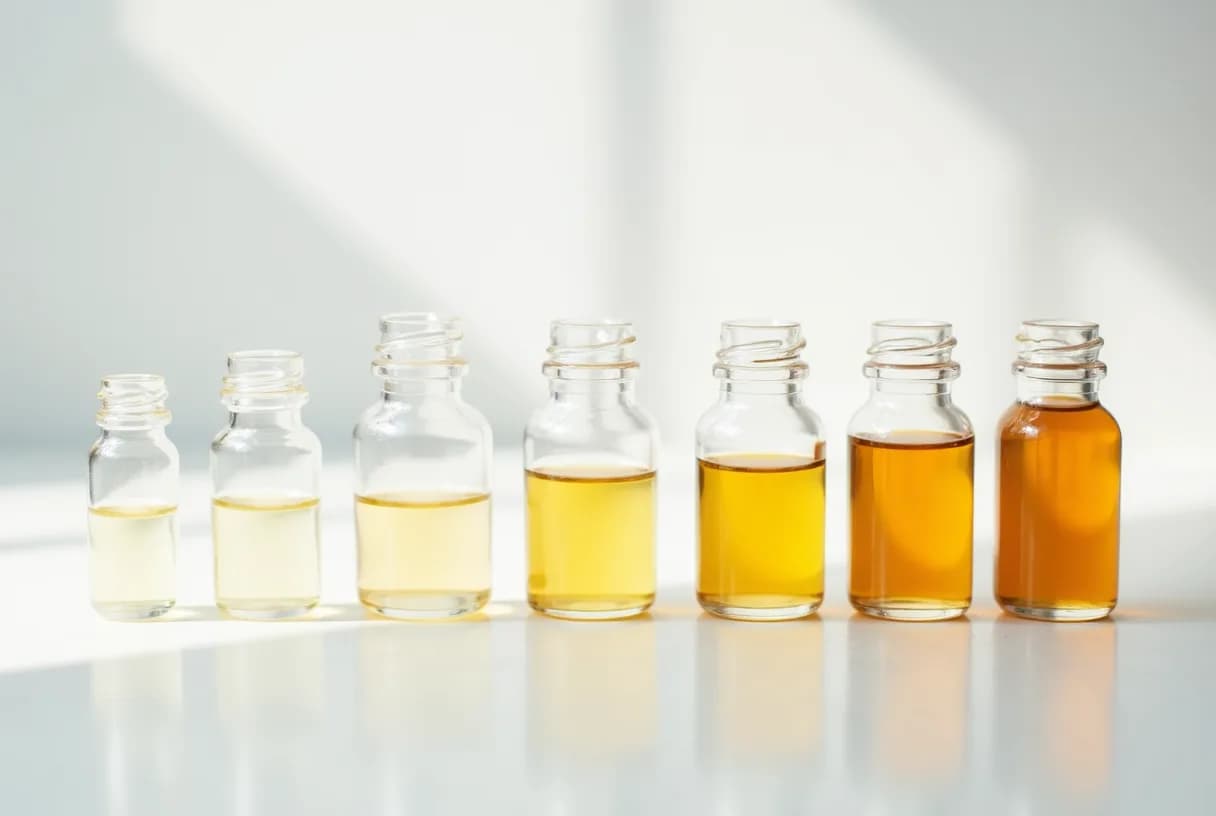
Urine Color Chart: What the Color of Your Pee Means
Pale straw to light yellow is the normal range. Dark amber usually means you need fluids; water-clear often means you are drinking more than you need. But color is a rough hydration gauge, not a diagnosis — and pink, red, or cola-colored urine needs evaluation even if it is painless and happens only once.
July 12, 2026 11 min

Bladder & Urinary Health
Why Does My Urine Smell? A Smell-by-Smell Guide
Urine odor is mostly a story about concentration, food and supplements — but a sweet or fruity smell can mean sugar or ketones are spilling over, and a foul smell with burning or fever can mean infection. A smell-by-smell decoder, with honest limits on what odor can and cannot tell you.
July 12, 2026 11 min