All articles
547 evidence-based articles, checked against primary sources.
Supplements
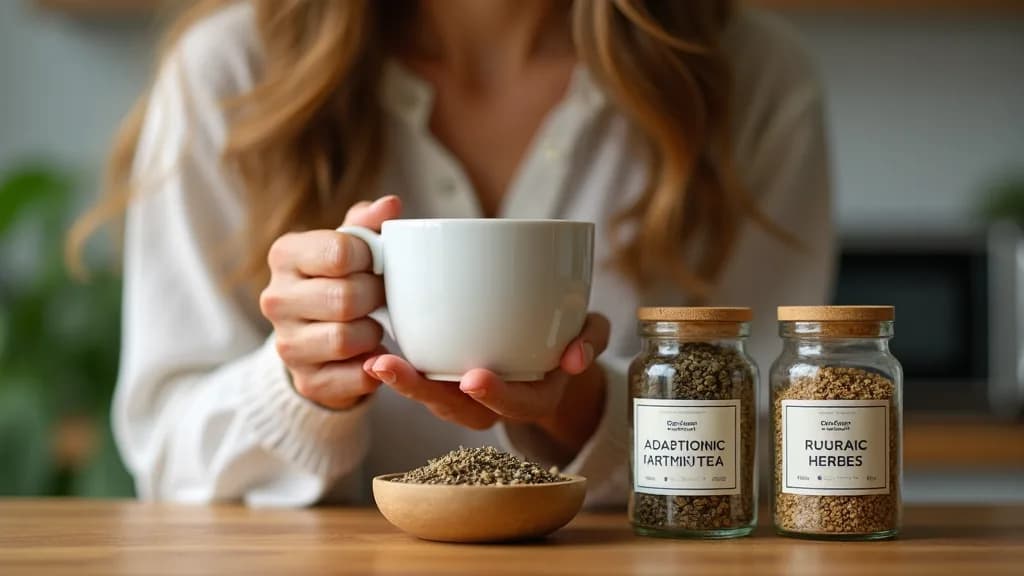
Adaptogens for Women: Do They Really Help With Stress?
Adaptogens are herbs marketed to help your body "resist stress." The evidence is strongest — though still modest — for ashwagandha and short-term stress and sleep. Here is an honest hype-check plus the quality and safety caveats women should know.
July 3, 2026 7 min
Fitness
Walking for Weight Loss: Does It Really Work?
Walking burns calories, steadies blood sugar, lifts mood, and is easy to stick with, but weight loss still hinges on overall energy balance. Here's how to walk smarter and pair it with diet and strength work.
July 3, 2026 6 min

Skin & Hair
Menopause Acne: Why Adult Breakouts Happen and How to Treat It
Acne in perimenopause and menopause is common and treatable. Learn why breakouts return as estrogen falls, how hormonal acne differs from teenage acne, and the evidence-based options — from gentle skincare and retinoids to clinician-managed prescriptions.
July 3, 2026 6 min

Supplements
Vitamin B12 for Women: Deficiency Signs, Sources, and Supplements
Vitamin B12 keeps your nerves, blood cells, and energy metabolism working. Here is who is at risk of running low, the symptoms worth taking seriously, and how deficiency is properly diagnosed and treated.
July 3, 2026 7 min
Supplements
Probiotics for Women: What They Do and When They Help
Probiotics are live microbes marketed for nearly everything, but the evidence is strain-specific and uneven. Here's where they may genuinely help women, where the hype outruns the science, and how food compares with supplements.
July 3, 2026 6 min
Supplements
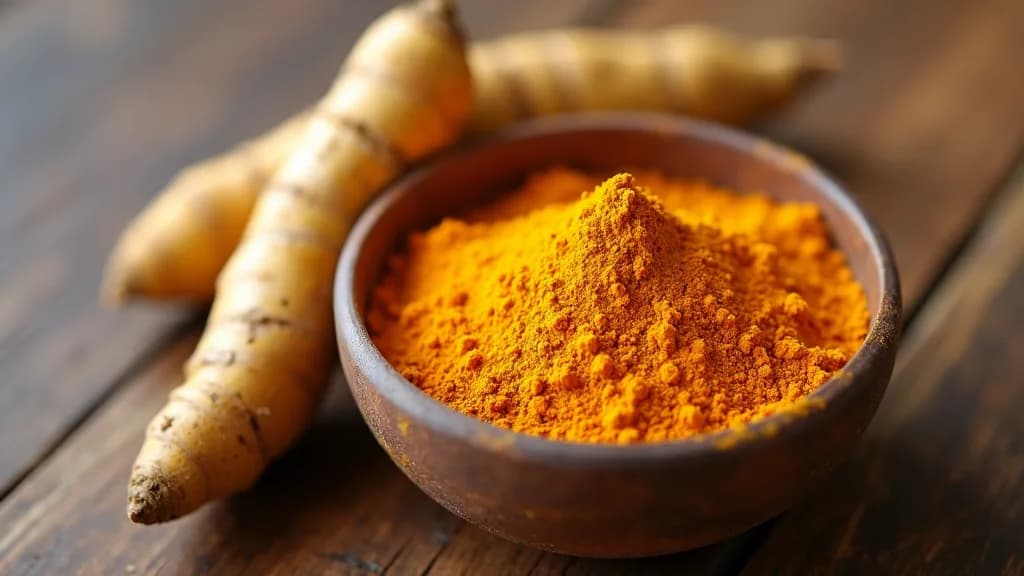
Turmeric and Curcumin: Benefits, Evidence, and Cautions
Turmeric is a kitchen spice; curcumin is its most-studied active compound. The evidence for joint and inflammation support is promising but modest, and absorption is a real obstacle. Here is an honest read of the science and the safety cautions that matter.
July 3, 2026 6 min
Vaginal Health
Painful Sex After Menopause: Causes and What Helps
Painful sex after menopause usually comes from thinning, drier vaginal tissue as estrogen falls, part of genitourinary syndrome of menopause. It is common and treatable. Here is what actually helps and when to see a clinician.
July 3, 2026 7 min

Weight & Metabolism
Intermittent Fasting for Women: Benefits, Risks, and How to Start
Intermittent fasting can modestly help weight and some metabolic markers, but women's bodies may respond differently to prolonged fasts. Here's what the protocols involve, what the evidence really shows, who should avoid it, and how to start gently.
July 3, 2026 7 min
Sleep
Melatonin for Women: Does It Work, and How to Use It Safely
Melatonin works best for a body clock that is out of sync — jet lag, late sleep timing, shift work — and less reliably for everyday insomnia. Learn realistic expectations, low-dose-first guidance, timing, and the safety cautions that matter in midlife and menopause.
July 3, 2026 5 min
Nutrition & Diet
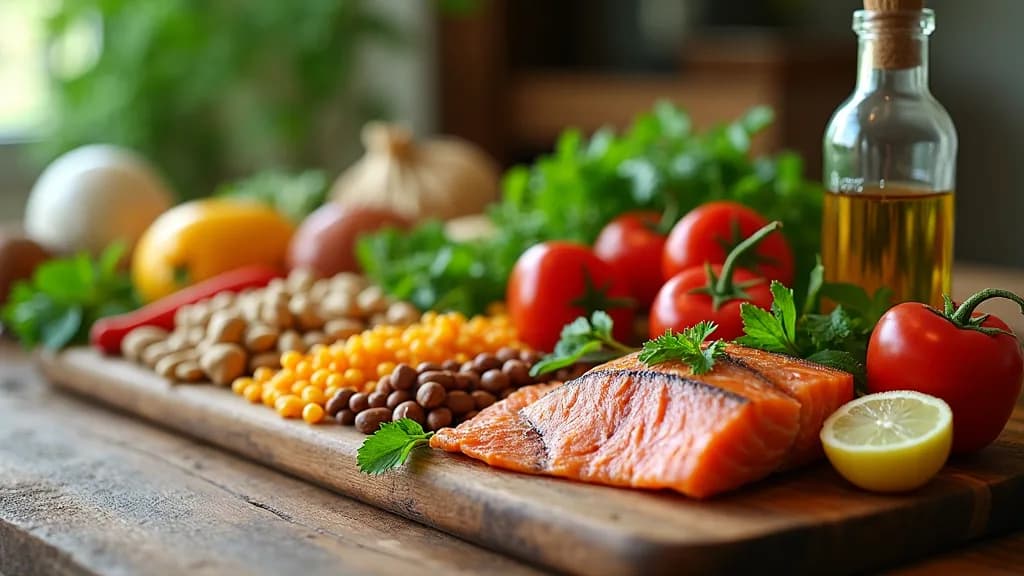
The Anti-Inflammatory Diet: What It Is and What the Evidence Says
An anti-inflammatory diet is a whole-foods, largely Mediterranean-style pattern of vegetables, fruit, whole grains, legumes, fish and olive oil, with less ultra-processed food and added sugar. It supports long-term health but does not cure any disease.
July 3, 2026 6 min
Nutrition & Diet
High-Protein Diet for Women: How Much You Really Need
A plain-English guide to protein for women in midlife: how much you need in grams and per kilogram, why muscle and bone raise the stakes after menopause, the best animal and plant sources, and where the "high-protein is dangerous" worries do and don't apply.
July 3, 2026 6 min
Sleep
Best Supplements for Sleep: What Actually Helps (Evidence-Ranked)
Melatonin helps most with circadian timing and jet lag, and only modestly with insomnia. Magnesium, glycine, L-theanine and valerian have weaker evidence. Here is what each one can and cannot do, plus the safety points that matter in midlife.
July 3, 2026 6 min
Supplements
Black Cohosh for Menopause: Does It Help Hot Flashes?
Black cohosh is one of the most popular herbal remedies for menopausal hot flashes, but trial results are inconsistent and the benefit, if any, appears modest. Here's an honest look at the evidence, how it's typically used, and the safety points that matter most.
July 3, 2026 6 min

Weight & Metabolism
GLP-1 Drugs and Muscle Loss: What to Know and How to Protect Muscle
When you lose weight quickly on a GLP-1 medication, some of what you lose is muscle. For women in midlife, that has real consequences for metabolism, strength, and bone. This guide explains the evidence and the two strategies most worth discussing with your care team.
July 3, 2026 6 min

Mental Health
Depression in Women: Signs, Hormonal Triggers, and Getting Help
Depression affects roughly twice as many women as men, and certain reproductive windows raise the risk. Learn the signs, the hormone-linked triggers behind PMDD, postpartum, and perimenopausal depression, and how therapy, medication, and daily habits fit together.
July 3, 2026 6 min
Mental Health
Perimenopause Anxiety: Why It Happens and What Helps
Anxiety and panic often spike in perimenopause as estrogen fluctuates and disrupts the brain's mood and stress systems. Learn why it happens, how it differs from lifelong anxiety, and what genuinely helps — from lifestyle and CBT to the HRT and medication conversations with your clinician.
July 3, 2026 6 min

Bladder & Urinary Health
Pelvic Floor Exercises for Women: How to Do Kegels Right
Kegels can meaningfully reduce bladder leaks when done correctly and consistently — but they are not right for everyone. Here's how to locate the muscles, train them, set realistic timelines, and recognize the signs you need a clinician instead.
July 3, 2026 6 min
Vaginal Health
Boric Acid Suppositories for BV and Yeast: Do They Work?
Vaginal boric acid can help with non-albicans yeast infections and recurrent BV — but as an adjunct, not a first-line cure. Here's the evidence, the sensible use, and the critical safety limits.
July 3, 2026 6 min